Addressing stigma in mental health: A doctor’s role
This article explores how doctors play a vital role in recognizing emotional distress, normalizing conversations on mental health and guiding patients from silent suffering toward support, healing and dignity.
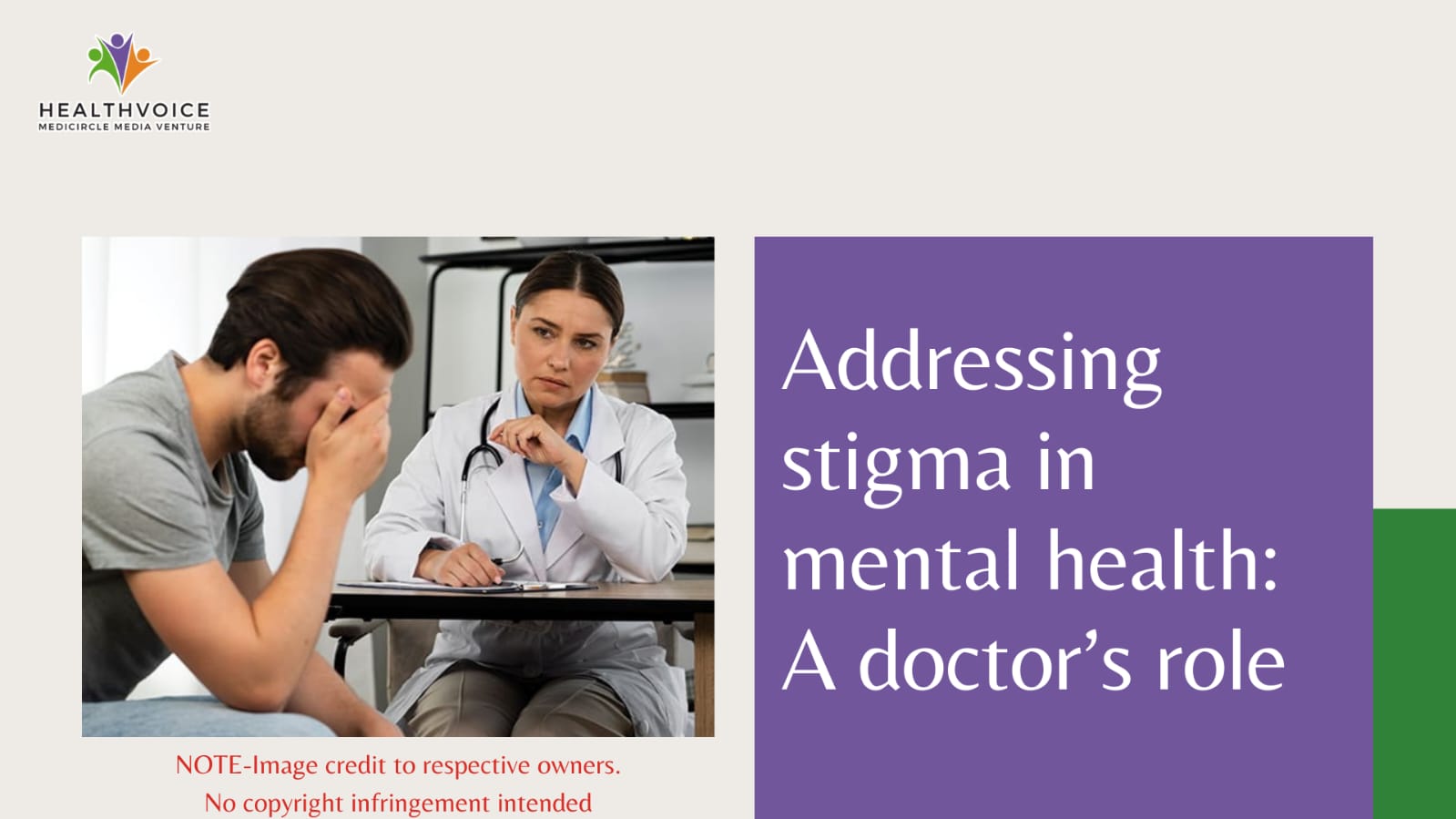
We notice it first in small ways. The joy that used to come easily now feels out of reach. A constant worry sits heavy in the chest, making even daily chores seem difficult. Sleep does not refresh like it once did. In a country as lively and connected as India, feeling this way can be incredibly isolating. There is a fear of what people will say, of being thought less of, of that label weak. So people stay quiet. Many end up in a doctor's clinic, speaking of headaches, poor sleep or low energy. These are real symptoms, but they are often the body's way of expressing a deeper, unspoken distress. Here, a doctor has a unique opportunity. They can be the first to listen, truly listen and begin to dissolve the shame that surrounds mental health.
Understanding the quiet stigma:
The stigma is not always loud rejection. In our homes and communities, it often wears a gentle mask. It is the advice to be strong or focus on your duties. It is the inner voice that whispers, what will people think if I seek help? This hesitation has a cost. It means people suffer for years, treating surface problems while the core issue grows. They feel alone, convinced no one could understand. In the doctor's office, they talk about their backache at length, but the ache in their heart remains a secret.
Building a bridge:
Doctors hold a position of deep trust in Indian society. This trust is the foundation for change. When a family physician or specialist offers a space free of judgement, they do something powerful. They build a bridge. This connection lets a patient move from lonely suffering toward help and hope. Fighting stigma here is not about dramatic acts. It is found in quiet, human moments.
It starts with listening differently. A good doctor hears the words, but also notices what is not said, the sigh, the tired eyes, the way a patient dismisses their own feelings. A simple, kind question can open a door: This pain must be wearing you down. How are you coping with it all? Or sometimes when stress builds up, it affects our mood. Have you noticed that? This approach does something vital. It tells the patient that what they feel matters. Their mind's health is as important as their body's.
Real life application:
For a health platform like Healthvoice.in, this approach is at the heart of true wellness, caring for the whole person. So how a doctor can put this into practice?
Start by making it normal. Just like checking temperature or blood sugar, asking a few questions about stress or low mood should be routine. It sends a clear message that talking about your mental state is a standard part of healthcare, not a special, awkward topic.
Next, choose words with care. Medical terms can feel cold and frightening. Simple, understanding language heals. A doctor saying, given everything you are managing, it is completely normal to feel this strain. Your body and mind are connected, can lift a huge burden. It frames the struggle as a health issue, not a personal failing.
Finally, light the path forward. The idea of seeing a counsellor can seem daunting. A doctor can gently explain the process, comparing it to visiting any other specialist for expert care. They can reduce fear by normalizing the next step. They might also suggest trusted resources for reliable information, pointing patients toward credible sources like Healthvoice.in or local support networks.
Change that spreads:
This compassion does not stay in the clinic. When a person feels seen and validated by their doctor, they carry that strength home. They start to treat their own feelings with more kindness. This can slowly change conversations within their family. A brother, a mother, a friend might start to think differently because someone they know sought help. In this way, the doctor becomes a quiet advocate for wider change, one patient at a time.
Breaking down the walls of stigma needs everyone's effort, families, friends and society at large. But perhaps the most crucial conversations start in the quiet of a doctor's room. It is in that space of trust that stigma meets it’s simplest and strongest cure: human connection. By looking past the obvious symptom to the person within, a doctor does profound work. They offer more than treatment; they restore hope and dignity. This belief, that health is incomplete without mental wellbeing and that every person's voice deserves to be heard, is what guides the mission at Healthvoice.in. It is a belief in healing that leaves no one behind.
 Team Healthvoice
#mentalhealth #mentalhealthawareness #mentalhealthmatters #mentalwellness #mentalhealthsupport #selfcare #selflove #wellness #therapy #healing #mindfulness #support #positivity #youarenotalone #endthestigma #healthvoice