The future of medical education in India
India’s rapid expansion of medical colleges has increased capacity, but the true challenge now is ensuring quality training that blends clinical skill, technology literacy and humanistic care.
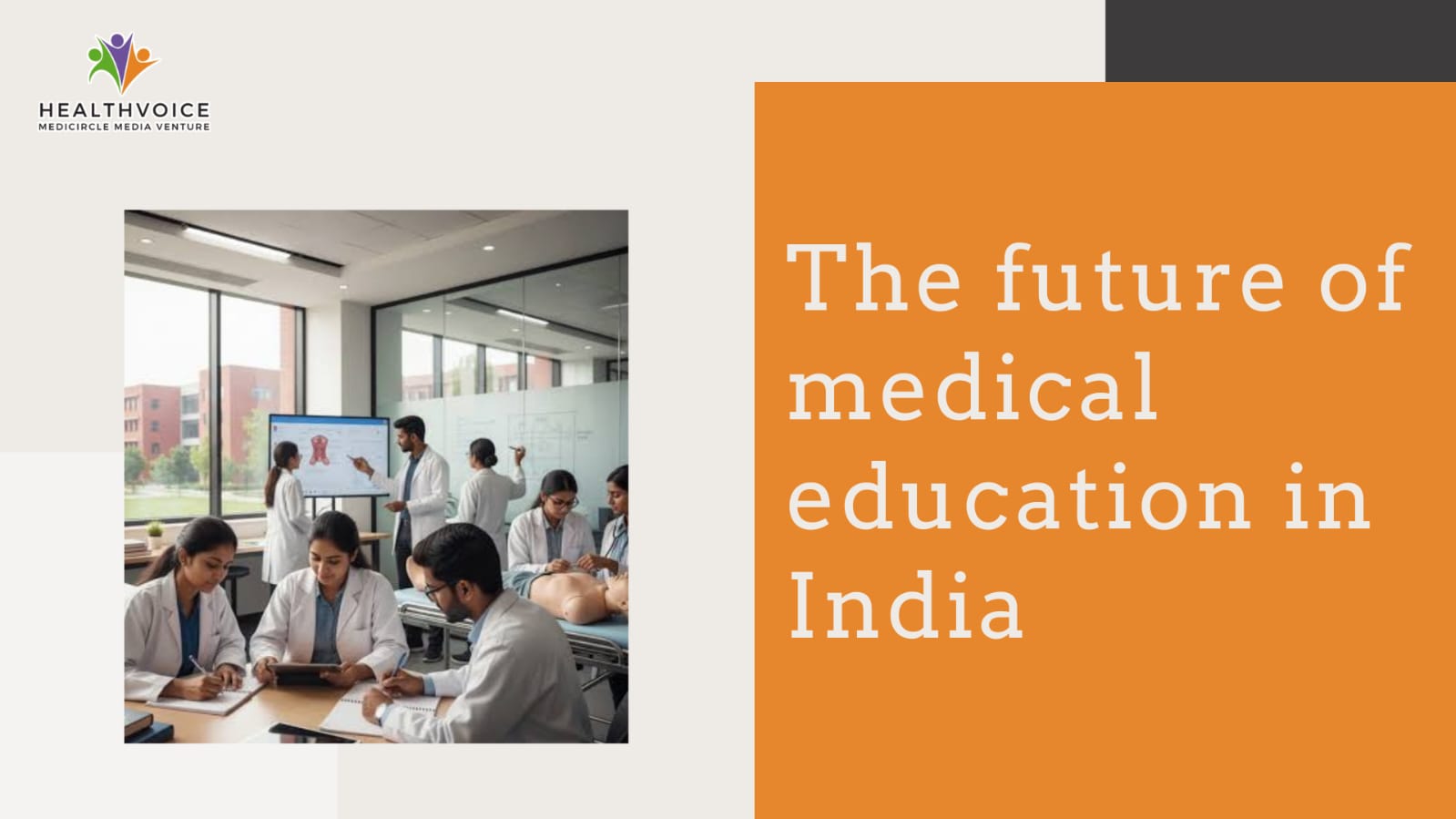
Walk through the gates of many government medical colleges today and you will witness two realities side by side. One is the tangible evidence of ambition: new buildings rising, fresh paint on lecture halls and rows of modern simulation mannequin. The other is the enduring spirit of medicine, seen in students crowded around a single patient case study, debating diagnoses with passionate intensity. This is the current landscape of Indian medical education, a system in the midst of monumental growth, grappling with a fundamental question. We have successfully built more seats, but are we building better doctors?
For years, the national mission was defined by a critical shortage. With a population exceeding 1.4 billion, the arithmetic was undeniable: India needed more doctors. The response was a historic building spree. The number of medical colleges surged from 387 in 2014 to over 808 today. MBBS seats jumped by 141 percent, now standing at over 1.23 lakh. Recent government commitments like the ₹15,034 crore investment to add thousands of seats, show this expansion is far from over. The goal of reaching remote communities with specialist care is a worthy one. But as construction dust settles, educators and healthcare leaders are shifting their gaze from quantity to quality. The foundation has been poured; now, the intricate architecture of excellence must be built upon it.
Quality versus quantity:
This relentless expansion brings with it a pressing concern. Many experts voice a clear warning: in the race to achieve a favorable doctor to population ratio, the soul of medical training must not be compromised. Reports from various regions highlight challenges. Some new colleges struggle with a lack of seasoned faculty, limited patient flow for clinical experience or infrastructure that is still catching up.The fear is not unfounded. There is a risk of producing graduates who, while holding a degree, may lack the profound clinical judgment, hands-on skill and deep ethical compass required at the bedside. A doctor’s competence cannot be measured by infrastructure alone. It is forged in the wards, through the mentorship of dedicated teachers and by the sheer volume and variety of human ailments they learn to navigate. The future of the system depends on a conscious pivot. The focus must now become qualitative transformation.
A necessary partnership:
Transformation today is inextricably linked with technology. The next generation of Indian doctors will practice in a world where artificial intelligence is a routine tool, not science fiction. Surveys indicate that over 87 percent of medical students welcome this shift, seeing AI as a powerful ally to reduce error and aid complex decision-making. Yet, here lies a glaring gap. Nearly 91 percent of these same students admit to having no formal training in AI whatsoever.
This chasm between the reality of modern healthcare and the confines of the traditional curriculum is the new frontier for education reform. The vision is for a medical graduate who is as fluent in evaluating a digital diagnostic aid as they are in reading an X-ray. This calls for a Make in India ethos in educational technology, developing simulation platforms, virtual reality modules and AI training tools that reflect Indian patient demographics and disease patterns. Imagine a student in Nagpur or Guwahati using a tailored simulator to diagnose a complex tropical fever, gaining experience with rare cases long before encountering them in a crowded outpatient department.
Humanity in medicine:
In this necessary embrace of technology, students themselves offer the most crucial insight. While optimistic about AI, a significant 69.2 percent express a resonant fear that an over reliance on machines could erode the humanistic core of medicine. They worry about the patient doctor bond, the sanctity of confidentiality and the intangible comfort of a healing presence. This student voice is perhaps the most vital guide for the path ahead.
The future of Indian medical education, therefore cannot be a binary choice between technology and humanity. It must be a fusion. The doctor of tomorrow must be a hybrid healer, a compassionate interpreter of human suffering who is also a proficient user of genomic data and digital diagnostics. Their training must run on two parallel tracks. One immerses them in data science and telemedicine. The other with equal rigor, deepens their skill in communication, empathy, medical ethics and understanding the social realities of their patients.
This is the physician India truly needs. One who can explain an AI generated prognosis chart in a metro hospital and also understand the family dynamics in a village that might prevent a treatment plan from succeeding. They will use technology to extend their reach but never as a barrier to their compassion.
Creating skilled doctors:
So, what must this evolved education system look like?
- It must be competency driven, valuing skilled hands and critical thinking over rote memorization.
- It must be seamlessly digital, weaving AI literacy and telemedicine fundamentals into the very fabric of the curriculum from year one.
- It must be ethically robust, making patient privacy, informed consent and equity central to every technological discussion.
- It must be globally smart but locally rooted, adapting best practices to solve India’s unique challenges, from rural healthcare delivery to the rise of lifestyle diseases. The bricks and mortar of new colleges were the first essential step. The true legacy of this expansion, however will be determined in the quiet moments, in a well facilitated skills lab, in a respectful conversation between a teacher and a student and ultimately in the confident, capable hands of a young doctor treating their first independent patient. The goal has evolved. It is no longer just to create more doctors. It is to cultivate a generation of healers who are both brilliantly modern and profoundly human, ready to serve the soul of a nation.
#MedicalEducation #FutureDoctors #HealthTech #MedLife #DoctorsOfIndia #MedicalStudents #Telemedicine #DigitalHealth #MedicalTraining #HealthcareReform #MedicalExcellence #healthvoice