The importance of peer networks in healthcare
Healthcare professionals carry emotional burdens long after their shifts end. This article explores how trusted peer networks quietly support them, strengthen resilience and improve patient care through shared understanding and real-world connection.
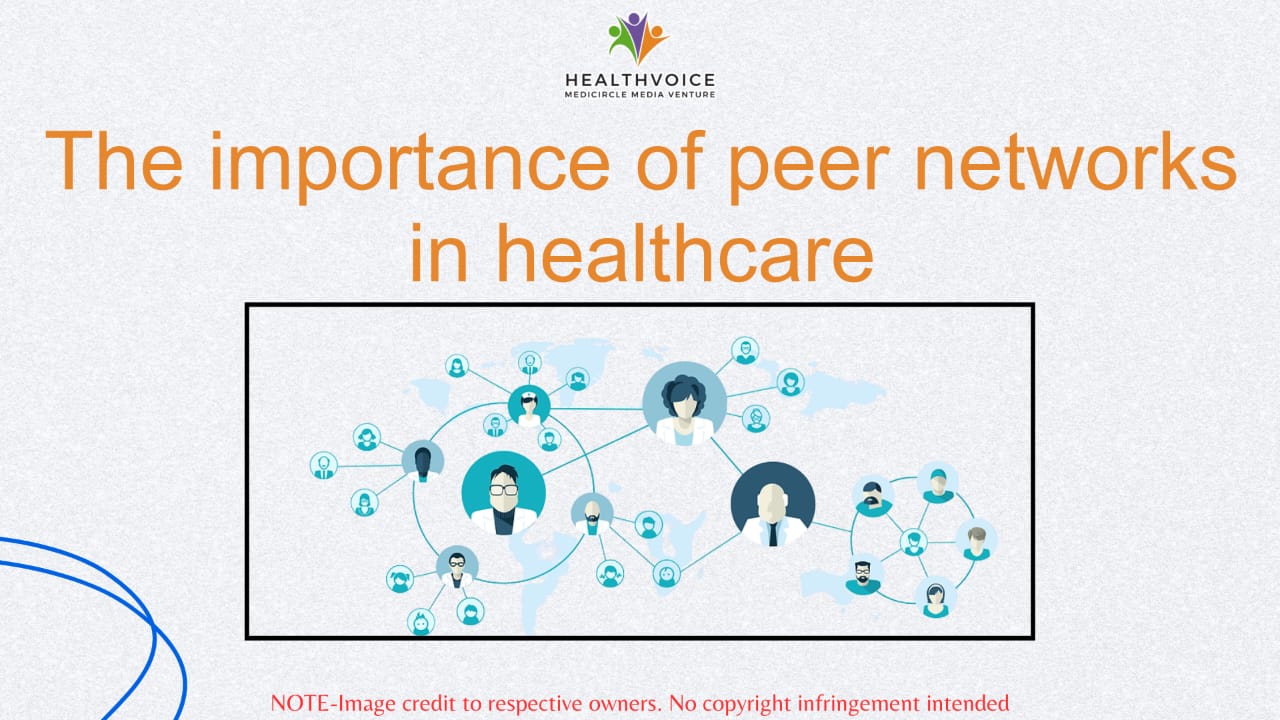
The final patient file is closed. The desk light is switched off. For a doctor, the shift may be over, but the mental load often remains. A nurse heads home, her mind replaying the day's intense interactions. These are the individuals we trust with our health, the backbone of medical care. We rarely stop to ask a simple question: who looks out for these caregivers when their day is done?
There is an answer, one that operates quietly in the background. It is the strength found in peer networks. Forget formal meetings and official hierarchies. This is about the real, human bonds formed between people who walk the same demanding path. It is the unspoken understanding that flows between healthcare professionals.
A circle of trust:
After a tough day, anyone might talk to a spouse or a friend. But can someone outside the medical world truly understand the specific stress of a misdiagnosis scare or the challenge of calming a distressed family member? This is the gap that peer connections fill so effectively.
Think of these networks as confidential circles. They come to life in the hospital cafeteria over a cup of tea in a private group chat where frustrations can be voiced or during informal gatherings. Within these spaces, a young surgeon can express doubts about an upcoming procedure and get grounded advice from a more experienced contact. A pharmacist can share difficulties in patient communication and learn a better approach from a fellow professional. This is not just about swapping medical facts. It is the profound comfort that comes from a colleague saying, "I know exactly what you are going through."
This shared understanding is a powerful antidote to the loneliness and exhaustion that can shadow this profession. Spreading the burden of a challenge among others who understand makes it lighter. Celebrating a success with those who know the effort involved makes the victory sweeter.
The power of connection:
The benefits of these relationships are not just felt; they are seen in the quality of care and personal career satisfaction.
Learning on the go:
The field of medicine never stands still. A cardiologist might hear about a nuanced approach to patient follow-up from a peer at a different clinic. A general practitioner can get a swift, trusted perspective on a complex set of symptoms from a former colleague. This daily exchange of insights directly leads to better, more informed patient outcomes.
Relief from Burnout:
The high-pressure environment of healthcare can drain even the most dedicated professional. Having a network acts as an essential release valve. Verbalizing stress to a receptive ear helps to manage emotions, lowers anxiety and restores a sense of purpose. A professional who feels supported is inherently more focused and empathetic at the bedside.
Real-world fixes:
Doctors and nurses in India often navigate unique hurdles, from medication shortages to bureaucratic processes. Among trusted peers, they can exchange practical workarounds, unite to voice concerns and find collective ways to operate within the system's constraints.
Building your circle:
Creating a robust network does not happen by chance. It requires a bit of effort. For a healthcare worker, it can begin with small, simple steps.
It starts with a conversation. Sending a message to a batch mate, joining a local medical society's events or initiating a case discussion group with departmental colleagues are all great ways to start. Online, there are dedicated forums for Indian healthcare professionals that can be valuable, as long as they are secure and well-managed.
The most important shift is in perspective. It is about moving from seeing other professionals as rivals to viewing them as partners in a common goal. When collaboration is chosen over competition, a powerful support structure naturally emerges.
A collective responsibility:
The idea of the invincible, solitary doctor is a fading myth. It is a standard that does more harm than good. Acknowledging that healthcare providers are human, with their own needs for support and community is a marker of a progressive and healthy medical culture.
A supported doctor is a stronger doctor. A nurse who feels understood is a more compassionate nurse. This creates a positive cycle. The well-being of the caregiver is linked to the quality of care they provide. Supporting these dedicated individuals is not an extra. It is a fundamental part of building a healthier society for everyone.
 Team Healthvoice
#HealthcareCommunity #PeerSupport #HealthcareWellbeing #DoctorLife #HealthcareSupport #HealthcareInsights #ContinuousLearning #MedicalLearning #HealthcareIndia #HealthCommunity #WellbeingMatter #Healthvoice