Clinical workflow challenges doctors face daily
Doctors face daily clinical workflow challenges from heavy paperwork, fragmented digital systems, lost information during transitions, and time-consuming processes, leading to inefficiency, burnout, and reduced focus on patient care.
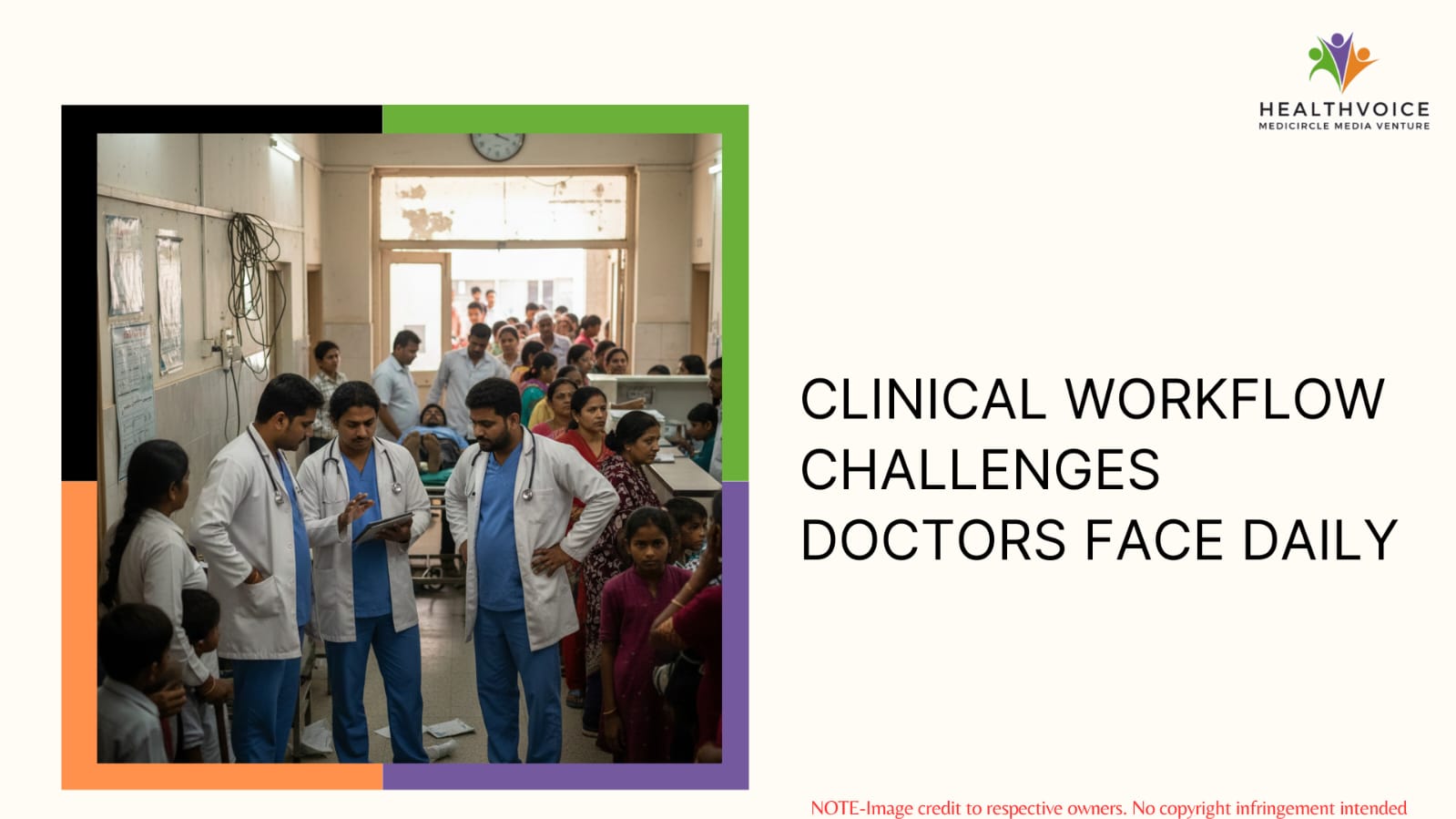
A visit to a busy Indian hospital presents a certain rhythm. Doctors move through corridors and rooms with focused energy. They examine patients, offer counsel, and provide comfort. This visible activity, however masks a separate and strenuous conflict. This conflict involves the very frameworks intended to support healthcare delivery. Clinical workflows represent the hidden mechanics of medicine. When these mechanics falter, they subtly redirect a physician's attention from the patient requiring care.
For many medical practitioners, the day revolves around forms and documentation. Research consistently indicates a large proportion of doctors dedicate excessive time to non-clinical duties. Precious hours that could advance patient understanding are lost. These hours are consumed by manual data logging, completing extensive discharge formalities, managing insurance approvals, and retrieving past patient records from other facilities. This administrative burden acts as a steady diversion of professional focus from healing.
Technology That Hampers:
Digital tools promise greater efficiency. Electronic health records and management software are supposed to streamline practice. The reality in numerous Indian settings fails to match this promise. Software applications often prove cumbersome. They seem designed for data archiving rather than supporting dynamic clinical workflows. Systems across different departments frequently operate in isolation, creating pockets of trapped information. The central problem involves adoption and integration rather than technological absence. Physicians can become reluctant administrators of multiple platforms, a role that distances them from their core expertise.
When Information Gets Lost:
A patient's journey through the healthcare system is vulnerable. Movement from an outpatient visit to inpatient admission, or from one specialist to another, represents a critical juncture. During these transitions, vital details are often misplaced. Notes may vanish, leading to duplicated diagnostic tests. The continuity of a treatment strategy can easily unravel. Such communication failures pose serious risks. They can cause medical errors, delay recovery, and generate frustration for families and staff alike. The discharge procedure alone frequently becomes a lengthy ordeal of administrative steps, extending far beyond medical necessity.
Time Slips Away:
Each inefficiency claims a small increment of time. Minor software delays, prolonged waits for information, and lengthy paperwork accumulate into significant losses. These losses lengthen demanding shifts, erode periods reserved for complex decision-making, and diminish personal time. This unrelenting pressure is a major contributor to professional exhaustion. Burnout within the medical community remains a pressing concern, often fueled by systemic friction rather than clinical work itself.
Paths to Smoother Workflows:
Recognizing these challenges forms the necessary first step toward improvement. Solutions require system redesign, not increased individual strain. Operational efficiency must be valued as a fundamental component of quality care, not a secondary concern.
Progress is achievable through deliberate action.
- Unified Digital Frameworks: National initiatives like the Ayushman Bharat Digital Mission (ABDM) work toward an interconnected health ecosystem. A verified digital identity and secure, consent-based record sharing can reduce redundant administration and improve care coordination.
- Human-Centered Tools: Hospitals should prioritize software adoption that involves clinical staff in selection and design. Comprehensive training and sustained support are essential. Technology must serve the caregiver's workflow intuitively.
- Targeted Process Repair: Addressing specific bottlenecks yields direct benefits. Streamlining discharge protocols, implementing real-time OPD queue systems, or using standardized handover checklists are practical solutions. These steps reduce daily chaos for staff and patients.
In Conclusion:
The weight of administrative processes represents a deep healthcare challenge. It undermines the essential connection between doctor and patient. Every minute reclaimed from an inefficient system is a minute restored to thoughtful care. Building a resilient healthcare future for India requires engaging with these hidden daily battles. The goal is to ensure systems empower healing, not hinder it.
 Team Healthvoice
#HealthcareWorkflows #ClinicalEfficiency #HealthcareTransformation #HealthTech #PatientFirst #DigitalHealth #ABDM #HospitalOperations #CareDelivery #SmartHealthcare #MedicalWorkforce #HealthcareReform #QualityOfCare #FutureOfHealthcare #healthvoice