Ethical decision-making under pressure
Ethical decision making is a practical framework for navigating medical crises in India. By balancing trust, family dynamics, and transparency, caregivers can ensure patient welfare and maintain healthcare integrity.
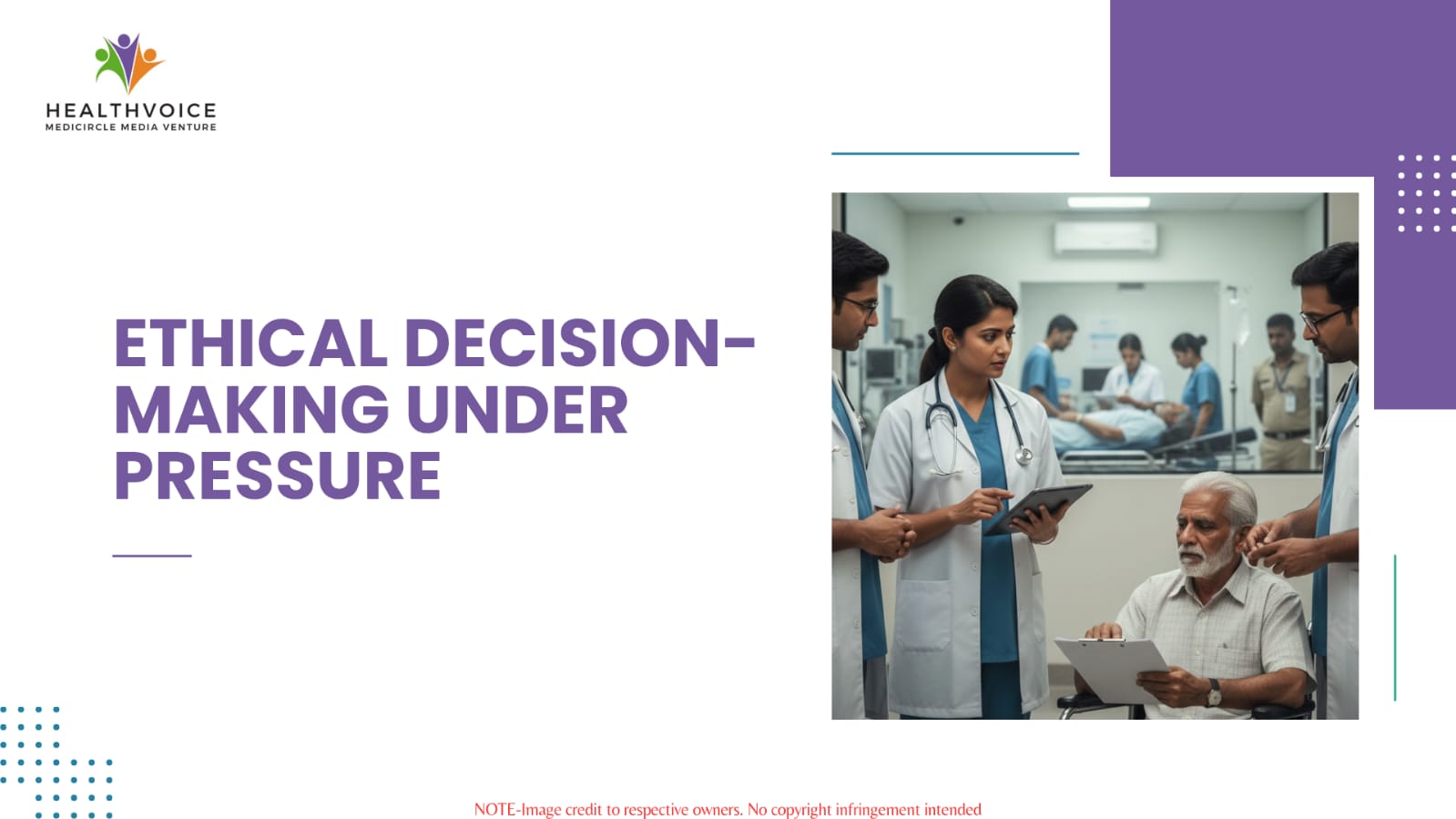
In the fast-paced environment of an Indian hospital or a family home during a medical crisis, the right choice is not always obvious. Whether you are a surgeon making a split second call or a daughter deciding on a treatment plan for an elderly parent, the pressure can be paralyzing. In our unique cultural landscape where resources are often limited and family opinions carry immense weight, the ability to make sound, ethical decisions is not just a textbook skill. It is a vital survival tool for everyone involved in healthcare.
Many people think ethics is a slow, academic debate meant for classrooms. In reality, it is a practical, life-saving framework designed for the exact moment when you do not have the luxury of time.
Trust and Balance:
In India, the patient and doctor relationship is built on Vishwas or trust. This bond is the foundation of our healthcare system, but it is also the first thing to be tested when things go wrong. Ethical decision making acts as a compass to keep that trust intact. To find your way, you must balance four core ideas:
- Doing Good: Acting in a way that truly benefits the patient.
- Avoiding Harm: Ensuring the treatment does not cause more suffering than the illness.
- Respecting Choice: Honoring what the patient actually wants for their own life.
- Fairness: Being just and equitable in how care is provided.
In a crowded Indian clinic, these goals often pull in different directions. A doctor may want to push for a life-saving surgery while a family might be terrified of the mounting debt or the subsequent loss of independence for the patient. Resolving this requires more than medical degrees; it requires a genuine commitment to listening.
Family Centric Care:
One of the most complex hurdles in Indian healthcare is our family-centric culture. Unlike the West where the individual is the sole decision maker, the family in India often acts as a collective unit. Sometimes, well-meaning relatives try to protect a patient by hiding a grim diagnosis. This creates a difficult tug of war between a person's right to know the truth and the family's desire to shield them from pain.
The best way to lower the temperature in these high-pressure moments is through radical honesty. Ethical choices are not made in a vacuum. By using simple, everyday language and avoiding confusing medical jargon, we can create a shared understanding. When everyone, including doctors, patients, and relatives is working toward the same goal, the sense of panic begins to fade.
Steps for Crisis:
When adrenaline spikes, our brains naturally move into fight or flight mode, which is not the best state for making life-altering choices. To stay grounded, try these simple mental shifts:
The Five Second Pause:Even in an emergency, taking five seconds to breathe can shift your brain from a state of panic to one of logic. Ask yourself what the most important goal is right now.
Seek Collective Wisdom:In India, we naturally seek second opinions from elders or colleagues. This is a massive ethical strength. Bringing in a fresh perspective is not a sign of uncertainty. It is a safety net that prevents one person from carrying the entire burden of a choice.
Simplify the Goal: Do not get lost in complex data or conflicting statistics. Strip the decision back to its core by asking if this action will actually make the patient's daily life better.
Knowledge and Resources: The landscape of Indian healthcare is changing. Today, digital platforms and expert-led resources are helping bridge the gap between medical theory and the reality of a bedside crisis. When families and doctors have access to evidence-based insights, the fear of the unknown is greatly reduced. Information is the best antidote to the pressure of making a mistake.
Integrity and Humanity:
Ethical decision making is not about being perfect; it is about being thoughtful. We cannot always control the final outcome of a surgery or a treatment, but we can control the honesty and care we put into making the choice. Ultimately, navigating a medical crisis in India is a blend of clinical science and human empathy. By encouraging a culture where it is okay to ask questions and where transparency is the standard, we ensure that our healthcare remains deeply human. Whether you are wearing a white coat or sitting by a loved one's bedside, your values and your voice are the most powerful tools you have.
 Team Healthvoice
#MedicalEthics #PatientFirst #InformedConsent #PatientRights #DoctorPatientRelationship #CompassionateCare #HealthcareLeadership #EvidenceBasedCare #SecondOpinion #HealthcareAwareness #HolisticHealthcare #healthvoice
