Learning from clinical mistakes responsibly
Treating clinical mistakes as opportunities for systemic growth rather than individual failures makes healthcare safer. Shifting from blame to responsible learning ensures an accountable, evolving, and resilient Indian healthcare system.
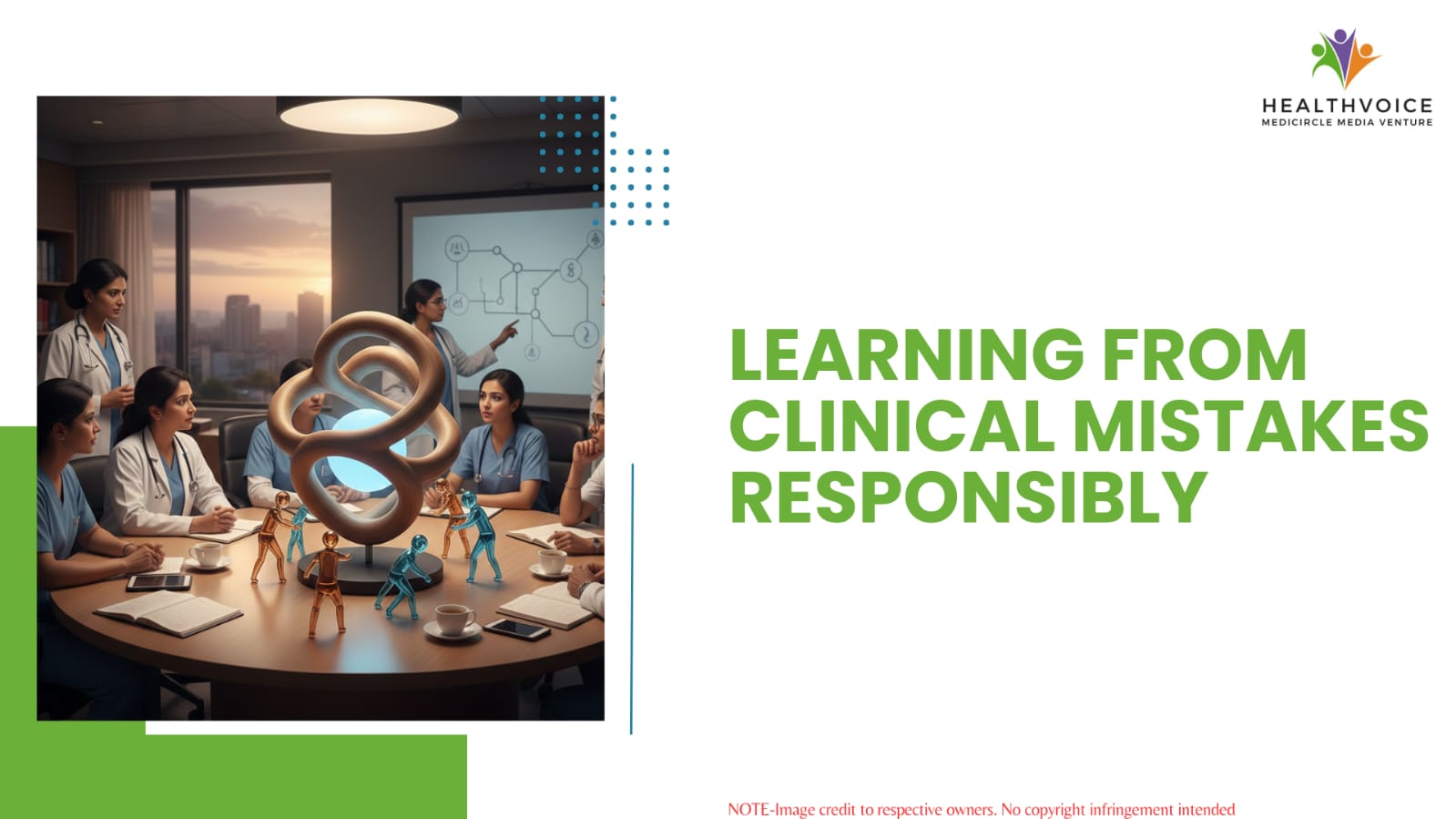
The medical profession within India stands as one of the most demanding vocations in the world. Whether it involves a doctor navigating a packed government outpatient department or a nursing team operating in a high-technology private intensive care unit, the expectation remains the same: flawless execution. Yet, even with years of rigorous training and the best of intentions, medicine remains a field where human judgment meets unpredictable biology. Clinical errors, while difficult to discuss, are an inevitable part of this professional landscape.
The true strength of a healthcare system is not found in the pretense of being perfect. Instead, the strength lies in how we handle situations when they go wrong. In an environment as high-pressure as the Indian healthcare sector, shifting from a mindset of fear to one of responsible learning will truly elevate patient safety.
Ending Blame Culture:
Historically, the medical field has relied on a culture of naming and shaming. If a complication occurred, the immediate instinct was to find someone to penalize. This approach is deeply flawed. When healthcare workers fear for their jobs or reputations, they are less likely to speak up about near misses. These are small glitches that did not cause harm this time but might in the future.
To learn responsibly, we must stop asking who did this and start asking how the system allowed this to happen. Often, an error is not the fault of one person but a chain of events. It could be exhaustion from a long shift, a confusingly labeled medication, or a breakdown in communication during a patient handover. When we fix the system, we protect every patient who enters the hospital.
Structured Clinical Reflection:
Meaningful improvement requires more than just a casual chat after a difficult case. It requires a structured approach. Many hospitals across India are now implementing dedicated review sessions, often called Morbidity and Mortality meetings. These are not meant to be trials, but rather safe spaces for peer-to-peer education and professional growth.
A productive review follows a clear path:
- Fact-Finding: Looking at the data and clinical timeline without the cloud of emotion.
- Identifying Gaps: Pinpointing exactly where a protocol was missing or where an environment became unsafe.
- Implementing Solutions: Creating a specific change, like a new digital checklist, to bridge that gap.
When senior doctors lead by example and admit to their own past challenges, it creates a culture of honesty. It teaches junior residents that excellence is not about never failing. Rather, it is about never failing to learn.
Restoring Patient Trust:
One of the biggest hurdles in Indian healthcare is the fear of how patients and families will react to bad news. There is a common worry that admitting a mistake will lead to legal trouble or even physical confrontation. However, silence often creates more suspicion than the truth does.
Responsible healthcare involves open disclosure. This means sitting down with a patient family, explaining the situation honestly, and showing them what is being done to prevent it from happening again. Most people value sincerity and empathy. By being transparent, we move away from an image of infallible gods and toward a more human, trusted partnership with our patients.
Digital Safety Nets:
The rise of digital health in India offers a massive opportunity to reduce the margin for error. Features like Electronic Health Records act as a safety net. For instance, a smart system can instantly alert a doctor if a prescribed drug might react poorly with existing medication. This is something a human brain might overlook during a busy night.
These tools should not replace a doctor intuition, but they should certainly support it. By using data from previous clinical errors to improve these digital alerts, we create a smarter and more resilient frontline of defense for all patients.
Supporting Healthcare Workers:
Finally, we must recognize that when a mistake happens, the patient is not the only one affected. The healthcare professional involved often carries a heavy burden of guilt, anxiety, and trauma. In a responsible system, we must support these second victims. Providing psychological support and a path back to clinical practice ensures that we do not lose skilled professionals to burnout or despair.
Ultimately, viewing clinical mistakes as opportunities for systemic growth makes healthcare safer for everyone. It is about building a future where every Indian patient receives care that is not just technologically advanced, but also deeply accountable and constantly evolving.
 Team Healthvoice
#PatientSafety #ClinicalExcellence #HealthcareLeadership #MedicalEducation #HospitalSafety #QualityImprovement #CompassionInCare #FutureOfHealthcare #DigitalHealth #ElectronicHealthRecords #SafeHealthcare #healthvoice