Addressing Maternal Anemia in Tribal Belts: Evaluating the Impact of Point-of-Care Testing
Maternal anemia is a major public health challenge in low- and middle-income regions, especially among indigenous and tribal communities. Low hemoglobin levels increase the risk of maternal mortality, postpartum hemorrhage, low birth weight, intrauterine growth restriction, and adverse pregnancy outcomes.
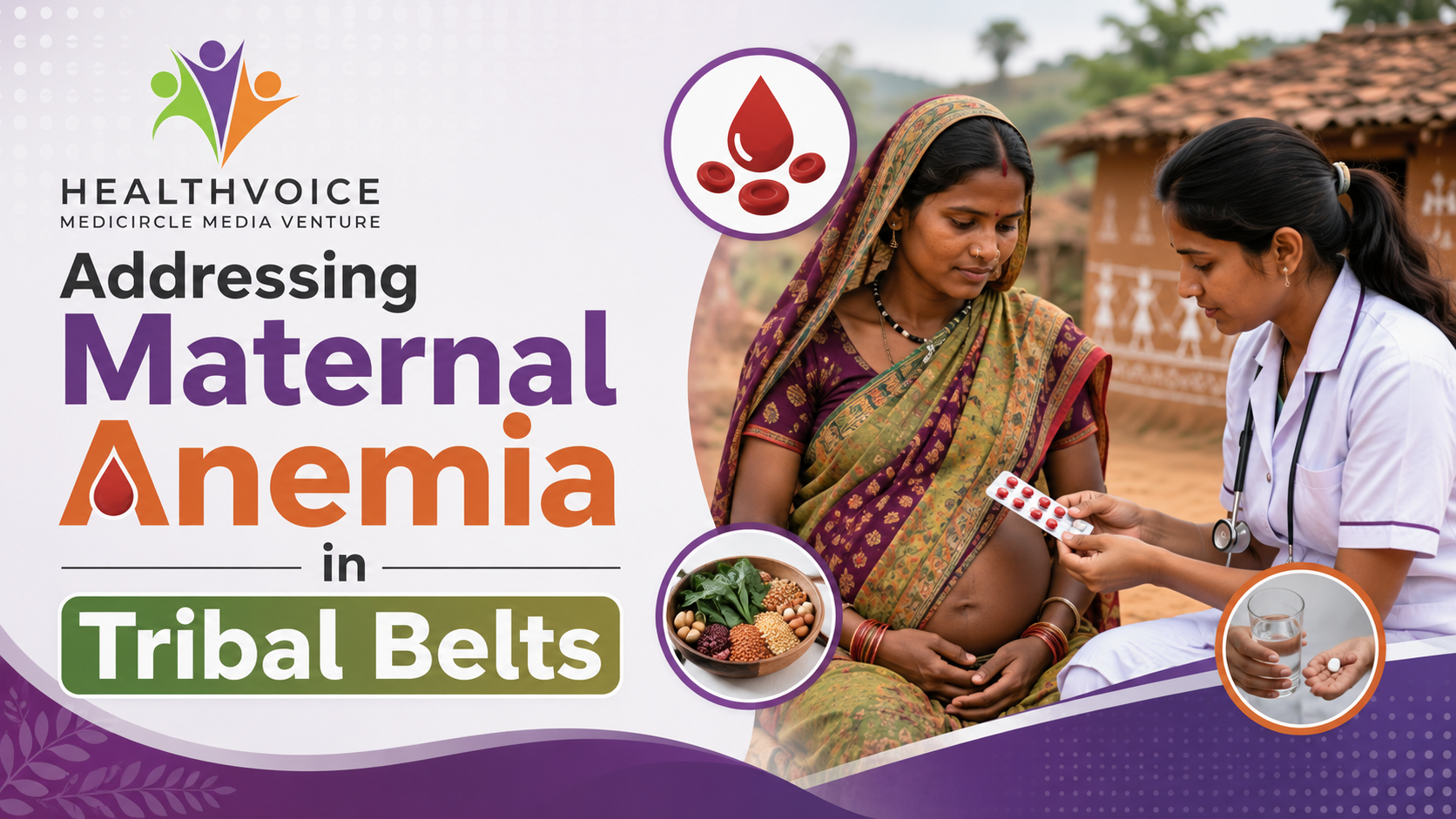
Maternal anemia remains a persistent, critical public health challenge in low- and middle-income regions, disproportionately impacting indigenous communities and remote tribal belts. Characterized by low hemoglobin concentrations, severe maternal anemia dramatically increases the risk of maternal mortality, post-partum hemorrhage (PPH), low birth weight, intrauterine growth restriction (IUGR), and perinatal death.
In underserved tribal belts, several factors compound the burden of anemia: widespread nutritional iron deficiency, high rates of hemoglobinopathies (such as sickle cell trait/disease and beta-thalassemia), endemic parasitic infections (malaria and helminthiasis), early marriages, and high parity. Historically, diagnosing anemia required drawing venous blood samples, maintaining a cold chain, and transporting specimens to distant secondary or tertiary laboratories. This multi-step process often led to long diagnostic delays and high loss-to-follow-up rates.
The introduction of non-invasive and micro-cuvette-based Point-of-Care (PoC) testing has transformed maternal healthcare in hard-to-reach geographies. By delivering immediate diagnostic results at the village level, PoC testing enables health workers to initiate timely clinical interventions and track patient progress effectively.
1. Diagnostic Bottlenecks in Tribal Maternal Care
To evaluate the impact of Point-of-Care testing, it helps to examine the traditional systemic barriers that have historically limited effective anemia management in informal and indigenous settlements:
- Geographic Isolation and Transportation Costs: Pregnant women in remote forested regions often must walk long distances over rugged terrain to reach primary health centers (PHCs). The financial cost of travel and lost daily wages frequently prevents them from attending routine antenatal care (ANC) visits.
- The Delayed Results Feedback Loop: Traditional laboratory testing involves collecting venous blood, sending it to a central facility, and waiting days or weeks for results. By the time a laboratory report confirms severe anemia, the patient may have returned home, delaying essential treatment.
- Cultural Hesitancy and Invasive Blood Draws: Repeated venous blood sampling using large needles can cause anxiety and resistance among tribal populations, leading to missed antenatal appointments.
- Under-Diagnosis of Co-Existing Hemoglobinopathies: In many tribal belts, iron deficiency co-exists with genetic red blood cell disorders like sickle cell anemia. Standard physical evaluations (such as checking for conjunctival or palmar pallor) miss early-stage anemia and fail to differentiate simple nutritional deficiencies from complex genetic conditions.
2. Point-of-Care (PoC) Hemoglobin Testing Technologies
Modern Point-of-Care testing shifts diagnostic capabilities from centralized laboratories directly to the patient's doorstep. Two main categories of PoC devices are used in frontline maternal health programs:
Micro-Cuvette Photometric Hemoglobinometers
These portable, battery-operated devices measure hemoglobin levels using a single drop of capillary blood obtained via a gentle finger-prick.
- Mechanism: The blood drop is drawn by capillary action into a micro-cuvette pre-treated with reagents. The device measures light absorption at specific wavelengths to calculate accurate hemoglobin concentrations within seconds.
- Operational Advantages: They provide high diagnostic precision comparable to central laboratory hematology analyzers, operate reliably on battery power in non-electrified villages, and require minimal technical setup.
Non-Invasive Spectrophotometric Sensors
Next-generation PoC tools utilize non-invasive sensor clips placed on a patient's finger, completely eliminating the need for blood draws.
- Mechanism: Multi-wavelength optical sensors measure arterial light absorption through the skin to estimate hemoglobin concentration instantly.
- Operational Advantages: Because these sensors require no skin pricks, reagents, or hazardous waste disposal, they eliminate infection risks and lower per-test consumable costs, making them well-suited for large-scale community screening drives.
3. The Clinical and Operational Impact of PoC Testing in Tribal Belts
Integrating Point-of-Care testing into community-based maternal health initiatives delivers significant improvements across key clinical metrics:
- Immediate Risk Triaging: Frontline healthcare workers (such as Accredited Social Health Activists [ASHAs] and Auxiliary Nurse Midwives [ANMs]) can instantly categorize pregnant women into mild (10.0–10.9 g/dL), moderate (7.0–9.9 g/dL), or severe (< 7.0 g/dL) anemia risk groups during their very first home visit.
- Same-Day Treatment Initiation: Patients diagnosed with mild-to-moderate anemia receive immediate oral Iron-Folic Acid (IFA) supplementation along with tailored dietary guidance. Women identified with severe anemia can be referred immediately to the nearest primary health center for advanced interventions, such as intravenous (IV) Iron Sucrose or Ferric Carboxymaltose (FCM) infusions, avoiding dangerous delays late in pregnancy.
- Empowerment of Community Health Workers: Portable diagnostic tools allow community workers to deliver objective, clinical-grade testing during routine village health and nutrition days.
- Improved Compliance Through Visual Tracking: Showing pregnant women their exact hemoglobin numbers in real time helps them understand their health status. Seeing their hemoglobin levels improve during subsequent visits encourages consistent adherence to prescribed oral iron supplements.
4. Integrating PoC Testing into Public Health Frameworks
Point-of-Care testing achieves its maximum impact when integrated into comprehensive public health policies and maternal nutrition initiatives:
Anemia Mukt Bharat Strategy
In India, the national Anemia Mukt Bharat (Anemia-Free India) framework emphasizes test-treat-talk (T3) camps. Utilizing digital, battery-operated digital hemoglobinometers at village health gatherings allows frontline teams to screen pregnant women, initiate appropriate treatments immediately, and counsel families on local, iron-rich foods.
Differentiating Hemoglobinopathies
Because genetic disorders like sickle cell trait and thalassemia are prevalent in tribal belts, public health protocols pair digital hemoglobin testing with point-of-care solubility tests or lateral flow immunoassay cards. This dual screening helps identify underlying genetic traits, ensuring patients receive appropriate genetic counseling and specialized clinical management alongside standard anemia care.
10 Frequently Asked Questions (FAQs)
Q1. What is Point-of-Care (PoC) testing for maternal anemia?
Point-of-Care testing refers to performing diagnostic medical tests at or near the site of patient care—such as a patient's home, a village center, or a rural health clinic—using portable devices that deliver immediate results.
Q2. How accurate are portable digital hemoglobinometers compared to central lab testing?
Modern micro-cuvette-based digital hemoglobinometers demonstrate high accuracy and precision, closely matching the results of central laboratory automated cell counters (the cyanmethemoglobin reference method) when operated properly.
Q3. Why is maternal anemia particularly severe in indigenous tribal belts?
Maternal anemia in tribal belts stems from a combination of chronic nutritional deficiencies, low health literacy, early pregnancies, limited access to healthcare, parasitic infections, and a high prevalence of inherited red blood cell disorders like sickle cell disease.
Q4. What is the difference between invasive and non-invasive PoC hemoglobin testing?
Invasive PoC testing uses a small finger-prick to draw a single drop of blood into a micro-cuvette for optical analysis. Non-invasive PoC testing uses a finger-clip optical sensor to measure hemoglobin through the skin without breaking the surface or drawing blood.
Q5. How does PoC testing help prevent Post-Partum Hemorrhage (PPH)?
Severe anemia significantly weakens a mother's physiological ability to withstand normal blood loss during childbirth, drastically increasing PPH mortality. Detecting and treating anemia early in pregnancy via PoC testing ensures safer hemoglobin levels prior to delivery.
Q6. What treatment interventions are triggered by PoC anemia diagnosis during pregnancy?
Mild-to-moderate anemia is managed with oral Iron-Folic Acid (IFA) supplements, deworming medications, and dietary counseling. Severe anemia (< 7 g/dL) prompts immediate referral for intravenous iron infusions (e.g., Ferric Carboxymaltose) or blood transfusions at secondary health facilities.
Q7. How do community health workers use PoC devices in rural screening drives?
Community health workers carry lightweight, battery-operated devices during home visits and village health camps. They screen pregnant women, log the real-time results into mobile health tracking apps, and issue immediate treatment or referral advice.
Q8. What operational challenges affect PoC testing deployment in remote forests and hilly terrains?
Operational challenges include ensuring a reliable supply of single-use micro-cuvettes, protecting optical sensors from extreme heat and dust, maintaining battery charge in off-grid villages, and providing ongoing calibration and quality control training for field staff.
Q9. Can PoC testing differentiate between nutritional iron deficiency and sickle cell anemia?
Standard PoC hemoglobinometers measure total hemoglobin concentration but cannot identify the underlying cause of anemia. However, public health programs pair hemoglobinometers with rapid point-of-care solubility or immunoassay cards to screen for sickle cell trait and disease simultaneously.
Q10. How does immediate result delivery improve patient adherence to treatment?
When patients receive immediate numeric feedback about their hemoglobin status, they understand their health risks more clearly. Tracking monthly improvements visually builds trust in the health worker's advice and encourages women to take their daily oral iron supplements consistently.
5. Conclusion: Bridging the Diagnostic Divide in Indigenous Healthcare
Eliminating maternal anemia in tribal belts requires moving beyond traditional, facility-bound healthcare delivery. Relying solely on distant hospital laboratories leaves vulnerable pregnant women in remote regions without timely screening or treatment.
Integrating Point-of-Care testing into community-based maternal health frameworks provides frontline healthcare workers with rapid, reliable diagnostic tools. By delivering immediate results, enabling prompt clinical treatment, and fostering community trust, PoC testing serves as a vital tool for reducing maternal mortality, preventing birth complications, and ensuring health equity for indigenous populations.
 Team Healthvoice
#MaternalHealth #AnemiaAwareness