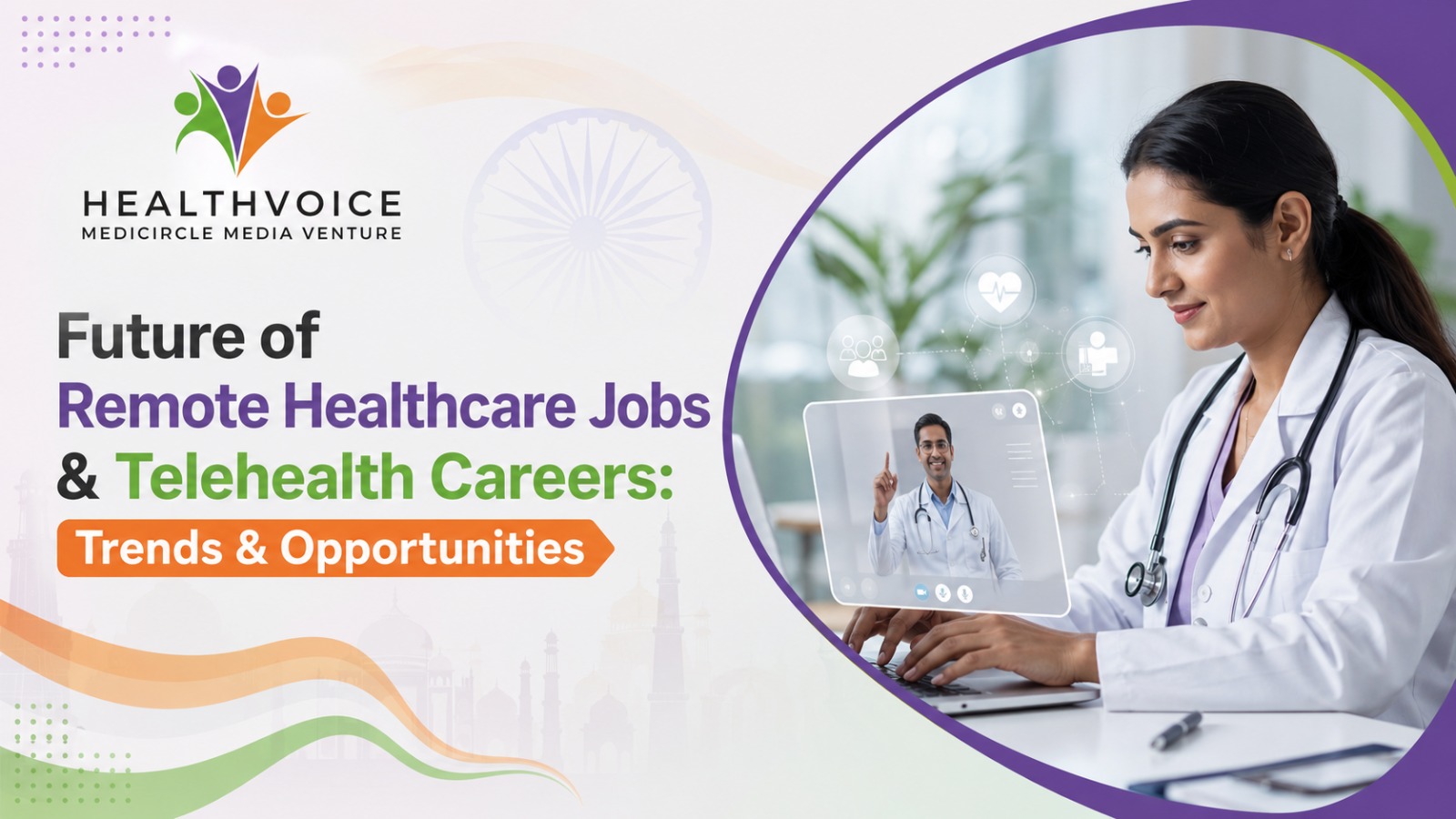
Future of Remote Healthcare Jobs & Telehealth Careers: Trends & Opportunities
The rapid growth of telehealth and remote healthcare services is transforming how medical care is delivered, creating new career opportunities beyond traditional clinical settings. Driven by digital innovation and increasing demand for accessible healthcare, remote healthcare jobs are becoming a key component of the modern healthcare workforce.
Introduction: The Remote Healthcare Revolution
The healthcare industry is undergoing a profound transformation, driven by technological advancements and a growing demand for flexible, accessible care. The rise of remote healthcare jobs and telehealth careers has reshaped traditional medical practices, offering unprecedented opportunities for both providers and patients. This shift, significantly accelerated by recent global events, has proven that high-quality healthcare can be delivered effectively outside conventional clinical settings [1].
According to industry forecasts, the global telehealth market is projected to reach an astounding $791.04 billion by 2032, growing at a compound annual growth rate (CAGR) of 22.9% [1]. This explosive growth underscores the increasing importance of virtual care models and the expanding landscape of remote healthcare jobs.
Key Drivers of the Remote Healthcare Boom
Several factors are fueling the expansion of remote healthcare jobs and telehealth careers:
- Technological Advancements: Secure, HIPAA-compliant platforms, remote monitoring devices, and advanced communication tools have made virtual consultations seamless and effective [1].
- Demand for Workforce Flexibility: Healthcare professionals increasingly seek better work-life balance and geographic flexibility, which remote healthcare jobs readily provide [1].
- Cost Efficiency for Organizations: Remote models can reduce overhead costs for healthcare facilities while maintaining high-quality care [3].
- Geographic Accessibility: Telehealth significantly improves access to specialized care for patients in underserved or rural areas [1].
Impact on Healthcare Careers: Expanding Horizons
The expansion of telehealth is not merely a temporary trend; it represents a permanent shift that is creating new and evolving telehealth careers across various medical disciplines. This evolution is impacting roles from direct patient care to administrative and technological support.
- Increased Demand for Telehealth Practitioners
Telehealth careers represent the most direct translation of traditional clinical skills to remote environments. The U.S. Bureau of Labor Statistics projects significant growth in healthcare occupations, with approximately 1.9 million job openings annually [1]. This includes a surge in demand for:
- Primary Care Telehealth Providers: Physicians, Nurse Practitioners (NPs), and Physician Assistants (PAs) conducting routine consultations, managing chronic conditions, and providing preventive care via video platforms [1].
- Specialist Consultations: Experts in dermatology, psychiatry, endocrinology, and cardiology offering virtual consultations across state lines [1].
- Urgent Care Telehealth: NPs and PAs leading immediate care for non-emergency conditions remotely [1].
- Mental Health Telehealth: Psychiatrists, psychiatric NPs, Licensed Clinical Social Workers (LCSWs), therapists, and counselors building thriving virtual practices [1] [2].
- New Roles in Virtual Care Coordination
Virtual care coordinators are essential in bridging the gap between patients, providers, and healthcare systems, ensuring continuity of care in remote healthcare jobs settings. These roles include:
- Care Coordinators: Registered Nurses (RNs), Licensed Practical Nurses (LPNs), and healthcare administrators helping patients navigate complex systems, schedule appointments, and understand treatment plans [1].
- Case Managers: Advanced Practice Nurses or social workers overseeing high-risk patients with multiple chronic conditions [1].
- Patient Advocates: Offering support and guidance on insurance issues, treatment decisions, and healthcare challenges [1].
- Growth in Clinical Consulting and Advisory Roles
For healthcare professionals seeking non-clinical remote healthcare jobs that leverage their medical expertise, consulting offers an attractive pathway:
- Medical Affairs Consultants: Providing clinical expertise to pharmaceutical and medical device companies [1].
- Healthcare Technology Consultants: Assisting health tech companies in understanding clinical workflows and user needs [1].
- Telemedicine Consultants: Helping organizations implement and optimize telehealth programs [1].
- Clinical Informatics Consultants: Bridging clinical practice and health information technology [1].
- Booming Health Technology and Digital Health Careers
The burgeoning health tech sector offers numerous remote healthcare jobs that integrate clinical knowledge with innovative technology:
- Clinical Success Managers: Working with providers to maximize the value of digital health tools [1].
- Implementation Specialists: Guiding organizations through the adoption of new healthcare technologies [1].
- Healthcare Data and Analytics: Clinical data analysts, population health analysts, and medical informaticists making sense of patient data to improve outcomes and efficiency [1].
- Non-Clinical Career Transitions
Many healthcare professionals are transitioning into fulfilling non-clinical remote healthcare jobs in leadership and administrative capacities:
- Healthcare Administrators: Overseeing operations, managing budgets, and ensuring compliance [1].
- Healthcare Project Managers: Leading initiatives to improve patient care or implement new technologies [1].
- Medical Writing and Communications: Creating content for pharmaceutical companies, medical journals, and healthcare organizations [1].
Visualizing the Future: The Ecosystem of Remote Healthcare Jobs
To better understand the interconnectedness of these evolving roles and the driving forces behind them, consider the following diagram:
Essential Skills for Success in Telehealth Careers
To thrive in the competitive virtual job market, a blend of clinical expertise, soft skills, and tech-savviness is crucial. Employers are increasingly looking for candidates who [4]:
- Communicate Clearly and Compassionately: Especially over video platforms.
- Troubleshoot Basic Tech Issues: And document efficiently.
- Are Self-Directed and Organized: Essential for autonomous remote roles.
- Demonstrate Comfort with Telehealth Platforms: Such as Doxy.me, Zoom for Healthcare, and Epic telemedicine modules.
Licensing and Credentialing in a Virtual World
Working across state lines in telehealth careers often requires multiple state licenses or eligibility under interstate compacts. Key updates for 2025 include [4]:
- Nurse Practitioners: The APRN Compact is expanding, allowing multistate licensure.
- Mental Health Professionals: PSYPACT and the Counseling Compact are making multistate practice more accessible.
Healthcare professionals should ensure their resumes, licensing documents, and references are organized for virtual credentialing workflows [4].
The Path Forward: Embracing Remote Healthcare Jobs
The future of healthcare is undeniably intertwined with the growth of remote healthcare jobs and telehealth careers. This evolution offers immense potential for innovation, accessibility, and improved work-life balance for healthcare professionals. By understanding these trends and proactively developing the necessary skills, individuals and organizations can successfully navigate and contribute to this dynamic landscape.
Frequently Asked Questions (FAQs)
- What are remote healthcare jobs?Remote healthcare jobs involve healthcare professionals working from different locations, utilizing technology to deliver patient care, administrative support, or consulting services without being physically present at a facility.
- What is telehealth?Telehealth refers to the use of digital communication technologies, such as video calls, mobile apps, and remote monitoring devices, to provide medical care and consultations remotely.
- What types of professionals are in demand for telehealth careers?A wide range of professionals are in demand, including physicians, nurse practitioners, physician assistants, mental health specialists, medical assistants, pharmacy technicians, and clinical data analysts.
- How has the pandemic impacted remote healthcare jobs?The pandemic significantly accelerated the adoption of remote healthcare, proving its effectiveness and leading to permanent infrastructure changes and increased demand for virtual care models.
- What are the benefits of remote healthcare jobs for professionals?Benefits include improved work-life balance, geographic flexibility, access to a broader range of opportunities, and the ability to make a significant impact on patient care from diverse locations.
- What are the benefits of telehealth for patients?Patients benefit from increased accessibility to care, convenience, reduced travel time and costs, and access to specialists who might not be available locally.
- What skills are essential for success in telehealth careers?Key skills include clear communication, basic tech troubleshooting, self-direction, organization, and familiarity with various telehealth platforms.
- Are there non-clinical remote healthcare jobs?Yes, many non-clinical roles are available remotely, such as healthcare administration, project management, medical writing, clinical consulting, and health technology roles.
- How important is licensing for remote healthcare jobs across state lines?Licensing is crucial. Many telehealth careers require professionals to hold multiple state licenses or be eligible under interstate compacts to practice across different states.
- What is the projected growth for the telehealth market?The global telehealth market is projected to grow from $186.41 billion in 2025 to $791.04 billion by 2032, demonstrating substantial future expansion [1].
References
[1] MatchDay Health. (2025). The Complete Guide to Remote Healthcare Careers: Work-From-Home Opportunities for Medical Professionals. Available at: https://www.matchday.health/post/the-complete-guide-to-remote-healthcare-careers-work-from-home-opportunities-for-medical-medical-professionals
[2] HMI. (2025). The Future of Telemedicine and How It Impacts Healthcare Careers. Available at: https://hmi.edu/the-future-of-telemedicine-and-how-it-impacts-healthcare-careers/
[3] CrewBloom. (2024). The Future of Remote Healthcare Staffing: Trends and Predictions. Available at: https://www.linkedin.com/pulse/future-remote-healthcare-staffing-trends-predictions-crewbloom-3amwc
[4] PracticeMatch. (2025). Telehealth in 2025: Expanding Roles for Healthcare Professionals. Available at: https://www.practicematch.com/healthcare/articles/telehealth-in-2025-expanding-roles-for-healthcare-professionals.cfm
 Team Healthvoice
#TelehealthCareers #RemoteHealthcareJobs