How digital tools are helping small hospitals modernize
Small hospitals in India are adopting practical digital tools to streamline records, connect with specialists and free staff time, enhancing both efficiency and patient-centered care.
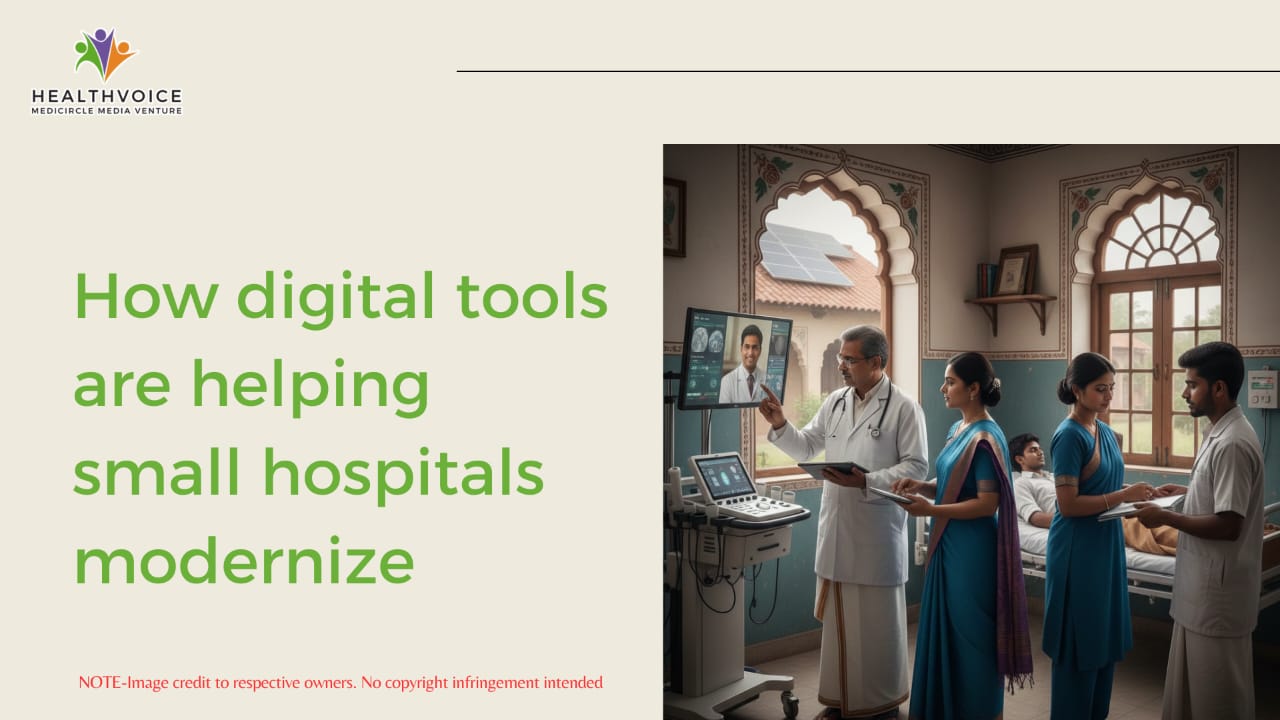
Walk into a small, local hospital in any Indian town. What do you see? Dedicated doctors and nurses moving quickly between rooms. Stacks of paper files lining the reception desk. A sense of diligent effort, but perhaps also a feeling of strain. This is the everyday scene for countless neighborhood nursing homes and clinics. They are the backbone of our community healthcare, yet they work with limited funds and overwhelming demand. So how do these essential places modernize? The answer is emerging through practical, smart digital tools that are within their reach.
End of the paper chase:
For generations, healthcare ran on paper. A patient's medical history lived in a physical file. In a small hospital, this system creates real problems. Files get misplaced, test results go missing. When a patient sees different doctors, their care story becomes fragmented. The first big change is moving from dusty folders to digital records.
Today, affordable software solutions are making this possible. Picture a physician in a 40-bed facility in Madurai or Meerut. Instead of waiting for a clerk to find a file, she can type a name and see the full story appear. Last year's X-ray report, notes from a previous consultation, a list of current medications, it is all there in one place. This shift is fundamental. It cuts down on dangerous errors, saves vital minutes in an emergency and ensures care is consistent. Nurses spend less time on paperwork and more time with patients. Hospital managers gain a clear, instant view of which beds are free or which supplies are low. It turns disorder into order.
Connecting to expertise:
A major challenge for smaller facilities is access to specialist knowledge. When a patient presents a complex neurological or cardiac issue, the local doctor might need guidance. Before, this meant referring the patient to a big city hospital, a costly and stressful journey for the family. Now, technology is breaking down these distance barriers.
Secure telemedicine platforms have become a critical link. The local doctor can set up a video call with a specialist in Chennai or Delhi. They can share digital scans instantly, discuss the case in real time and determine the best treatment plan, a plan that can often be administered right there in the local community. This not only brings expert advice to the patient's doorstep but also empowers and upskills the local doctor. Additionally, for managing ongoing conditions like diabetes, simple remote monitoring devices allow patients to log their vitals. The hospital nurse can check this data and make a precautionary call if something seems off, preventing a minor issue from becoming a crisis. This changes healthcare from merely reacting to illnesses to actively managing health.
More time to care:
A natural worry is that machines will make medical care impersonal. Yet, in these community settings, the right technology achieves the opposite. By automating routine administrative tasks, it gives the most valuable resource back to the staff: time.
Consider the accounting process. A manual, paper-based billing system consumes hours of a staff member's day. Switching to a simple management software automates invoices, tracks insurance claims and manages pharmacy stock. The person freed from this tedious calculation can now be the friendly face at the front desk, calmly guiding a worried family. Digital tools handle the repetitive work, so human beings can focus on what they do best: listening carefully, explaining with patience and offering comfort. The goal of modernization here is not to replace the human touch, but to protect it and allow it to flourish.
Starting simple, growing steadily:
This transformation does not need to happen overnight. It is a gradual journey that starts with a single step. A hospital might first digitize its patient registration process. Once that runs smoothly, it could introduce a telemedicine service for weekly specialist consultations. The next step might be linking the lab so reports flow directly into patient records.
The key is to choose focused, user-friendly tools. The staff should feel that these systems are there to help them, not complicate their work. Proper training turns apprehension into confidence. The move to digital is less about a giant technological leap and more about a series of smart, practical choices.
Heart of the change:
The story of digital tools in India's small hospitals is not about futuristic robots or expensive gadgets. It is a quieter tale of resilience and smart adaptation. It is about doctors and nurses using mobile apps, cloud records and video calls to solve daily frustrations, to find information faster, to seek expert advice and to organize their workflow.
By adopting these tools, these community pillars are doing more than just keeping up. They are enhancing their core mission: to provide competent, compassionate care to their neighbors. In the end, the best technology does not shout for attention. It works quietly in the background, making reliable healthcare more seamless and giving the irreplaceable human connection room to grow stronger.
 Team Healthvoice
#DigitalHealth #HealthIT #HospitalManagement #ClinicManagement #HealthcareInnovation #Telehealth #Telemedicine #MHealth #HealthcareTechnology #HealthTech #ConnectedCare #PatientData #CommunityHospital #IndianHealthcare #FutureOfHealthcare #healthvoice