The Rise of Doctor-Influencers in India
Indian doctor-influencers are transforming healthcare by providing accessible, evidence-based information in regional languages. While they bridge literacy gaps, patients must remain cautious of oversimplified advice and verify professional medical credentials.
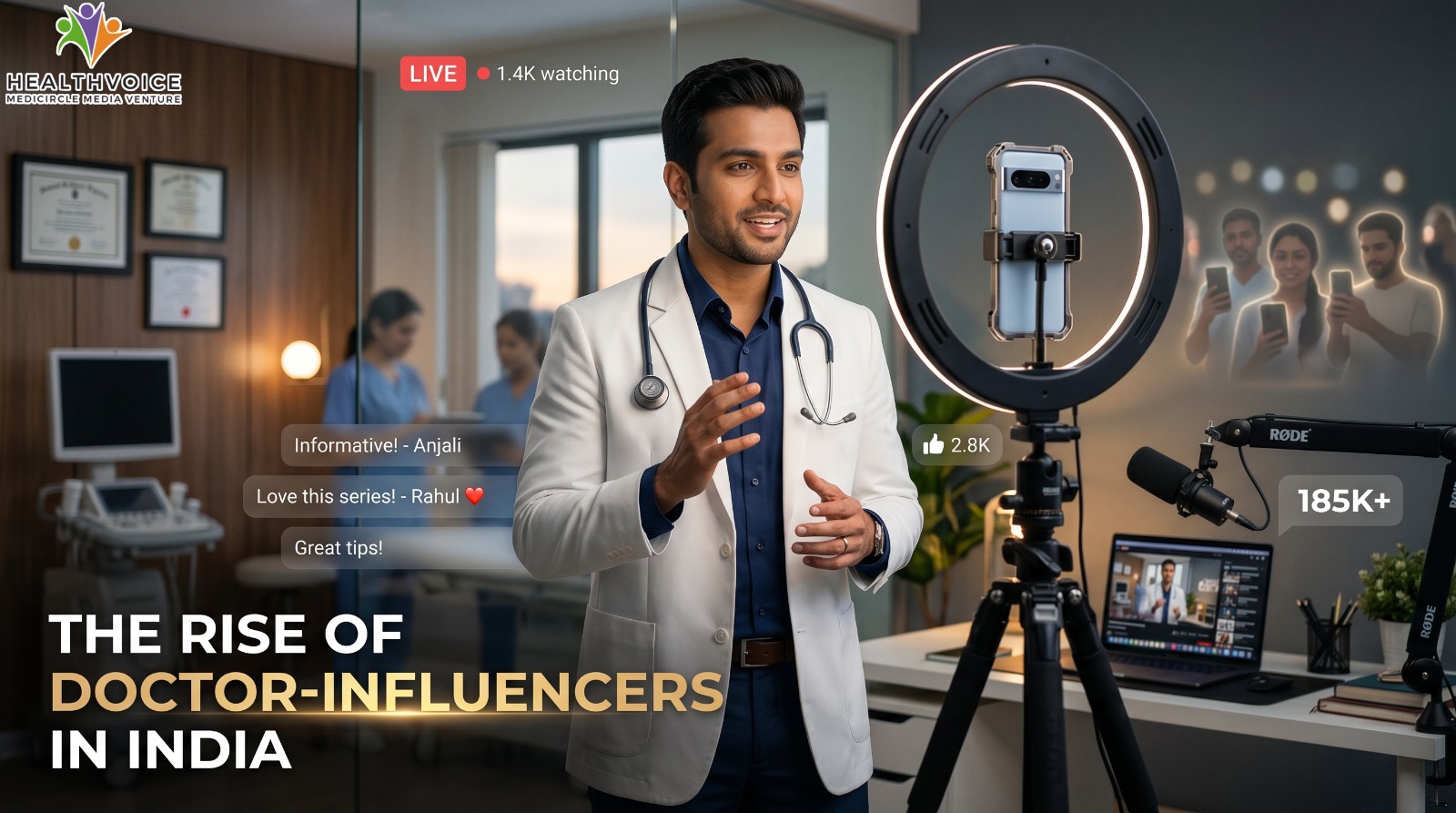
The Impact of Doctor-Influencers on Indian Healthcare
In the past, receiving medical advice required waiting in a clinical setting for an extended duration. You would present your concerns to a physician and receive a handwritten note for treatment. However, the modern era has shifted this experience. Today, many citizens in India encounter their first medical guidance of the day through a smartphone. Whether it is a viral video regarding gut health or an explanation of a new vaccine, doctor-influencers have moved the medical dialogue from private offices into the public digital square.
This transition represents more than a social media trend; it is a total transformation of how our nation accesses healthcare information. In a region where home remedies and unverified messages often spread faster than clinical facts, these digital professionals provide a necessary voice of reason. By utilizing influencer marketing strategies, regional languages, and relatable content, they are turning healthcare from a rigid lecture into an engaging and helpful conversation.
Why Doctors Go Digital
The rapid growth of internet access across India has fundamentally changed how we address illness. When we notice a physical symptom or seek dietary advice, we no longer wait for a physical appointment. Instead, we look for a health expert online. Medical professionals have realized that if they do not occupy these digital spaces, harmful misinformation will fill the void.
Fighting Fake News
The concept of "WhatsApp University" is a well-known issue in India, spreading dangerous health myths daily. By establishing themselves as doctor-influencers, professionals can stop the spread of harmful advice. They can replace unverified claims about "miracle oils" with evidence-based medical science. This proactive approach protects the public from sophisticated health scams that often target vulnerable individuals.
Direct Patient Connections
Digital platforms allow specialists to reach populations they would never encounter in a traditional hospital. A top physician in a metropolitan city can now educate a parent in a remote village about essential newborn care. This direct line of communication is successfully removing the barriers of distance and high costs that have historically limited medical access in India.
Simplifying Medical Jargon
A primary obstacle in the Indian medical system has always been the language barrier. Most medical literature is written in complex English, making clinical terms feel inaccessible. Doctor-influencers are solving this by acting as cultural and linguistic translators for the general public.
Benefits of Local Languages
When a professional explains chronic disease management in fluent Hindi, Bengali, or Tamil, the information becomes personal and easy to digest. If a patient understands the logic behind a medical suggestion in their own mother tongue, the likelihood of them following the treatment plan increases significantly.
Humanizing the Medical Role
For many, the medical profession can seem intimidating or cold. On social media, we see these experts as real individuals. They share their daily routines, fitness habits, and even their personal health journeys. This relatability fosters a deep sense of trust. When a patient feels a connection to an expert, they are less likely to hide symptoms due to embarrassment or fear.
Medical Social Media Challenges
While the benefits of this movement are clear, the rise of medical social media presents unique pitfalls. The nature of influencer marketing often rewards high-energy excitement over quiet accuracy. In the digital world, the pressure to remain visible can sometimes lead to risky shortcuts.
H3: Short Video Risks
Medicine is a science that relies on specific details, but social media thrives on snapshots. It is impossible to explain the full scope of a cardiovascular condition or a mental health disorder in a sixty-second clip. There is a constant risk that a viewer might take a general health tip and apply it as a personalized medical order, leading to dangerous self-diagnosis.
Ethics and NMC Rules
In India, medical professionals must follow strict ethical standards. The National Medical Commission (NMC) has established clear rules for digital conduct. Professionals are strictly prohibited from endorsing specific drug brands or accepting money to promote unverified health supplements. Maintaining professional integrity while expanding a follower base is a difficult task that every digital health expert must navigate with care.
Spotting a Reliable Expert
As a digital consumer, you must be critical of the content you view. Not every person in a white coat provides a complete or accurate picture. To ensure you are following a legitimate health expert, consider these steps:
- Verify Professional Credentials: A genuine expert will list specific qualifications like MBBS or MD in their profile. You should cross-check these names on the official National Medical Commission registers.
- Avoid Miracle Promises: If an account promises that a single product will cure a chronic disease in a few days, they are likely prioritizing social media engagement over your actual health.
- Identify Scientific Sources: Reliable doctor-influencers will frequently mention the clinical studies or official health guidelines they are following.
Using Digital Health Information
To gain the most value from digital medical content without incurring personal risk, follow this structured process:
- Seek General Awareness: Use social media to discover new health trends or symptoms you did not know about previously.
- Confirm the Source: Ensure the individual providing the advice is a qualified specialist in that particular area of medicine.
- Note Your Questions: If a piece of content applies to your life, write down the specific questions it creates.
- Consult Your Physician: Bring those questions to your local doctor during your next physical visit. You must never alter your prescribed medication based only on a digital video.
Frequently Asked Questions
Is it appropriate to ask a doctor-influencer for a personal prescription?
No. A medical professional cannot safely prescribe drugs without a physical exam and a review of your history. Most will ignore these requests to follow legal and ethical standards.
Do doctors earn money from influencer marketing?
Some professionals earn revenue through platform ads or official brand partnerships. However, ethical experts will always disclose when a post is sponsored and will never promote a product that lacks scientific evidence.
Can I trust a medical expert who uses humor or dancing in videos?
Expertise and entertainment can exist together. If the medical facts are accurate and the professional remains respectful, their creative style does not reduce their medical capability.
The Future of Healthcare
The rise of doctor-influencers is a positive development for the Indian health landscape. It has transformed expert knowledge into a common resource rather than a guarded luxury. By converting complex science into relatable content, these professionals are empowering millions of citizens to prioritize their well-being.
However, the most vital lesson is that digital content serves as a tool for education. It is not a replacement for a professional clinical diagnosis. As we move forward, the relationship should be a partnership. You should allow digital experts to inform you, but you must allow your local physician to treat you. By remaining curious and cautious, we can all benefit from the vast amount of knowledge available online.
 Team Healthvoice
#DoctorInfluencers #DigitalHealthcareIndia