Medicine beyond clinical practice
Medicine beyond clinical practice empowers individuals to actively manage their health through education, daily lifestyle choices, and human-centered care, bridging the gap between medical advice and real-life wellness decisions.
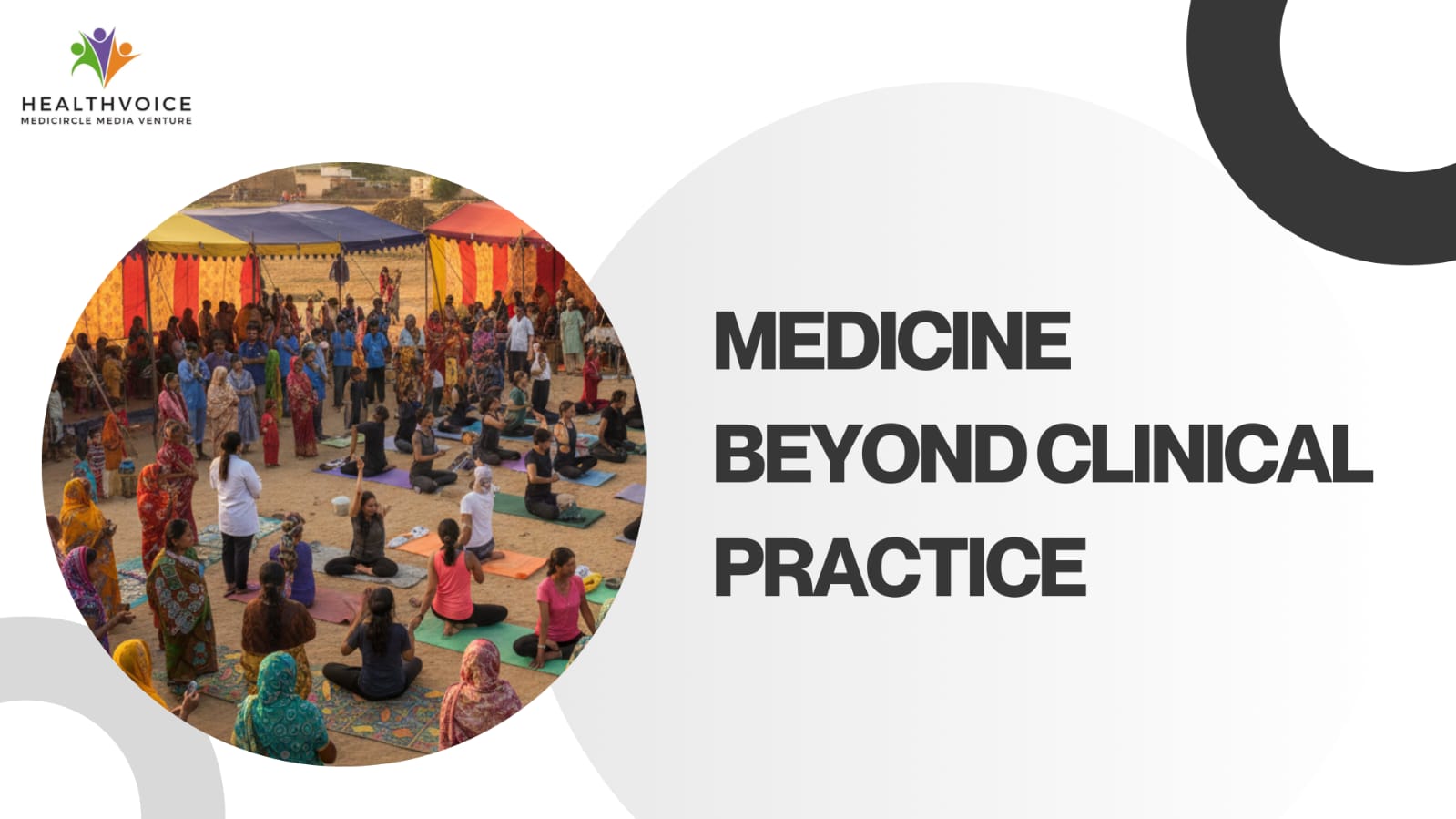
Many people share a common experience in healthcare. They spend time in a clinic waiting room, have a brief conversation with a doctor, and leave with instructions. Yet they often still hold onto unanswered questions about what their health truly needs. The standard approach to medicine focuses on identifying a problem, making a diagnosis, and providing treatment. This model is important, but it can feel incomplete. Lasting health is not created solely during medical appointments. It is built through the daily decisions made at home and in everyday life.
This idea marks the beginning of a different path. It involves a shift from receiving care passively to participating actively in your well-being. You live in your body each day, which makes you the central member of your health team. The journey moves from simply following advice to deeply understanding your own health.
From Prescription to Practice:
A significant gap often exists between medical guidance and practical application. A doctor may advise reducing sugar intake or managing stress. Understanding what that means during a hectic day, a social event, or a moment of fatigue is another matter. The instruction is clear, but the method for integrating it into a routine is not always provided.
Closing this gap is essential for sustainable wellness. The objective is to transform complex health information into usable knowledge. This process is about moving beyond mere instructions to grasp the underlying reasons for them. Knowing why certain lifestyle choices impact your blood pressure or digestion enables you to make informed decisions. This approach prepares you for more productive discussions during doctor visits. Arriving with knowledge and specific questions fosters a partnership in your care.
Creating a Practical Foundation:
What does this active role look like in practice? It involves access to trustworthy and structured health education that applies to real situations. Consider it assembling a personal set of tools for wellness.
These tools include reliable resources and learning programs for managing health. Comprehensive courses might offer guidance on creating an eating plan for stable energy, understanding digestive health, or adopting methods for better sleep. This represents more than a collection of simple tips. It is a system for learning that focuses on root causes and supports the development of lasting habits.
This concept forms the core of preventive health. Rather than waiting for a minor signal to become a major issue, you learn to interpret your body’s cues. You can then take supportive action earlier. This knowledge builds confidence to make choices that support long-term resilience. In this way, a clinic appointment becomes a collaborative review, not the only source of health understanding.
The Heart of Healing:
Contemporary medicine frequently discusses technology and artificial intelligence. Machines can process information rapidly and identify patterns. These tools have a valuable role, yet they possess clear boundaries.
Health is inherently personal. It is interwoven with individual stories, emotions, and life circumstances. A machine can propose a treatment based on data, but it cannot offer genuine empathy or comfort. It cannot understand how personal responsibilities or stresses affect a person’s life. The strength to confront a health issue and the commitment to maintain new habits spring from human connection and support.
The most effective future for healthcare likely combines these strengths. Technology can manage data to support accuracy, while human professionals focus on guidance, connection, and care. Your role is to bring your personal experience and knowledge into a partnership with providers who see you as a complete person.
Taking the First Step:
Your health narrative is written daily through your actions, your food choices, your movement, and how you manage challenges. The most significant step is choosing to participate actively in writing that story.
Begin by looking for credible sources of health information that focus on education. Use this knowledge to engage more fully in your care. Prepare questions for your appointments. Seek to understand the purpose behind health advice. Consistent, small actions build a story of increased vitality and control.
Platforms dedicated to true health literacy, such as HealthVoice.in, exist to support this path. They work to connect medical knowledge with everyday experience, providing people with empowering understanding.
You are more than a medical chart. You are a person with the ability to learn, adjust, and flourish. By embracing the power of knowledge, you change your role in healthcare. You become the author of your well-being with a confident voice in your health decisions. The opportunity to write a healthier next chapter continues each day.
 Team Healthvoice
#PreventiveHealthcare #HealthLiteracy #PatientEmpowerment #HolisticHealth #WellnessJourney #ActiveHealth #PatientCenteredCare #HealthEducation #LifestyleMedicine #ChronicDiseasePrevention #SelfCareMatters #mindbodyhealth #HealthcareTransformation #DigitalHealth #AIinHealthcare #HealthAwareness #WellbeingFirst #HealthyHabits #MedicalInnovation #healthvoice
