The Qualities That Define a Great Clinical Leader in 2026
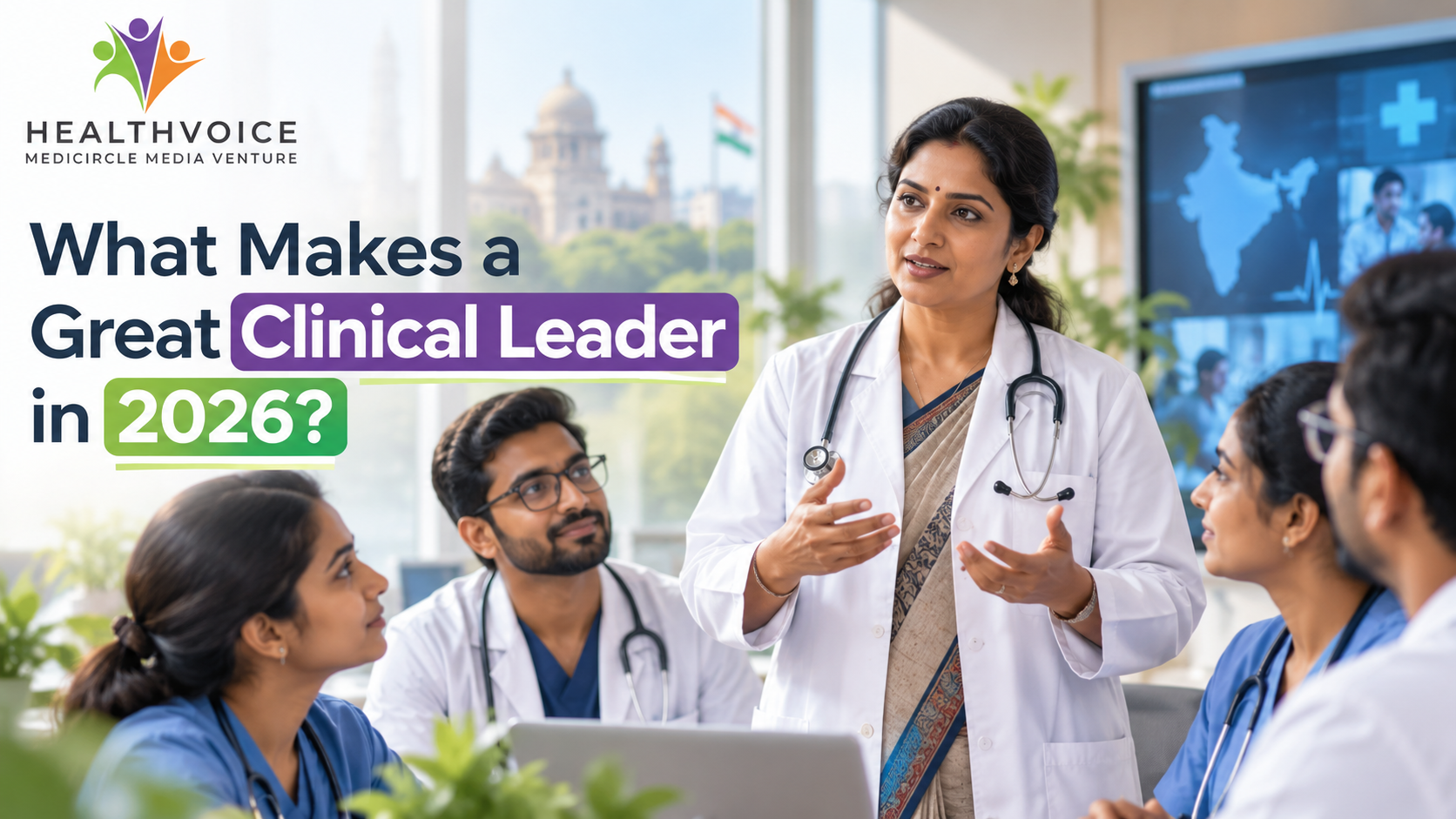
Great clinical leaders in 2026 combine clinical credibility, emotional intelligence, digital fluency, and ethical grounding to build high-performing teams and improve patient outcomes across India's evolving healthcare landscape.
Introduction
Healthcare in India is at a defining crossroads. The country is navigating a post-pandemic recovery, accelerating its digital health infrastructure under the Ayushman Bharat Digital Mission, expanding its workforce through new medical colleges, and grappling with the persistent challenge of delivering quality care equitably across a vast and diverse population. In this environment, clinical leadership has emerged not just as a desirable quality but as a critical necessity.
A great clinical leader in 2026 is not simply the most experienced doctor in the room. The role demands something far broader: the ability to inspire a team, navigate complexity, integrate technology thoughtfully, uphold ethical standards under pressure, and keep patient outcomes at the center of every decision. Across India's public hospitals, private health systems, and community health centers, the need for such leadership has never been more urgent.
HealthVoice, which exists to amplify the voices of doctors, associations, and healthcare communities across India, recognizes that clinical leadership is one of the most important conversations the medical profession must have in 2026. This article explores what truly makes a great clinical leader today and what the Indian healthcare ecosystem must do to cultivate more of them.
Understanding Clinical Leadership: Beyond the Senior Doctor
Clinical leadership is frequently misunderstood as simply being the most qualified or longest-serving member of a medical team. In reality, it is a distinct set of competencies that sit at the intersection of clinical expertise, people management, systems thinking, and ethical responsibility.
The concept has evolved significantly over the past decade. International frameworks such as the Medical Leadership Competency Framework developed in the United Kingdom and adapted across several Asian health systems define clinical leadership as the active participation of clinicians in the planning, delivery, and transformation of health services. In the Indian context, the National Medical Commission and bodies such as NABH have increasingly emphasized leadership capacity as part of quality healthcare delivery standards.
What distinguishes clinical leadership from administrative hospital management is its grounding in lived clinical experience. A clinical leader understands what a ward feels like at 3 AM, what a nurse faces during a staffing shortage, and what a patient's family needs when the situation is uncertain. This insider understanding, combined with the skills to act constructively on it, is what makes clinical leadership irreplaceable.
Core Qualities of a Great Clinical Leader in 2026
Clinical Credibility as the Non-Negotiable Foundation
Every other quality a clinical leader possesses rests on a foundation of clinical credibility. Colleagues, nursing staff, residents, and patients all need to trust that the person leading them knows medicine deeply and practices it with integrity.
In 2026, clinical credibility also includes staying current. With new treatment guidelines emerging from bodies like the Indian Council of Medical Research, the World Health Organization, and major specialty associations, a clinical leader who stops updating their knowledge loses the confidence of their team. Continuous medical education, journal engagement, and active case participation are not optional for those in leadership positions. They are part of the role.
Emotional Intelligence and the Human Dimension of Leadership
One of the most significant shifts in how healthcare institutions across India evaluate their senior clinicians is the growing recognition of emotional intelligence as a leadership skill rather than a personality bonus. Great clinical leaders in 2026 understand their own emotional responses under pressure, read their team's morale accurately, and respond to interpersonal conflict with maturity rather than hierarchy.
In a country where healthcare teams are often under extraordinary stress from high patient loads, infrastructure gaps, and emotional exposure to suffering, a leader who lacks emotional intelligence can fracture a team quickly. By contrast, a leader who listens actively, acknowledges difficulty honestly, and maintains composure during crises becomes the stabilizing force that holds care quality together.
Communication That Builds Trust Across All Levels
A great clinical leader must communicate clearly and effectively with multiple audiences simultaneously. This includes explaining a complex diagnosis to a patient's family in a language they understand, presenting a quality improvement proposal to hospital management, briefing a junior resident about a clinical error without humiliating them, and advocating for a team's needs in an administrative meeting.
The ability to adjust tone, vocabulary, and approach depending on the audience is a sophisticated communication skill that not all experienced clinicians naturally develop. Formal mentorship programs, communication training within medical postgraduate curricula, and peer learning through platforms like HealthVoice all play a role in helping Indian doctors build this capability.
Data Literacy and Digital Health Fluency
India's healthcare landscape is being reshaped by digital infrastructure at a pace not seen before. The Ayushman Bharat Digital Mission has established a national digital health ecosystem that includes the Ayushman Bharat Health Account for citizens, linked health records, and interoperable systems across facilities. Telemedicine has expanded dramatically since 2020, and AI-assisted diagnostics are beginning to enter both urban tertiary care settings and, through mobile health initiatives, rural communities.
A clinical leader in 2026 who does not understand data is at a serious disadvantage. Reading outcome dashboards, understanding quality metrics, interpreting epidemiological data, and making sense of AI-generated insights are now core functions of clinical leadership in progressive health institutions. This does not mean every clinical leader must be a data scientist. It means they must be data-literate enough to ask the right questions, challenge flawed numbers, and use evidence to drive better decisions for their teams and patients.
Ethical Grounding in a Complex Healthcare Environment
India's healthcare sector presents clinical leaders with ethical challenges that are both universal and distinctly local. Resource allocation in underfunded public hospitals, the pressure to recommend unnecessary investigations in certain private settings, the handling of medical errors transparently, navigating end-of-life care decisions within families of diverse cultural backgrounds: these are situations where ethical clarity is the difference between leadership and moral failure.
Great clinical leaders in 2026 do not treat ethics as an abstract principle. They embed it into daily practice, model ethical behavior visibly for their teams, and create cultures where junior staff feel safe raising concerns without fear of reprisal. The National Medical Commission's updated professional conduct guidelines provide a framework, but it is the clinical leader who brings that framework to life within their institution.
How Great Clinical Leaders Build and Sustain High-Performing Teams
Creating Psychological Safety in Healthcare Settings
The concept of psychological safety, established through research on high-performing teams across industries, has powerful applications in healthcare. In a psychologically safe team, a nurse feels comfortable telling a senior consultant that a medication dose seems incorrect. A junior resident feels able to say they have not encountered a procedure before and need guidance. An attending physician feels comfortable acknowledging uncertainty in front of colleagues.
Great clinical leaders foster this environment deliberately. They respond to mistakes with a focus on learning rather than blame. They invite dissent and different perspectives in clinical discussions. They make it clear through their consistent behavior that honesty is valued over the appearance of infallibility. In Indian hospital settings, where hierarchical culture can be deeply embedded, this requires both intention and persistence from senior clinicians.
Mentoring the Next Generation of Indian Doctors
India's medical workforce is one of the youngest and fastest-growing in the world, with thousands of MBBS graduates entering the profession every year through the expanded medical college infrastructure. Clinical leaders who invest in mentoring these doctors are not simply being generous. They are building the human capital that India's healthcare system depends on for its future quality.
Effective clinical mentoring goes beyond supervising clinical procedures. It involves guiding professional identity formation, modeling ethical conduct, providing honest feedback about strengths and areas for growth, and connecting emerging doctors with broader professional communities. Medical associations, NMC-affiliated teaching hospitals, and platforms focused on professional doctor engagement all have a role to play in institutionalizing mentorship rather than leaving it to informal arrangements.
Clinical Leadership in the Indian Public Health Context
Leading Within Resource-Constrained Environments
A significant proportion of India's clinical leaders work within public health systems where resources are limited, staffing is stretched, and infrastructure varies enormously between facilities. Leadership in these environments demands a specific kind of resilience and creativity that differs from leading in a well-resourced private tertiary care hospital.
Public sector clinical leaders must prioritize ruthlessly, advocate effectively for their teams at the policy level, and find ways to maintain care quality under conditions that would frustrate less committed professionals. Schemes like Ayushman Bharat and the National Health Mission have brought additional resources and accountability into the public system, and clinical leaders who can work effectively within these frameworks are increasingly valuable.
The Role of Medical Associations in Developing Clinical Leaders
Medical associations across India, including the Indian Medical Association and specialty bodies covering cardiology, oncology, pediatrics, and many other disciplines, are positioned to play a significant role in the structured development of clinical leadership. Beyond their traditional functions of advocacy and professional regulation, associations can offer leadership training programs, peer networks, and forums where experienced clinical leaders share knowledge with emerging ones.
HealthVoice serves as a connector for these communities, giving medical associations a credible digital platform through which they can reach their members with leadership development content, highlight the achievements of exemplary clinical leaders, and foster the kinds of professional conversations that elevate practice standards across India.
The Future of Clinical Leadership in India
The defining clinical leaders of the next decade in India will be those who combine deep clinical knowledge with the humility to keep learning, the emotional maturity to lead diverse teams with compassion, the digital literacy to work effectively in a technology-integrated health system, and the ethical clarity to make difficult decisions with integrity.
This combination is not common, but it is not rare either. It is cultivated through experience, through deliberate reflection, through mentorship, and through engagement with professional communities that hold high standards. As India continues building toward universal health coverage and a more equitable, technology-enabled healthcare system, great clinical leaders will be among its most important assets.
Frequently Asked Questions
Q1: What is the difference between clinical leadership and hospital administration?
Clinical leadership is driven by practicing clinicians who guide patient care quality, team culture, and clinical outcomes from within the care setting. Hospital administration focuses on operational, financial, and structural management. Great clinical leaders bridge both worlds by understanding systems while staying grounded in clinical practice.
Q2: Why is clinical leadership important in Indian hospitals?
India's healthcare system faces challenges including workforce shortages, uneven quality standards, and rising patient expectations. Clinical leaders help translate national health policies into ground-level outcomes and are essential for improving care quality across both public and private sectors.
Q3: What skills does a clinical leader need in 2026?
A clinical leader in 2026 needs clinical expertise, emotional intelligence, data literacy, digital health fluency, strong communication skills, ethical decision-making ability, and the capacity to mentor and inspire healthcare teams across diverse settings.
Q4: How can Indian doctors develop clinical leadership skills?
Indian doctors can develop clinical leadership skills through formal postgraduate training in health management, professional development programs offered by medical associations, mentorship from senior healthcare leaders, and active participation in hospital quality improvement committees.
Q5: What role does digital health play in clinical leadership today?
Digital health is now central to clinical leadership. Leaders must understand electronic health records, telemedicine platforms, AI-assisted diagnostics, and India's Ayushman Bharat Digital Mission infrastructure to lead care teams effectively in a technology-driven healthcare environment.
Resources
- Indian Council of Medical Research (ICMR): Guidelines, research publications, and clinical guidance for Indian healthcare professionals.
- National Medical Commission (NMC): Regulatory framework, professional conduct standards, and medical education guidelines for Indian doctors.
- World Health Organization, India Country Office: Global and regional health leadership frameworks, workforce development guidance, and public health data.
- National Accreditation Board for Hospitals and Healthcare Providers (NABH): Quality and accreditation standards relevant to clinical governance and hospital leadership in India.
- Ayushman Bharat Digital Mission (ABDM): India's national digital health infrastructure documentation and policy resources for clinical teams integrating digital health into practice.
Interlinking Keywords
Clinical leadership qualities, healthcare leadership India, hospital management skills, doctor mentorship India, digital health ABDM, medical team communication, clinical governance, psychological safety healthcare, Ayushman Bharat clinical teams, NABH quality standards, NMC professional conduct, public health leadership India
Last reviewed by:
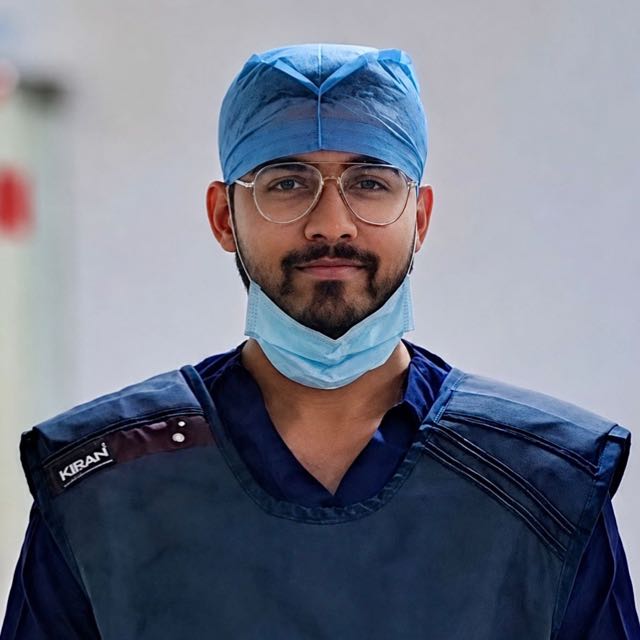
Dr. Manthan Tripathi, HealthVoice Editorial and Medical Advisory Team, September 15, 2026
Disclaimer
This article is intended for informational and professional education purposes only. It does not constitute clinical advice, medical diagnosis, or a substitute for personalized guidance from a qualified healthcare professional. Readers are encouraged to consult appropriate medical or institutional authorities for decisions related to clinical practice and healthcare management. HealthVoice publishes content to support professional awareness and does not endorse any specific individual, institution, or commercial product mentioned in its articles.
 Dr. Manthan Tripathi
#ClinicalLeadership #HealthcareLeadership