Understanding PCOS Symptoms in Women
Understanding the symptoms of pc os involves recognizing hormonal, emotional, and metabolic patterns that influence daily health and long-term well-being. Awareness of polycystic ovary signs, lifestyle triggers, and hormonal behavior helps women better understand symptom progression and support overall hormonal balance.
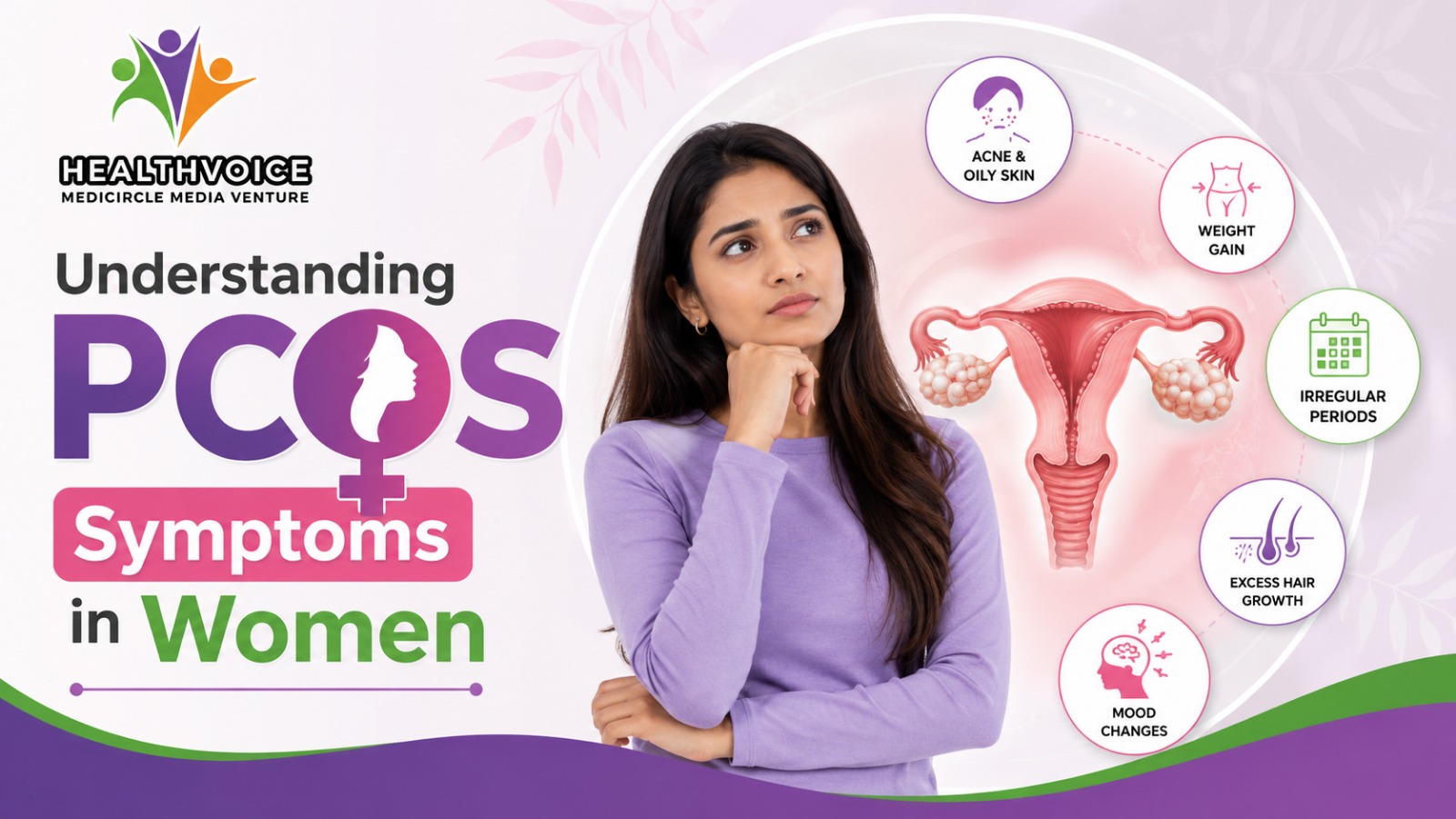
Understanding PCOS Symptoms in Women
Many women notice small changes in their body long before they realize something hormonal may be happening. Irregular cycles, unusual hair growth, mood shifts, or unexplained weight changes are often dismissed as stress or lifestyle imbalance. Yet these can be early symptoms of pc os that quietly develop over time. Understanding these signals matters because PCOS is not just about periods or fertility. It affects metabolism, hormones, emotional well-being, and long-term health patterns in ways that are often misunderstood.
Why PCOS Symptoms Often Go Unnoticed for Years
One reason PCOS becomes difficult to identify early is that its symptoms rarely appear all at once. Many women experience subtle hormonal shifts during teenage years or early adulthood and assume they are temporary. A person may notice acne in one phase, irregular cycles later, and hair-related changes years afterward without connecting them together.
This gradual progression makes PCOS different from conditions that show immediate and obvious warning signs. In real life, symptoms often overlap with modern lifestyle patterns. Stress, poor sleep, processed diets, irregular work schedules, and emotional exhaustion can make hormonal imbalance appear “normal.” Because of this, women may continue functioning through symptoms instead of recognizing them as signs of a deeper hormonal issue.
Another reason is variation. Not every woman experiences the same set of polycystic ovary signs. Some struggle with weight gain while others remain physically lean. Some have severe cycle irregularity while others experience mostly skin and hair-related symptoms. This inconsistency often creates confusion and delays understanding.
Globally, awareness has improved, especially among younger women and working professionals who actively search for health-related information online. Yet misinformation still causes many women to self-diagnose based on isolated symptoms rather than understanding the broader hormonal pattern behind PCOS.
How Hormonal Imbalance Shapes the Symptoms of PCOS
PCOS develops through a complex interaction between hormones, metabolism, and the body’s insulin response. While many people associate it only with ovarian cysts, the condition is more deeply connected to how hormones communicate within the body.
In women with PCOS, androgen levels may rise higher than normal. These hormones are commonly associated with male characteristics, but women naturally produce them too. The problem begins when hormonal balance shifts and the body becomes more sensitive to these changes.
This explains why symptoms often appear externally before internal imbalance is recognized. For example, pcos excess hair growth happens because androgen activity stimulates hair follicles differently in certain areas of the body. Similarly, pcos and chin hair become noticeable because facial follicles respond strongly to hormonal changes.
At the same time, hormonal imbalance can affect scalp health. Many women experience thinning around the crown area or widening hair partitions. These pcos hair symptoms are emotionally distressing because they influence appearance and confidence simultaneously.
Hormones also influence emotional regulation. This is why many women experience anxiety, mood instability, or pcos symptoms depression alongside physical symptoms. Hormonal fluctuations affect sleep quality, energy patterns, stress response, and emotional resilience in ways that are often underestimated.
The body rarely treats hormonal imbalance as an isolated event. Once hormone communication changes, multiple systems begin responding together.
Why Menstrual Changes Are Often the Earliest Signal
Cycle irregularity is one of the earliest indicators of PCOS, but many women normalize it for years. Irregular periods are often misunderstood as a temporary issue linked to stress, work pressure, travel, or diet changes.
In reality, ovulation irregularity plays a central role in PCOS. Some women experience missed cycles while others notice unusual timing patterns such as early periods in pcos. This happens because hormone signaling between the ovaries and brain becomes inconsistent.
What makes this confusing is that menstrual irregularity does not always appear dramatic initially. Some women still get monthly periods but notice changes in flow, pain intensity, clotting, or duration. Others may skip months entirely and then suddenly experience heavy bleeding.
These variations make it difficult for women to identify what is normal. In modern lifestyles where routines constantly change, irregularity often gets ignored until symptoms begin affecting daily functioning.
There is also an emotional side to menstrual unpredictability. Many women begin planning social events, travel, or work schedules around uncertainty. Over time, this unpredictability creates mental stress that further affects hormonal stability.
Understanding menstrual changes as early hormonal communication rather than isolated inconvenience can help women recognize patterns sooner.
The Emotional and Psychological Side of PCOS
The emotional impact of PCOS is often underestimated because discussions usually focus on visible symptoms. Yet for many women, the psychological effects become more difficult than the physical ones.
Changes in appearance caused by acne, weight fluctuations, or polycystic ovary hair loss can affect confidence deeply. In social and professional environments where appearance influences self-perception, these changes may create emotional withdrawal or self-consciousness.
Mood-related symptoms are also common because hormones influence neurotransmitters connected to emotional regulation. Women dealing with pcos symptoms depression may feel emotionally exhausted without fully understanding why.
The unpredictability of symptoms adds another layer. A woman may spend months improving her routine only to experience sudden flare-ups again. This inconsistency often creates frustration because progress feels unstable.
Many women also describe feeling misunderstood. Since PCOS symptoms vary widely, people around them may dismiss concerns as stress, laziness, or poor lifestyle choices. This lack of understanding can make emotional isolation worse.
Common Emotional Patterns Women Often Experience
- Constant self-monitoring creates emotional fatigueWomen with visible symptoms often become highly aware of body changes. Hair fall, facial hair, or weight fluctuations may lead to daily stress cycles that affect confidence and emotional stability over time.
- Unpredictable symptoms influence long-term routine planningIrregular cycles and fluctuating energy levels can disrupt productivity, social schedules, and personal planning. This unpredictability sometimes causes emotional frustration more than the physical symptoms themselves.
- Comparison culture intensifies body image concernsSocial media and beauty standards can increase emotional pressure, especially for younger women experiencing visible hormonal symptoms. Many begin comparing themselves to unrealistic expectations without understanding the biological reasons behind their symptoms.
How Lifestyle Patterns Influence PCOS Severity
Lifestyle does not directly “cause” PCOS in every case, but it strongly affects symptom intensity and hormonal balance. Sleep patterns, stress levels, movement, eating habits, and screen-heavy routines all influence how the body responds hormonally.
One major factor is insulin resistance. Many women with PCOS develop increased insulin sensitivity issues, meaning the body struggles to regulate blood sugar efficiently. This affects cravings, energy levels, weight patterns, and hormone production simultaneously.
Modern lifestyles unintentionally support this imbalance. Long sitting hours, irregular eating schedules, excessive caffeine intake, processed food consumption, and poor sleep all increase stress on metabolic systems.
Environmental factors also matter. Urban routines with low physical movement and high stress exposure often intensify symptoms faster than balanced routines with stable sleep and activity patterns.
This does not mean women must pursue perfection. The body responds more positively to consistent balance than extreme restrictions. Sustainable habits usually improve hormonal regulation more effectively than temporary intense changes.
Why PCOS Symptoms Differ Across Women
One of the most misunderstood aspects of PCOS is symptom variation. Two women with the same diagnosis may experience completely different symptoms and severity levels.
Some women mainly experience skin and hair-related symptoms. Others struggle more with fatigue, emotional imbalance, or menstrual irregularity. Genetics, metabolism, stress exposure, lifestyle, and insulin response all influence symptom patterns.
Age also changes symptom presentation. Teenagers may first notice acne and irregular cycles, while adult women may become more aware of fertility concerns or metabolic changes later.
Even body type affects perception. Lean women with PCOS are often overlooked because society commonly associates PCOS only with weight gain. This delays awareness and diagnosis for many individuals who do not match the stereotypical image of the condition.
How PCOS Commonly Appears in Different Life Stages
- Teenage years often show skin and cycle-related symptomsAcne, irregular periods, and oily skin are common during adolescence. These signs are frequently dismissed as “normal puberty,” delaying deeper hormonal understanding.
- Young adults may notice emotional and metabolic changesStress-heavy work or study routines can intensify fatigue, cravings, and emotional fluctuations, making hormonal imbalance more visible during this phase.
- Later adulthood may reveal long-term health patternsWomen may become more aware of the broader effects of pcos on health, including metabolic concerns, sleep disruption, and persistent hormonal symptoms that evolve over time.
Understanding the Long-Term Effects of PCOS on Health
PCOS is often discussed mainly in relation to fertility, but its long-term impact extends much further. Hormonal imbalance affects metabolic health, emotional well-being, sleep quality, inflammation patterns, and cardiovascular health over time.
Women who ignore symptoms for years may experience stronger metabolic disruptions later. This includes energy instability, persistent fatigue, and difficulty maintaining consistent body regulation.
The emotional impact can also become cumulative. Long-term stress from unmanaged symptoms may affect relationships, work confidence, and mental resilience.
However, awareness changes outcomes significantly. Women who understand their symptoms early often make better lifestyle adjustments and recognize triggers faster. This improves long-term adaptability and helps reduce symptom severity gradually.
The goal is not fear or perfection. It is understanding patterns before they become deeply disruptive.
Conclusion
Understanding the symptoms of pc os requires looking beyond isolated signs and recognizing the broader hormonal patterns influencing the body. PCOS affects physical health, emotional balance, metabolism, and everyday life in interconnected ways that often develop gradually over time.
Recognizing early polycystic ovary signs, understanding hormonal behavior, and observing personal symptom patterns can help women respond with greater awareness and confidence. The more informed the understanding becomes, the easier it is to adapt routines, reduce confusion, and support long-term well-being.
Frequently Asked Questions (FAQs)
1. Can PCOS symptoms start even if periods are still regular?
Yes, many women experience early symptoms of pc os even while having seemingly regular cycles. Hormonal imbalance may first appear through acne, mood shifts, fatigue, or subtle pcos hair symptoms before menstrual irregularity becomes obvious. This is why many cases remain unnoticed during the early stages.
2. Why does PCOS cause facial hair growth in some women?
Hormonal imbalance linked to androgen activity often leads to pcos excess hair growth, especially around the chin, jawline, or neck. This is why pcos and chin hair becomes one of the most emotionally noticeable signs for many women dealing with long-term hormonal changes.
3. Is hair thinning always connected to PCOS?
Not always, but polycystic ovary hair loss is common in women with hormonal imbalance. Increased androgen sensitivity can weaken scalp follicles over time, leading to thinning around the crown area. These pcos hair symptoms often develop gradually rather than suddenly.
4. Can stress make PCOS symptoms worse?
Yes, stress can intensify hormonal fluctuations and worsen the overall effects of pcos on health. Poor sleep, emotional burnout, and constant stress exposure influence cortisol and insulin behavior, which may increase fatigue, cravings, and hormonal instability.
5. Why do some women with PCOS experience depression or emotional changes?
Hormones affect neurotransmitters connected to mood and emotional regulation. This is why many women experience anxiety, emotional exhaustion, or pcos symptoms depression alongside physical symptoms. Lifestyle stress and body image concerns can also increase emotional strain over time.
6. Are early periods a sign of hormonal imbalance in PCOS?
Yes, early periods in pcos may happen when ovulation patterns become irregular due to hormonal disruption. Some women experience shorter cycles while others skip periods entirely, showing how differently the body responds to hormonal imbalance.
7. Why do PCOS symptoms vary so much from person to person?
PCOS is influenced by genetics, insulin response, lifestyle patterns, and hormonal sensitivity. Some women mainly notice polycystic ovary signs related to skin and hair, while others experience emotional, metabolic, or cycle-related symptoms more strongly.
8. Can lean women also have PCOS symptoms?
Yes, body weight alone does not define PCOS. Many lean women experience clear symptoms of pc os, including irregular cycles, acne, or pcos excess hair growth. This is why relying only on physical appearance can delay proper understanding of hormonal imbalance.
9. How do lifestyle habits influence long-term PCOS symptoms?
Daily routines strongly affect hormone regulation. Sleep quality, processed food intake, stress levels, and inactivity can increase the overall effects of pcos on health. Balanced routines and consistent habits often help reduce symptom intensity over time.
10. Why is early awareness of PCOS symptoms important?
Recognizing polycystic ovary signs early helps women understand hormonal patterns before symptoms become more disruptive. Awareness supports better lifestyle adaptation, emotional understanding, and long-term management of hormonal imbalance and related health changes.
 Team Healthvoice
#PCOS #WomensHealth