Real-World Evidence in Indian Clinical Practice: Why It Matters Beyond Randomized Trials
Real-World Evidence uses everyday health data to improve medical treatments in India. By looking beyond controlled trials, it offers safer, personalized care for the unique Indian population.
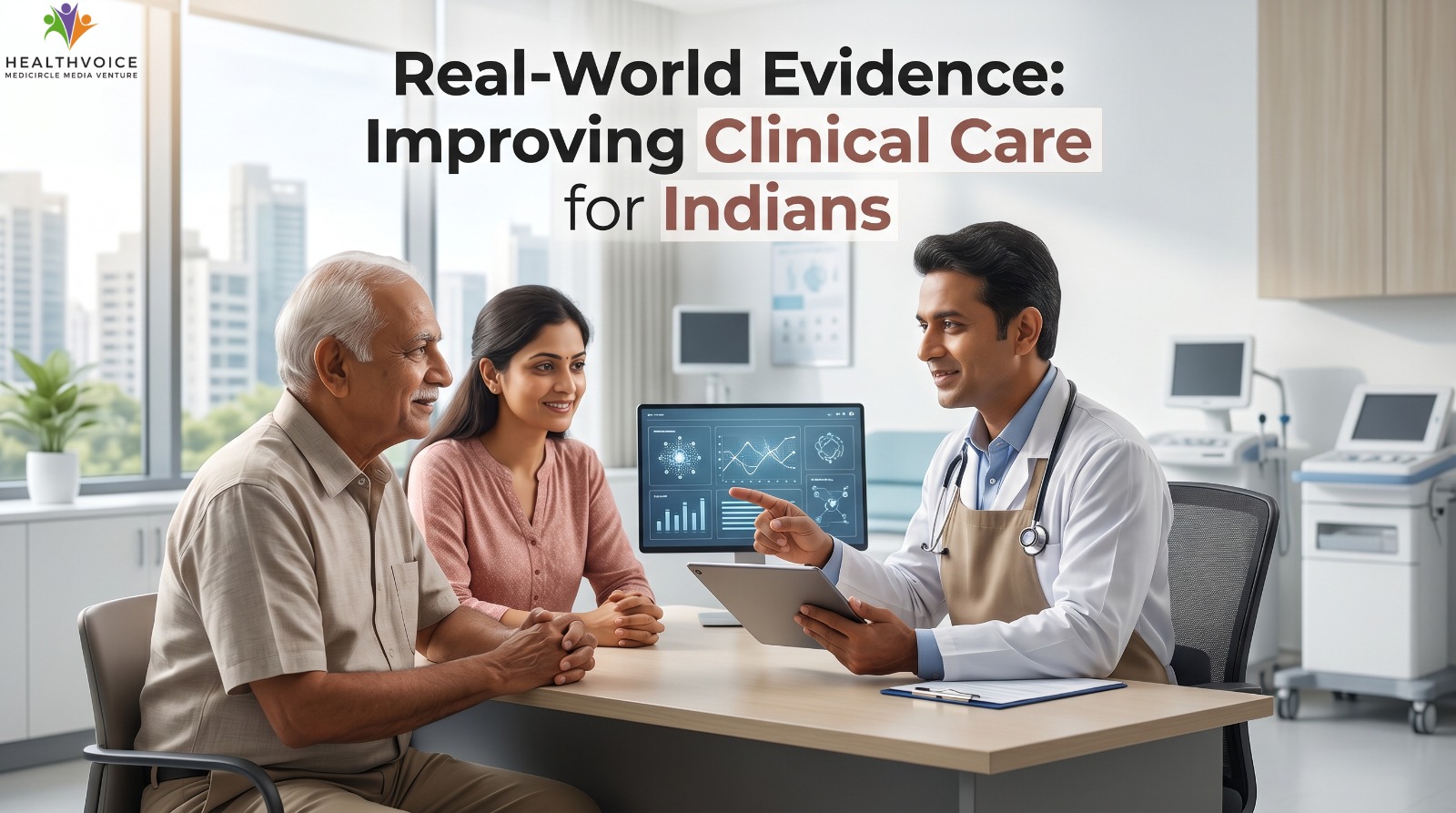
Real-World Evidence in Indian Clinical Practice
Modern medicine is making incredible leaps in every field today. There is a quiet revolution happening in how we understand if a treatment actually works for the average person. While the lab results of a new medicine are important, they do not always tell the full story of a patient living in a busy Indian city or a quiet village. This is where Real-World Evidence steps in to help us. It is the practice of looking at actual health data from our daily lives. This ensures that medical care is as safe and effective as possible for everyone in India.
For many decades, the medical world has relied almost exclusively on controlled medical research to test new drugs. These trials are like a laboratory experiment where everything is controlled. The participants are carefully chosen to be typical patients for the study. However, life in India is rarely that simple for most people. A patient in a city like Lucknow might have different dietary habits or genetic traits. They might have environmental exposures that differ from someone in a trial conducted thousands of miles away.
Clinical research studies now look at how medicines perform in the real world. It goes outside of those controlled settings to give us a much more accurate picture of healthcare in India. This shift is being supported by various clinical research organizations that specialize in gathering local data. These organizations are moving beyond standard medical studies to capture the nuance of the Indian lifestyle.
Clinical Trial Limitations
Standard clinical trials serve a great purpose but they have built-in limitations. They often exclude people who might be considered too complicated for the study. This includes the elderly, people with multiple health issues, or pregnant women. In India, many patients deal with more than one comorbidity at the same time. This is common when managing both asthma and diabetes together.
Because trials are usually short and involve a limited number of people, they might miss rare side effects or long-term issues. By looking at real-world data from millions of Indians, doctors can see how a treatment holds up over several years. This helps us understand the true impact of a drug on the diverse Indian population and their specific phenotype. Understanding the phenotype is essential because it describes how a patient's genes interact with the Indian environment.
Sources of Health Data
You might wonder where all this real-world information actually lives. As India moves toward a more digital future, our health data is being captured in several helpful ways.
Digital Health Records
Many hospitals now use electronic health records to store patient histories. This makes it easier to track which treatments worked well over a long period. The ABDM (Ayushman Bharat Digital Mission) is a major driver of this change across the country. Through the creation of the ABHA (Ayushman Bharat Health Account), patients can now carry their medical history digitally, allowing for better medical research and continuity of care.
Insurance and Pharmacy
These records show which medicines are being prescribed most often. They also show how long patients continue to take their medication. Healthcare market research uses this data to identify gaps in patient access and medicine affordability in different states.
Apps and Wearables
Fitness trackers and mobile apps provide a constant stream of data. This includes heart rates, sleep patterns, and daily physical activity. These health monitoring devices are becoming essential for chronic disease management and provide a goldmine of data for biomedical research.
National Disease Registries
Dedicated databases for specific diseases like cancer help researchers. They track outcomes across the entire country to improve future care. Organizations like the Indian Council of Medical Research (ICMR) manage several of these registries to ensure that medical clinical trials are grounded in local reality.
Personalized Medical Care
The biggest benefit of using Real-World Evidence is the move toward personalized care. Instead of a one-size-fits-all approach, it allows doctors to see what works for people who are just like you. If data shows that a specific blood pressure medication works well for South Asian patients, your doctor can make a better choice.
This approach saves time and prevents the frustration of trying multiple medications. It makes the healing process faster because the decisions are based on the experiences of real people. Medical study data from local populations provides the necessary evidence for these choices. By focusing on the specific needs of the Indian phenotype, we can reduce the reliance on generic global data that may not apply to our citizens.
Focus on Patient Safety
Safety is a top priority in every healthcare setting. Real-World Evidence acts like a continuous safety net for the public. Even after a drug is approved, researchers continue to monitor its performance through real-world data. If a small group of patients experiences an unexpected reaction, the system can catch it quickly.
This monitoring is essential in a country as large as India. A rare side effect could potentially affect thousands of people if not identified early. Clinical trial monitoring and post-market surveillance are now more robust thanks to digital tracking. It allows for a more detailed medical imaging analysis and long-term observation that traditional trials cannot afford.
Better Health Choices
Real-World Evidence does not just help individual patients alone. It helps the whole country improve its health outcomes. Government agencies and health organizations use this data to decide which medicines should be included in public health programs.
In a country where we must be mindful of costs, this data proves which treatments offer the best value. It shows which medicines truly keep people out of the hospital. This helps Indian citizens lead healthier and more productive lives. Healthcare research consistently points toward the efficiency of evidence-based policy when it is backed by clinical research trials conducted in local settings.
Overcoming Existing Hurdles
While the potential is huge, there are still challenges to solve. Not every clinic in India has switched to digital records yet. Different hospitals sometimes use systems that do not talk to each other easily. There is also the very important matter of data privacy. It is crucial that patient data is handled with the highest level of security.
In most studies, personal details like names are removed. Researchers see the medical trends without ever knowing exactly who the patient is. The ABDM national health authority is working to standardize these privacy protocols to ensure that medical clinical trials remain ethical and secure.
Modern Technology Power
To make sense of all this data, we now use advanced tools like Artificial Intelligence. These smart systems can scan through millions of medical records in seconds. They find patterns that a human might miss during a busy day. They can help identify which patients are at the highest risk for certain complications. This allows doctors to intervene earlier and save more lives. Biomedical imaging and other diagnostic tools are also being integrated into these data systems to provide a more holistic view of the patient.
Common RWE Questions
Q1: Is RWE the same as a clinical trial?
No, Real-World Evidence is not the same as a clinical trial. A clinical trial is a strictly controlled experiment conducted in a laboratory setting. Real-World Evidence is an observation of what happens in normal, everyday medical practice. Both are important for progress and often involve different clinical research companies. While trials show if a drug can work, Real-World Evidence shows if it actually does work for the diverse Indian population.
Q2: How does this help my doctor treat me?
Your doctor will use the insights gained from this data to provide better care. These insights help create the clinical guidelines that doctors across India follow. This ensures you get the best possible treatment during your visit. Patient care services are constantly being refined based on these findings. This is especially helpful for patients who must manage a complex comorbidity, such as heart disease and diabetes together.
Q3: Is my personal health information kept private?
Yes, your privacy is protected at every single step of the process. The data used for these studies is anonymized. This means your personal identity is removed so that it is kept private. Your medical experience helps improve care for others through medical record analysis without revealing who you are. The ABDM national health authority has strict rules to keep your ABHA information safe and secure.
Future of India
We are entering an era where healthcare is becoming more transparent. It is tailored to our specific needs as Indian citizens. Real-World Evidence is the key to this big transformation. By valuing the data generated in our own hospitals and clinics, we ensure a better future. The future of Indian medicine is built on a foundation of reality.
This shift means more than just having better drugs available. It means a healthcare system that truly understands the Indian heart and lifestyle. It is a thoughtful and data-driven way to ensure that everyone receives the care they deserve. By leveraging the ABDM and the vast amount of data from medical research, India is poised to become a global leader in evidence-based healthcare.
 Team Healthvoice
#RealWorldEvidence #DigitalHealthIndia
