Addressing Malnutrition in Adolescent Girls: Evaluating Weekly Iron-Folic Acid Supplementation (WIFS)
WIFS helps prevent adolescent anemia through weekly iron-folic acid supplementation, supervised delivery, deworming, adherence monitoring, and nutrition education, strengthening health outcomes, program efficiency, and long-term nutritional resilience.
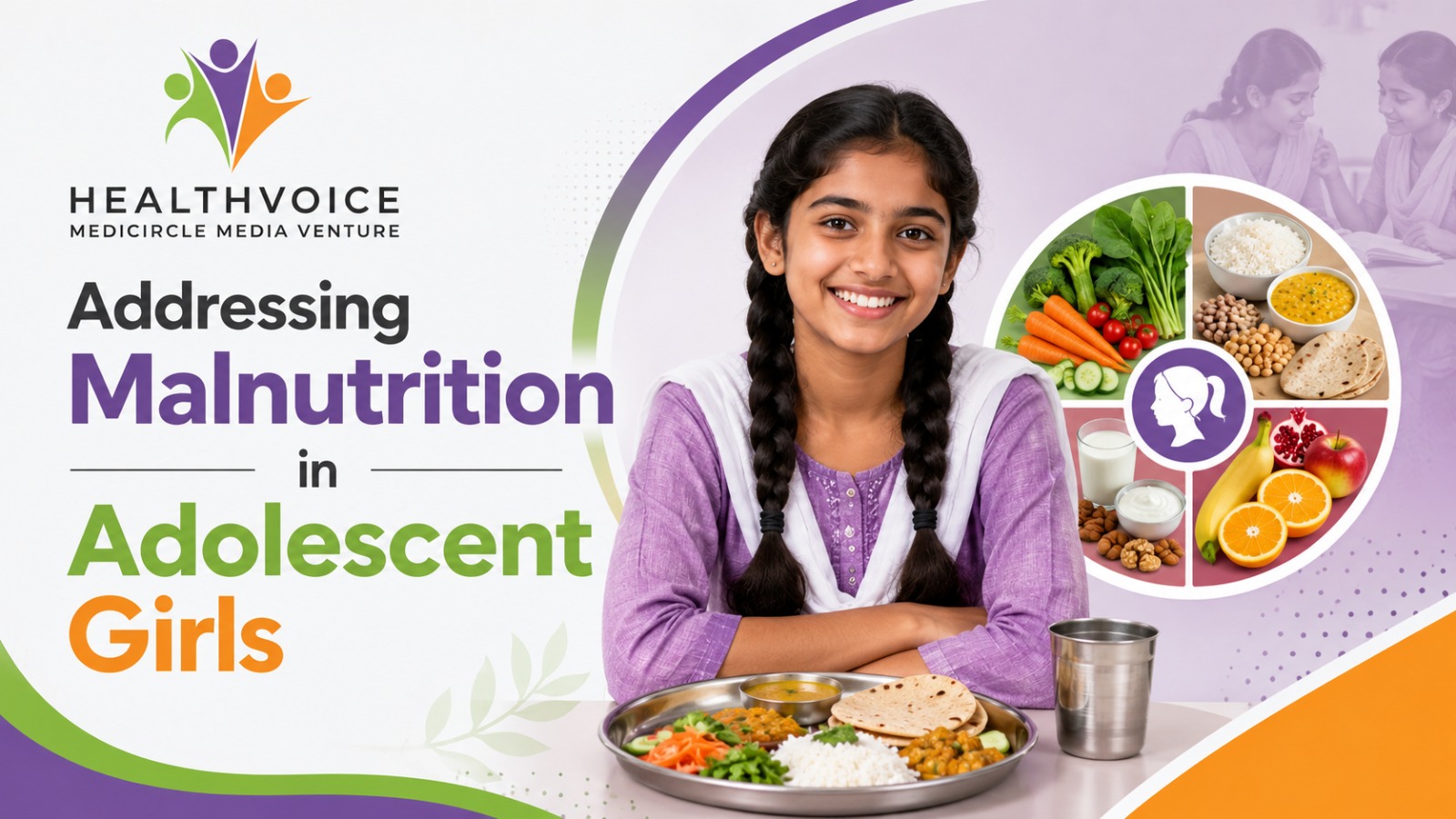
Adolescence represents a critical developmental window characterized by rapid physical growth, hormonal shifts, and the onset of menarche. In low- and middle-income countries, adolescent girls face a disproportionate burden of nutritional deficits—particularly nutritional anemia resulting from iron deficiency.
To address this public health challenge, national health frameworks have scaled targeted preventive interventions, most notably Weekly Iron-Folic Acid Supplementation (WIFS). Evaluating the efficacy, operational delivery, and compliance factors of WIFS is essential for optimizing community-based nutrition programs and reducing anemia prevalence.
1. Physiological Basis and Efficacy of WIFS
Anemia during adolescence impairs cognitive performance, limits physical endurance, and increases future maternal and neonatal mortality risks. Weekly iron-folic acid administration offers a physiologically sound and cost-effective approach to preventive supplementation:
- Mucosal Block Phenomenon: Daily high-dose iron intake can saturate intestinal mucosal cells and upregulate hepcidin, decreasing overall iron absorption efficiency over consecutive days. A weekly dosing schedule allows mucosal cells to desquamate, optimizing intestinal iron absorption upon the next dose.
- Targeted Micronutrient Composition: Standard WIFS protocols typically combine 100\,\text{mg} of elemental iron with 500\,\text{mcg} of folic acid. Folic acid supports DNA synthesis and red blood cell maturation, working synergistically with iron to prevent megaloblastic and microcytic anemias.
- Reduced Side-Effect Burden: Daily iron supplementation often causes gastrointestinal discomfort, including nausea, epigastric pain, and constipation, which undermines adherence. Weekly administration significantly lowers the incidence of adverse effects, improving long-term tolerance.
2. Strategic Implementation and Delivery Channels
To achieve high coverage among both in-school and out-of-school adolescent girls, WIFS relies on integrated multi-sectoral delivery platforms:
- School-Based Platforms: Schools serve as the primary distribution node for in-school adolescent girls. Fixed-day administration (e.g., every Monday following a mid-day meal) combined with teacher-supervised consumption ensures high operational coverage and structured oversight.
- Community-Based Out-of-School Networks: Out-of-school adolescent girls are reached through frontline health worker networks (such as Anganwadi centers and community health workers). Community platforms combine supplement distribution with monthly health and nutrition days.
- Integrated Deworming Interventions: Soil-transmitted helminth (STH) infections cause chronic intestinal blood loss and exacerbate anemia. WIFS frameworks incorporate bi-annual albendazole (400\,\text{mg}) co-administration to eliminate parasitic loads and maximize iron absorption.
3. Key Operational Factors Influencing WIFS Outcomes
Evaluating the real-world success of WIFS requires analyzing the operational dynamics that govern program delivery and sustained compliance:
- Supervised Consumption Models: Unsupervised distribution leads to high drop-off rates due to forgotten doses or fear of side effects. Directly Observed Therapy (DOT) models led by trained teachers or community health workers significantly boost adherence.
- Supply Chain Continuity: Intermittent stockouts at primary health centers or school clusters erode community trust and disrupt the required supplementation cycle. Robust logistics tracking is vital for maintaining uninterrupted supply lines.
- Peer-Led Behavioral Change Communication (BCC): Addressing myths surrounding iron tablets (such as fears of weight gain or excessive dark stooling) requires continuous counseling. Peer-educator networks help normalize weekly consumption and improve self-efficacy among adolescent girls.
- Anemia Screening Integration: Combining routine WIFS with periodic point-of-care hemoglobin testing allows health workers to identify severe anemia cases (<7\,\text{g/dL}) that require therapeutic daily dosing or clinical referral rather than preventive weekly supplementation.
4. Operational Comparison: Daily vs. Weekly Iron Supplementation
Evaluating the strategic trade-offs between daily and weekly supplementation models highlights why preventive public health programs favor WIFS for community deployment:
- Target Population Scope: Daily supplementation is primarily designed for therapeutic correction in diagnosed anemic individuals or pregnant women. WIFS is optimized for population-wide preventive coverage among adolescent girls.
- Gastrointestinal Side Effects: Daily dosing carries a high incidence of nausea, constipation, and gastric irritation. Weekly dosing yields significantly lower side-effect rates, minimizing clinical complaints.
- Adherence & Compliance: Daily regimens experience low long-term compliance due to tablet fatigue. Weekly regimens achieve higher sustained compliance when integrated into fixed-day school schedules.
- Cost & Supply Logistics: Daily programs carry high supply volume costs and complex inventory demands. Weekly programs require 80% fewer tablets annually, drastically reducing procurement and distribution overhead.
5. Strategic Roadmap for Programmatic Optimization
Health administrators and policy directors should focus on four key areas to maximize the impact of adolescent WIFS interventions:
- Mandate Fixed-Day Supervised Ingestion: Establish a standardized "Iron Day" across all participating schools and community centers to build routine habits and ensure supervised consumption.
- Strengthen Inter-Ministerial Coordination: Foster formal operational alignment between Health and Education departments to streamline inventory forecasting, teacher training, and reporting metrics.
- Expand Digital Adherence Tracking: Utilize mobile-based reporting dashboards for real-time monitoring of tablet stock levels, consumption logs, and adverse event reports across district clusters.
- Couple WIFS with Broader Dietary Diversification: Combine supplementation with community education emphasizing dietary iron sources (e.g., dark leafy greens, legumes, vitamin C-rich foods) to promote long-term nutritional literacy.
10 Frequently Asked Questions (FAQs)
Q1. What is WIFS, and who is the target demographic for this program?
Weekly Iron-Folic Acid Supplementation (WIFS) is a public health intervention designed to prevent and reduce anemia among adolescent girls (ages 10–19) and adolescent boys in school setting environments.
Q2. Why is iron supplementation given weekly rather than daily for preventive care?
Weekly administration leverages the intestinal "mucosal block" phenomenon to optimize iron absorption while drastically reducing gastrointestinal side effects, resulting in higher long-term compliance compared to daily dosing.
Q3. What are the standard components of a WIFS tablet?
A standard WIFS tablet typically contains 100\,\text{mg} of elemental iron (often as ferrous sulfate or ferrous fumarate) combined with 500\,\text{mcg} of folic acid.
Q4. How does deworming complement weekly iron-folic acid supplementation?
Intestinal parasitic worms (helminths) cause chronic blood loss and nutrient malabsorption. Administering bi-annual deworming medication (such as Albendazole) clears parasitic infections, allowing the body to absorb iron effectively.
Q5. What are the common side effects of WIFS, and how are they managed?
Mild side effects include dark stools, temporary nausea, or minor abdominal discomfort. These are managed by instructing adolescents to take the tablet after a meal rather than on an empty stomach and providing clear counseling.
Q6. Can a girl with severe anemia be treated solely through WIFS?
No. WIFS is a preventive strategy. Adolescents diagnosed with severe anemia (\text{Hb} < 7\,\text{g/dL}) require clinical evaluation and daily therapeutic iron treatment under medical supervision.
Q7. How are out-of-school adolescent girls reached in WIFS initiatives?
Out-of-school girls are reached through community-based healthcare networks, Anganwadi centers, and local health days led by frontline healthcare workers.
Q8. What role do teachers play in school-based WIFS distribution?
Teachers act as primary facilitators who manage tablet distribution, supervise weekly consumption on designated days, track attendance logs, and deliver basic health and nutrition education.
Q9. Does taking iron tablets cause excessive weight gain?
No. Iron and folic acid are essential micronutrients that support hemoglobin synthesis and cellular function; they do not contain calories and do not cause weight gain.
Q10. How long should an adolescent girl continue taking WIFS?
Because adolescent girls experience ongoing monthly iron loss through menstruation throughout their teenage years, continuous weekly supplementation is recommended throughout the entire adolescent period (ages 10–19).
 Team Healthvoice
#AdolescentHealth #AnemiaPrevention