Bedside Testing: Point of Care Diagnostics in India
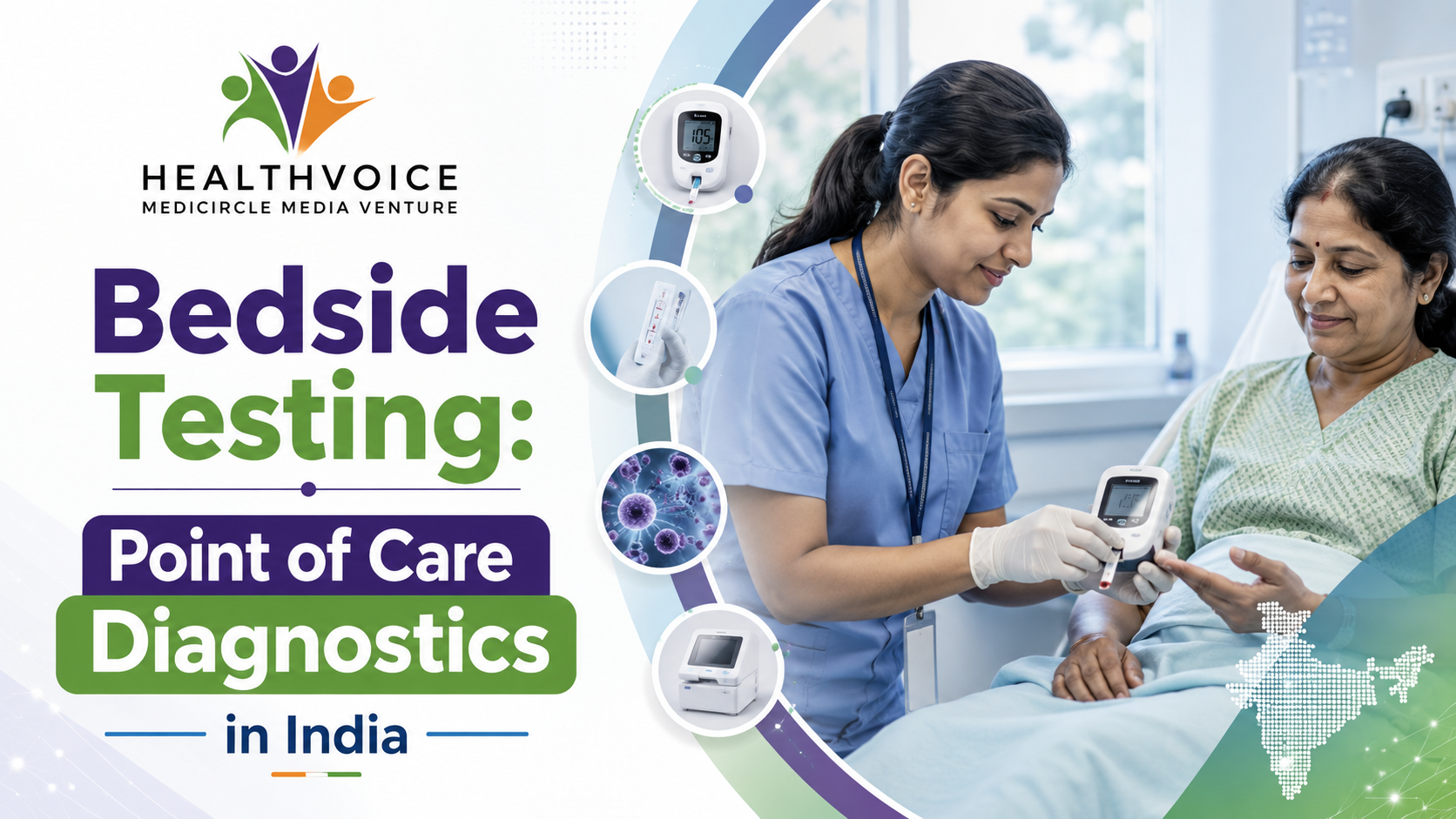
Shifting diagnostics from distant laboratories to the patient bedside enables real-time decisions in Indian emergency rooms and outpatient departments, successfully reducing dangerous treatment delays and hospital overcrowding.
How Bedside Testing Reshapes Indian Care
Anyone who has stepped into a bustling Indian casualty ward or a crowded outpatient department knows that time feels entirely different in those places. Minutes can stretch into agonizing hours when a family member is suffering from sudden, intense chest pain or when a young child is burning up with a severe fever. In those critical moments, standard medical care usually hits a bottleneck because doctors must draw blood and send it off to a central laboratory. Everyone has to wait for hours just to get the reports back before a definitive treatment plan can begin.
This waiting period is more than just stressful, and it introduces unnecessary medical risks when every single second counts. Rapid bedside diagnostics, technically known as point-of-care testing, completely change this high-stakes equation for patients and medical staff. By placing compact, highly accurate diagnostic tools directly where the patient is being examined, medical teams can read essential health data in just a few minutes. Moving from delayed lab work to immediate, real-time answers is helping Indian clinics move away from stressful guesswork and toward fast, precise, and life-saving medical action.
Defining Bedside Diagnostics
At its core, this approach means running medical tests right next to the patient rather than sending samples away to a distant room. Using small, portable, and often handheld devices, healthcare workers can analyze tiny drops of blood, urine, or saliva on the spot. It is important to note that these devices are not meant to replace main hospital laboratories, which remain necessary for highly complex medical workups. Instead, they act as an elite first response tool when doctors need information immediately to make a quick decision.
This technology fits perfectly into the intense reality of the Indian healthcare system. Our large city hospitals handle massive waves of patients daily, while our smaller, rural clinics often have to operate without advanced infrastructure. Portable testing equipment helps bridge those two separate worlds quite effectively. By providing immediate readings for vital health markers like blood sugar levels, heart enzymes, or internal chemical balances, these tools let doctors start the right treatment immediately without getting bogged down by hospital paperwork or transportation delays.
Managing Crowded Emergencies
When an emergency room is packed to capacity, saving time is directly connected to saving lives. During sudden medical emergencies like a heart attack or severe, unexplained breathing trouble, doctors cannot afford to guess what is wrong, and waiting too long can lead to permanent damage. Having instant diagnostic data at the bedside gives emergency physicians the exact clarity they need to figure out who needs the most urgent care.
Take a patient who arrives at the hospital gasping for air. The underlying issue could be a severe flare-up of long-term lung disease, or it could be a sudden, life-threatening heart failure. A traditional lab test to check for heart strain markers can easily take hours to process. However, with a handheld analyzer right at the stretcher, the emergency team can see those critical levels in under fifteen minutes. This rapid insight allows doctors to start the correct treatment immediately, avoiding the wrong medications and significantly improving the patient's chances of a full recovery.
Improving Outpatient Care
The benefits of quick bedside testing go far beyond intensive emergency rooms, and they are equally life-changing for everyday outpatient clinics. Most people are familiar with the exhausting routine of a standard outpatient department visit, which involves waiting to see the doctor, walking over to the lab, waiting for hours to get a report, and then queuing up all over again for a final prescription. This repetitive cycle is exhausting for anyone, but it is especially hard on elderly patients and those who travel long distances from small towns just to see a specialist.
Bringing rapid testing right into the consultation room transforms this entire experience into a single, straightforward visit. During a single checkup, a doctor can immediately check long-term blood glucose monitoring data for a diabetic patient, run a quick HbA1c testing panel, or screen for seasonal infections like dengue, malaria, and typhoid. The patient can then head home with a clear diagnosis and the proper medication after just one visit. This simple shift prevents the need for multiple return trips, clears out packed waiting rooms, and helps clinics run much more smoothly.
Optimizing Antibiotic Use
Infectious illnesses make up a huge portion of the cases that walk into Indian clinics, particularly during the heavy monsoon and post-monsoon months. Telling the difference between a viral fever and a bacterial infection just by looking at a patient is incredibly difficult. Because of this uncertainty, healthcare providers often prescribe broad-spectrum antibiotics to be safe, a practice that has unfortunately accelerated the dangerous rise of antibiotic-resistant superbugs across India.
On-the-spot diagnostic tests offer a clear, scientific way out of this dilemma. Simple finger-prick tests that measure inflammation markers or detect specific respiratory viruses can tell a doctor within minutes what kind of germ is causing the sickness. Armed with this instant knowledge, doctors can confidently avoid prescribing antibiotics for viral infections where they will not help, ensuring these powerful medicines are saved for when they are truly needed. This keeps patients safer and protects the community as a whole.
Handling Practical Challenges
Even though the medical benefits of bedside testing are clear, bringing this technology to every corner of India requires overcoming a few practical hurdles. The upfront cost of buying portable diagnostic devices and the specialized testing strips can seem higher than running automated tests in bulk at a central lab. However, hospital directors need to look at the bigger picture because those initial costs are balanced out by shorter hospital stays, fewer unnecessary admissions, and a much more efficient use of nursing staff.
Ensuring consistent quality control is another vital piece of the puzzle. Because these tests are run by busy frontline doctors and nurses rather than dedicated lab technicians, thorough training is non-negotiable. Medical centers must set up simple, strict routines to keep these devices calibrated and ensure every single result is automatically saved into the digital health record of the patient. With proper training and daily checks, the chance of mistakes drops to near zero, making decentralized testing a thoroughly safe and dependable tool for everyday medicine.
Common Questions Answered
Are portable diagnostic devices accurate?
Yes, modern portable testing devices use highly advanced technology that complies with strict medical safety standards. They are incredibly reliable for quick screenings and making fast treatment choices. If a result is highly unusual or borderline, a doctor may still send a follow-up sample to the main lab for a more detailed look.
How do they help rural areas?
In remote regions where it is difficult to keep lab samples cold or where full-scale laboratories do not exist, portable devices are an absolute game-changer. They allow local healthcare workers to instantly diagnose severe anemia, diabetes complications, or malaria on the spot, allowing patients to get treated immediately without traveling for hours to a city.
Do these tests increase patient costs?
While an individual rapid test strip might sometimes cost a bit more than a bulk laboratory test, it usually saves the patient money overall. By cutting out extra travel expenses, reducing the need for multiple follow-up doctor appointments, and preventing unnecessary hospital stays, it actually lowers the total cost of getting well.
Future of Care
Welcoming point-of-care diagnostics into standard medical routines is an essential step toward building a more responsive, patient-friendly healthcare system in India. By removing the long, anxious wait for lab reports, these modern tools give medical professionals the confidence to act immediately when time is their most precious resource.
The true strength of modern medicine lies in making excellent care simple, fast, and accessible to everyone. As our healthcare networks grow, adopting portable, rapid diagnostic tools will play a massive role in reducing the heavy burden on our medical workers, ensuring that every patient receives the right care at exactly the right moment.
Abstract
Shifting diagnostics from distant laboratories to the patient bedside enables real-time decisions in Indian emergency rooms and outpatient departments, successfully reducing dangerous treatment delays and hospital overcrowding.
 Team Healthvoice
#PointOfCareTesting #DiagnosticsInnovation
