Future of Continuing Medical Education: Trends, Technology & Lifelong Learning
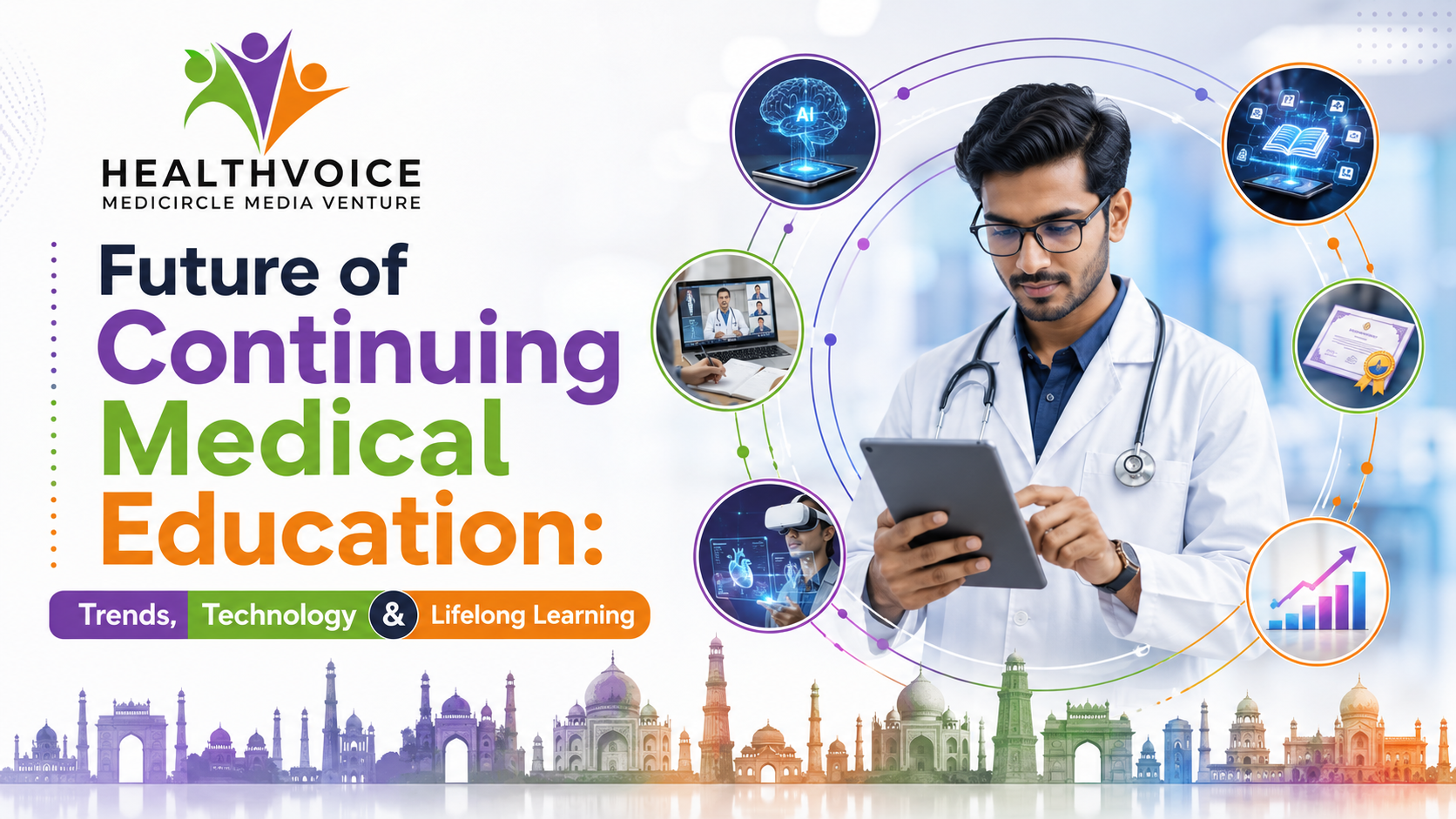
The future of continuing medical education is being driven by personalized learning, digital healthcare skills, artificial intelligence, and lifelong professional development. Adaptive learning platforms, medical workforce training, and healthcare innovation will play a central role in shaping the next generation of healthcare professionals.
Future of Continuing Medical Education
Continuing Medical Education is no longer just a requirement for maintaining professional credentials. It is becoming a critical tool for adapting to a healthcare landscape that changes faster than ever before. New technologies, evolving patient expectations, digital healthcare systems, and rapidly expanding medical knowledge are transforming how healthcare professionals learn throughout their careers. The future of continuing medical education is not simply about attending courses. It is about creating a learning ecosystem that helps medical professionals remain effective, relevant, and prepared for the challenges of modern healthcare.
Why Continuing Medical Education Is Entering a New Era
For decades, continuing medical education largely revolved around conferences, seminars, journals, and periodic certification requirements. While these approaches still hold value, they were designed for a healthcare environment that evolved at a much slower pace.
Today, medical knowledge doubles at an unprecedented rate. New treatment protocols, digital diagnostic tools, artificial intelligence applications, telehealth platforms, and patient-centered care models emerge continuously. A healthcare professional who relies solely on knowledge acquired during formal education may find it increasingly difficult to keep pace.
The future of medical learning is being shaped by necessity rather than preference. Healthcare professionals are no longer simply updating knowledge. They are learning how to adapt to constant change.
This shift affects multiple stakeholders:
- Healthcare professionals need ongoing skill development to remain effective in clinical practice. Modern medicine requires not only medical expertise but also familiarity with digital systems, data interpretation, and patient engagement technologies.
- Healthcare organizations benefit from continuous workforce learning because better-trained professionals contribute to improved patient outcomes. Learning is becoming a strategic asset rather than an administrative requirement.
- Patients increasingly expect healthcare providers to understand the latest treatment options and technologies. As patient awareness grows, professionals must be prepared to answer more informed questions and discuss emerging healthcare innovations.
The result is a growing recognition that continuing medical education must evolve from periodic training into a lifelong learning model.
The Rise of Personalized Medical Learning
One of the most significant developments in the future of continuing medical education is personalization. Traditional educational programs often provide identical content to diverse audiences with varying experience levels, specialties, and learning needs.
Personalized learning changes this approach entirely.
Modern educational platforms increasingly analyze learning behavior, performance patterns, specialty requirements, and professional goals to recommend targeted educational content. Rather than attending broad sessions that may only partially apply to their work, healthcare professionals can focus on knowledge directly relevant to their practice.
This transformation mirrors broader trends seen in other industries. Just as streaming services personalize entertainment recommendations, medical learning platforms are beginning to personalize professional development pathways.
The benefits extend beyond convenience. Personalized education can help learners:
- Focus on knowledge gaps that directly affect clinical performance.
- Learn at a pace appropriate to their experience level.
- Spend less time reviewing familiar concepts.
- Improve retention through more relevant content.
- Align educational goals with career progression.
As healthcare becomes increasingly specialized, personalized education is likely to become a defining feature of professional medical development.
How Digital Healthcare Is Reshaping Learning Requirements
Healthcare professionals today operate within highly digital environments. Electronic health records, remote monitoring systems, clinical decision-support tools, and telemedicine platforms have become standard components of care delivery.
This shift creates an important challenge.
Medical expertise alone is no longer sufficient. Professionals must also understand how digital healthcare systems influence diagnosis, treatment, communication, documentation, and patient management.
The future of continuing medical education therefore extends beyond clinical knowledge. It increasingly includes digital competency.
Healthcare professionals must learn how to:
- Interpret data generated by connected healthcare devices.
- Navigate digital patient management platforms.
- Understand cybersecurity responsibilities within healthcare systems.
- Evaluate AI-assisted diagnostic recommendations.
- Communicate effectively through virtual care channels.
The relationship between technology and healthcare education is becoming increasingly interconnected. Future learning programs will likely combine clinical expertise with digital literacy to create more versatile healthcare professionals.
Artificial Intelligence and the Transformation of Medical Education
Artificial intelligence is often discussed as a tool for healthcare delivery, but its influence on education may be equally significant.
AI has the potential to change how continuing medical education is created, delivered, and evaluated.
Instead of static learning modules, AI-powered platforms can generate adaptive learning experiences based on individual performance. Educational systems may identify areas where a learner struggles and automatically provide additional resources, case studies, or practice exercises.
The future may also include AI-generated simulations that replicate complex clinical scenarios. These simulations can allow healthcare professionals to practice decision-making in realistic environments without risks to patient safety.
Several advantages emerge from this approach:
- Learning becomes more responsive to individual needs. Educational pathways adjust based on performance rather than predefined schedules.
- Feedback becomes immediate and actionable. Professionals receive insights that help strengthen specific competencies.
- Clinical simulations become more realistic. Learners can experience rare or complex cases that might not frequently occur in practice.
- Educational resources remain continuously updated. AI can help identify emerging evidence and integrate new knowledge more rapidly.
Rather than replacing educators, artificial intelligence is likely to enhance their ability to provide relevant and effective learning experiences.
Microlearning and the Shift Toward Continuous Knowledge Updates
One challenge facing healthcare professionals is time. Clinical responsibilities often leave limited room for traditional educational activities.
This reality is driving interest in microlearning.
Microlearning involves delivering educational content in small, focused segments that can be completed within minutes rather than hours. Instead of attending lengthy training sessions, professionals engage with short learning experiences integrated into daily workflows.
This approach aligns particularly well with modern healthcare environments because learning can occur at the point of need.
A physician reviewing new treatment guidelines might access a five-minute update before seeing patients. A nurse learning about a new protocol could complete a short interactive module during a break between shifts.
The growing popularity of microlearning reflects a broader recognition that effective education must fit within real-world professional demands.
Future continuing medical education systems will likely combine:
- On-demand educational resources.
- Mobile-first learning platforms.
- Short interactive modules.
- Clinical decision support integration.
- Continuous performance feedback.
Learning becomes less of a separate activity and more of an ongoing component of professional practice.
The Growing Importance of Interdisciplinary Education
Healthcare increasingly relies on collaboration between multiple disciplines. Physicians, nurses, pharmacists, therapists, administrators, technologists, and data specialists often work together to achieve optimal patient outcomes.
Yet traditional education frequently occurs within professional silos.
The future of continuing medical education is expected to emphasize interdisciplinary learning experiences that reflect real-world healthcare environments.
This shift is important because many healthcare challenges require coordinated solutions. Chronic disease management, digital transformation, patient safety initiatives, and population health programs often depend on effective collaboration across specialties.
Interdisciplinary education offers several advantages:
- Improved communication between healthcare teams.
- Better understanding of complementary professional roles.
- Enhanced patient-centered care coordination.
- Reduced errors caused by fragmented workflows.
- Greater adaptability to complex healthcare challenges.
As healthcare systems become more interconnected, educational models will likely follow the same path.
Global Knowledge Sharing and Borderless Medical Learning
The digital transformation of education has removed many geographic limitations. Healthcare professionals can now access expertise, research findings, and educational opportunities from around the world.
This global exchange is becoming increasingly valuable.
Medical challenges rarely remain confined to individual regions. Emerging diseases, healthcare innovations, digital technologies, and treatment advances often spread internationally. Access to global knowledge allows professionals to learn from experiences beyond their local environment.
The future of continuing medical education will likely include greater international collaboration through:
- Virtual conferences.
- Global expert panels.
- International case discussions.
- Cross-border research communities.
- Collaborative online learning platforms.
This expanded access helps healthcare professionals develop broader perspectives and adapt more effectively to changing healthcare landscapes.
Challenges That Will Shape the Future of Medical Learning
Despite exciting opportunities, several challenges remain.
Information overload is one of the most significant concerns. As medical knowledge expands, healthcare professionals face increasing difficulty identifying reliable, relevant information.
Another challenge involves maintaining educational quality. The growth of digital learning creates opportunities for innovation but also raises questions about content accuracy, evidence standards, and educational effectiveness.
Technology access can also create disparities. While digital education offers flexibility, not all learners have equal access to advanced learning platforms or high-speed connectivity.
Balancing innovation with quality assurance will remain a critical priority for organizations responsible for medical education.
The most successful future models will likely combine technological innovation with rigorous educational standards and evidence-based practices.
The Future Is Lifelong, Adaptive, and Connected
The future of continuing medical education extends far beyond compliance requirements and professional credits. It is becoming a dynamic system designed to support lifelong adaptation within an increasingly complex healthcare environment.
Healthcare professionals who embrace continuous learning will be better positioned to navigate technological change, evolving patient expectations, and emerging clinical knowledge. At the same time, healthcare organizations that invest in modern educational approaches will strengthen workforce capability and improve patient outcomes.
The future is not simply about learning more. It is about learning continuously, learning intelligently, and learning in ways that remain relevant to the realities of modern healthcare.
Conclusion
The future of continuing medical education will be shaped by personalization, digital healthcare, artificial intelligence, interdisciplinary collaboration, and lifelong learning. As medicine evolves, education must evolve alongside it. Professionals who continuously develop their knowledge and skills will be better prepared to deliver high-quality care, adapt to innovation, and thrive in an increasingly connected healthcare ecosystem.
FAQ (Frequently Asked Questions)
1. How will continuing medical education change over the next decade?
The future of continuing medical education is expected to become more personalized, technology-driven, and flexible. Instead of relying only on conferences and classroom sessions, healthcare professionals will increasingly use adaptive learning platforms and digital healthcare education tools that provide relevant knowledge based on individual learning needs and career goals.
2. Why is lifelong learning becoming more important in healthcare?
Healthcare knowledge evolves rapidly, making lifelong learning in medicine essential for staying current with new treatments, technologies, and patient care approaches. Continuous education also supports professional development in healthcare, helping practitioners adapt to changing clinical and operational demands throughout their careers.
3. What role will artificial intelligence play in medical education?
Artificial intelligence is expected to improve medical education technology by creating personalized learning experiences, intelligent assessments, and realistic clinical simulations. These innovations support healthcare workforce training by helping professionals learn more efficiently and focus on areas where improvement is needed.
4. How does digital healthcare influence continuing medical education?
The growth of digital healthcare has expanded the scope of learning beyond traditional clinical knowledge. Professionals now need skills related to telehealth, electronic health records, and healthcare analytics. As a result, digital healthcare skills and healthcare innovation are becoming central parts of modern continuing education programs.
5. What are the benefits of personalized learning in medical education?
Personalized learning helps healthcare professionals focus on knowledge gaps and specialty-specific requirements. Instead of spending time on content they already know, learners can engage with targeted material that supports continuing professional development and improves real-world clinical performance.
6. Can online medical education replace traditional conferences and workshops?
Online learning offers flexibility and accessibility, but it is more likely to complement rather than completely replace traditional formats. The future will likely combine virtual education, collaborative learning, and practical experiences to create a balanced approach to medical workforce development and continuous medical learning.
7. Why are healthcare organizations investing more in professional education?
Organizations recognize that better-trained professionals contribute to improved patient outcomes and operational efficiency. Investing in healthcare workforce training and clinical knowledge advancement helps institutions remain competitive while improving the quality of care delivered to patients.
8. How does interdisciplinary learning improve healthcare outcomes?
Interdisciplinary education allows healthcare professionals from different backgrounds to learn together and understand each other's roles more effectively. This approach supports collaborative healthcare learning and strengthens communication, coordination, and patient-centered care across healthcare systems.
9. What challenges could affect the future of continuing medical education?
Information overload, technology access, and maintaining educational quality are among the biggest challenges. As learning resources continue to grow, healthcare professionals will need reliable systems that support evidence-based medical education and help them identify the most relevant information efficiently.
10. How can healthcare professionals prepare for the future of medical learning?
Healthcare professionals can prepare by embracing new learning technologies, staying open to digital tools, and developing habits of continuous education. Focusing on lifelong learning in medicine and strengthening digital healthcare skills will help them remain adaptable in an increasingly technology-driven healthcare environment.
 Team Healthvoice
#ContinuingMedicalEducation #MedicalEducation