How Medical Associations Engage Young Doctors: Strategies, Challenges, and Future Trends
Medical associations engage young doctors through mentorship, leadership development, digital communities, professional education, advocacy, and innovation-focused opportunities. These engagement strategies strengthen healthcare leadership pipelines while supporting career growth, professional networking, physician well-being, and long-term workforce development.
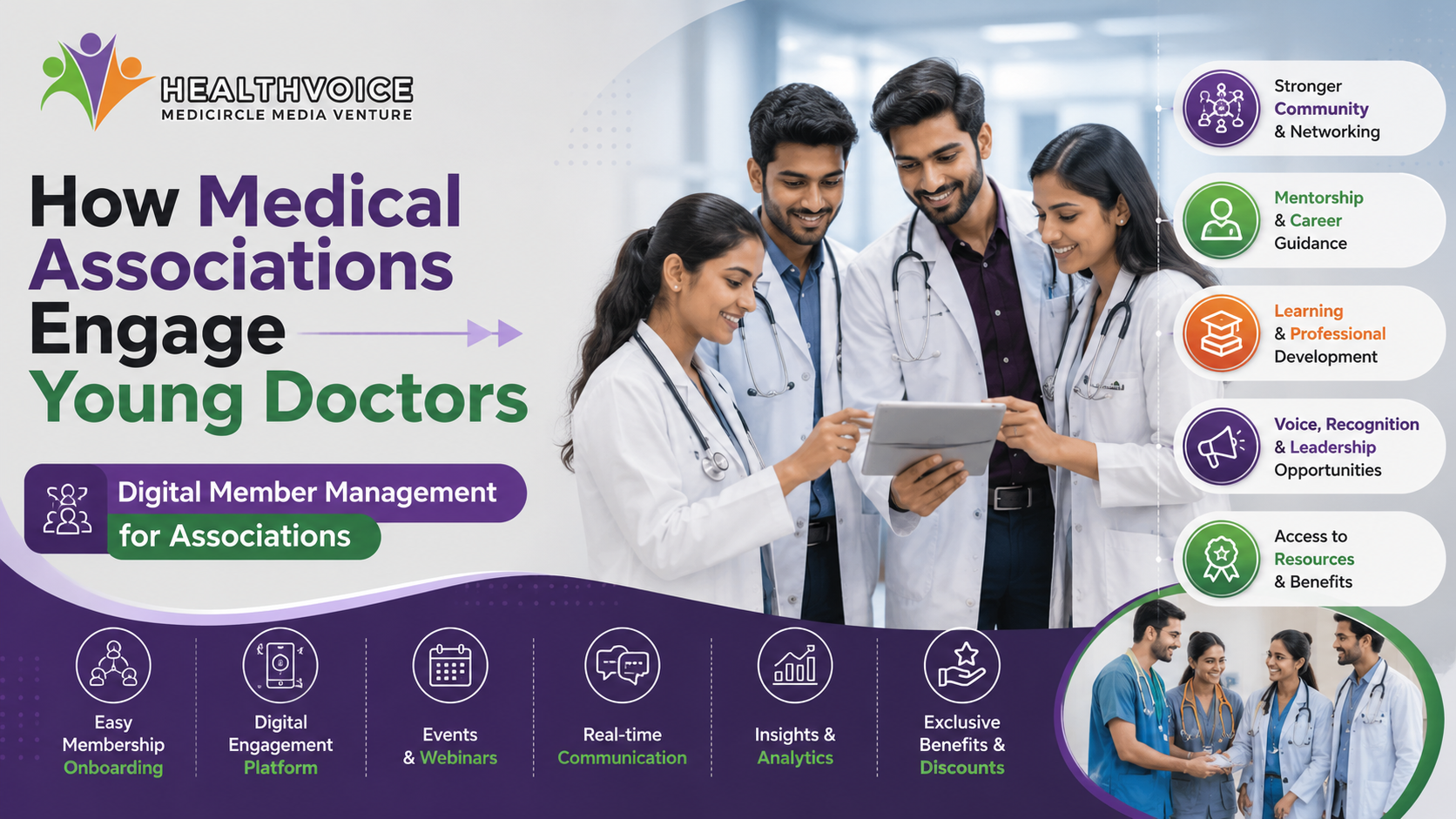
How Medical Associations Engage Young Doctors
The healthcare profession is evolving rapidly. New technologies, changing patient expectations, digital healthcare systems, and shifting career priorities are transforming how doctors practice medicine. In this environment, medical associations face an important challenge: how to attract, support, and retain young doctors who represent the future of healthcare. Understanding how medical associations engage young doctors is not just important for healthcare organizations. It also matters for students, healthcare entrepreneurs, educators, policymakers, and business leaders who want to understand how professional communities develop future leaders.
Young doctors often enter the profession with different expectations than previous generations. They seek mentorship, career flexibility, learning opportunities, and meaningful professional connections. Medical associations that recognize these changing expectations are finding innovative ways to remain relevant and valuable.
Why Young Doctors Are Critical to the Future of Medical Associations
Medical associations have traditionally served as platforms for professional development, networking, advocacy, and education. However, many organizations have realized that attracting younger members requires more than offering memberships and conferences.
Young doctors represent the next generation of healthcare leadership. Their perspectives are shaped by digital technologies, global connectivity, evidence-based medicine, and evolving workplace expectations. As healthcare systems face workforce shortages, technological disruptions, and increasing patient demands, these professionals bring fresh ideas and adaptability.
Associations that successfully engage young doctors often see stronger long-term membership retention and greater organizational innovation. Young members introduce new perspectives on telemedicine, artificial intelligence, digital health, and patient-centered care. They also help organizations remain connected to emerging healthcare trends.
This engagement creates a mutually beneficial relationship. Associations gain future leaders, while young doctors gain access to resources, networks, and opportunities that may otherwise take years to build independently.
The challenge lies in understanding that younger professionals often evaluate organizations differently. They seek value, relevance, and active participation rather than passive membership benefits.
The Role of Mentorship in Building Long-Term Engagement
One of the most effective ways medical associations engage young doctors is through mentorship programs. Entering medical practice can be overwhelming, even after years of education and training. Clinical responsibilities, career decisions, specialization choices, and workplace challenges often create uncertainty.
Mentorship bridges this gap by connecting experienced physicians with emerging professionals.
Young doctors frequently look for guidance in areas such as:
- Career planning and specialization decisions often benefit from experienced perspectives. Senior physicians can share real-world experiences that help younger professionals evaluate opportunities more effectively and avoid common career mistakes.
- Work-life balance discussions provide practical insights that are rarely taught during medical training. Young doctors often face burnout concerns early in their careers and seek strategies for sustainable professional growth.
- Professional networking opportunities expand significantly through mentorship relationships. Connections introduced by mentors can open doors to research projects, leadership positions, and collaborative initiatives.
- Leadership development becomes more accessible when experienced professionals actively support younger members. Many future healthcare leaders first gain confidence through structured mentorship programs.
Mentorship also helps associations create stronger emotional connections with members. Rather than viewing membership as a transaction, young doctors begin to see the organization as a professional support system.
How Digital Communities Are Transforming Professional Engagement
The way professionals communicate has changed dramatically over the past decade. Medical associations increasingly recognize that engaging young doctors requires meeting them where they already spend their time: online.
Traditional communication methods such as newsletters and annual meetings remain important, but they are no longer sufficient on their own. Digital engagement has become a central component of professional participation.
Online communities allow young doctors to interact continuously rather than only during conferences or formal events. Through discussion forums, virtual events, webinars, mobile applications, and social networking platforms, associations can provide ongoing value.
This shift is particularly important because younger healthcare professionals often prioritize accessibility and flexibility. They may not always have time to attend in-person events, but they can participate in online discussions, educational sessions, and networking activities from any location.
Digital communities also create opportunities for global collaboration. Young doctors can learn from colleagues across different healthcare systems, compare approaches to patient care, and explore emerging international healthcare trends.
Associations that invest in meaningful digital experiences often create stronger engagement than those relying solely on traditional membership models.
Professional Development as a Core Engagement Strategy
Education remains one of the strongest reasons young doctors join professional organizations. However, the definition of professional development has expanded significantly.
Modern healthcare professionals need more than clinical knowledge. They require skills related to leadership, communication, healthcare technology, entrepreneurship, innovation, and policy understanding.
Medical associations increasingly address these needs by offering diverse learning opportunities.
Rather than focusing exclusively on traditional continuing education, many organizations now provide programs that help young doctors develop broader career competencies. These initiatives often include leadership academies, public speaking workshops, digital health training, healthcare innovation programs, and research development opportunities.
Professional development engagement is particularly effective because it aligns directly with young doctors' career goals. Every educational experience contributes to professional growth, creating clear value for participation.
Associations that position themselves as lifelong learning partners often maintain stronger relationships with younger members throughout their careers.
Leadership Opportunities Create Stronger Commitment
Many young doctors want more than education and networking. They want opportunities to contribute, influence decisions, and shape the future of healthcare.
Associations increasingly recognize that engagement improves when younger members are given meaningful leadership roles rather than being treated solely as future leaders.
Young physician committees, advisory boards, task forces, and innovation councils provide platforms for active participation. These structures allow younger members to contribute ideas, influence organizational strategy, and gain leadership experience.
Several factors explain why leadership opportunities are so effective:
- Participation creates ownership and accountability. When young doctors help shape initiatives, they develop stronger connections to the organization's mission and success.
- Leadership experience accelerates professional growth. Managing projects, leading committees, and participating in strategic discussions build valuable skills beyond clinical practice.
- Visibility increases career opportunities. Leadership roles often expose young doctors to influential healthcare professionals, researchers, and policymakers.
- Organizations benefit from fresh perspectives. Younger members often identify emerging trends and challenges before they become widely recognized.
This approach transforms engagement from passive membership into active contribution.
Advocacy and Healthcare Policy Engagement
Many young doctors are increasingly interested in healthcare policy, workforce issues, public health, and systemic improvement. They recognize that healthcare outcomes are influenced not only by clinical practice but also by broader policy decisions.
Medical associations play a crucial role in connecting physicians with advocacy efforts.
Through policy education, legislative initiatives, public health campaigns, and healthcare reform discussions, associations help young doctors understand how broader systems affect patient care.
This engagement is particularly valuable because many physicians receive limited policy education during formal medical training. Associations fill this gap by providing practical exposure to healthcare governance and decision-making processes.
Young doctors who participate in advocacy efforts often develop a deeper understanding of healthcare challenges and become more invested in improving systems rather than simply working within them.
For associations, advocacy creates another pathway for meaningful engagement that extends beyond traditional professional development activities.
Addressing Burnout and Well-Being Concerns
One of the most significant challenges facing young doctors today is burnout. Long working hours, emotional stress, administrative demands, and workforce shortages contribute to increasing levels of professional fatigue.
Medical associations are increasingly responding by prioritizing physician well-being.
Rather than focusing exclusively on professional performance, many organizations now offer resources related to mental health, resilience, wellness, and work-life integration. This shift reflects a broader understanding that sustainable healthcare systems require healthy healthcare professionals.
Support initiatives may include peer discussion groups, wellness workshops, mental health resources, burnout prevention programs, and career coaching services.
Young doctors often value these offerings because they address real-world challenges that directly affect daily professional life.
Organizations that genuinely support member well-being often develop stronger trust and long-term loyalty among younger professionals.
The Growing Importance of Innovation and Entrepreneurship
Healthcare innovation is becoming a major area of interest for younger physicians. Many are exploring opportunities beyond traditional clinical practice, including healthcare startups, digital health platforms, artificial intelligence solutions, medical technology development, and healthcare consulting.
Medical associations are increasingly adapting to this reality.
Innovation-focused programs allow young doctors to explore emerging opportunities while remaining connected to professional communities. These initiatives often include innovation competitions, startup showcases, technology workshops, and collaborations with healthcare entrepreneurs.
This approach reflects a broader shift in how medical careers are evolving. Modern physicians may pursue multiple professional pathways throughout their careers rather than following a single traditional route.
Associations that embrace innovation create stronger relevance for younger generations while positioning themselves as forward-thinking organizations.
The Future of Young Doctor Engagement
The future of medical association engagement will likely become even more personalized, digital, and collaborative. Young doctors increasingly expect organizations to provide practical value, flexible participation options, and opportunities for meaningful contribution.
Successful associations will continue evolving beyond traditional membership models. They will function as professional ecosystems that support learning, mentorship, leadership, advocacy, innovation, and well-being throughout a physician's career journey.
Organizations that understand these changing expectations will be better positioned to attract and retain future healthcare leaders.
Conclusion
Medical associations engage young doctors by providing mentorship, professional development, leadership opportunities, digital communities, advocacy involvement, and wellness support. These strategies help organizations remain relevant while empowering the next generation of healthcare professionals.
As medicine continues to evolve, successful engagement will depend on creating meaningful experiences that support both professional growth and personal well-being. The associations that adapt to these changing expectations will play a vital role in shaping the future of healthcare.
FAQ (Frequently Asked Questions)
1. Why are younger doctors joining professional medical communities earlier in their careers?
Many young doctors recognize that career growth today extends beyond clinical knowledge. Professional communities provide access to mentorship, networking opportunities, and leadership exposure that may otherwise take years to build. These organizations also help members stay connected with evolving healthcare trends and support continuous professional development throughout different career stages.
2. How do medical associations help young doctors adapt to changes in healthcare?
Healthcare is constantly changing due to digital technologies, policy updates, and new patient expectations. Medical associations help young doctors understand these shifts through educational programs, industry discussions, and collaborative learning opportunities. This creates a stronger foundation for career development while improving adaptability in modern healthcare environments.
3. What makes young doctors stay engaged with a medical association long-term?
Long-term engagement often depends on receiving practical value rather than simply maintaining a membership. Opportunities for mentorship, networking, and meaningful participation encourage stronger involvement. When organizations support both leadership development and professional growth, young doctors are more likely to remain active members.
4. How important is networking for young doctors in medical associations?
Networking plays a significant role in building professional relationships and discovering career opportunities. Through conferences, online communities, and collaborative projects, young doctors can connect with experienced physicians and peers. These interactions often contribute to stronger professional development and broader career perspectives.
5. How do digital platforms improve engagement among younger healthcare professionals?
Digital platforms make learning, collaboration, and communication more accessible. Young doctors can participate in webinars, discussion groups, and virtual events regardless of location. These tools support continuous learning and strengthen career development by creating opportunities for knowledge sharing throughout the year.
6. Why are leadership opportunities important for early-career physicians?
Leadership roles allow young doctors to contribute ideas, influence initiatives, and gain practical experience outside clinical practice. Participation in committees and advisory groups helps build confidence and strategic thinking skills. Such experiences are often linked to stronger leadership development and future healthcare leadership opportunities.
7. Can medical associations support doctors beyond clinical education?
Yes. Modern associations increasingly focus on broader areas such as communication skills, healthcare innovation, policy awareness, and physician well-being. This wider approach helps members navigate changing healthcare systems while supporting ongoing professional development and personal growth.
8. How do mentorship programs benefit both young and experienced doctors?
Mentorship creates value for both sides. Young doctors gain practical guidance, while experienced physicians contribute knowledge and help shape future healthcare professionals. These relationships often strengthen professional communities and support long-term career development through shared learning experiences.
9. What challenges do medical associations face when engaging younger generations?
Younger professionals often expect flexibility, digital access, and immediate relevance. Traditional membership models may not always meet these expectations. Associations must continually innovate and provide meaningful experiences that support professional development while remaining aligned with changing workforce needs.
10. What trends are shaping the future of young doctor engagement?
The future is likely to involve greater use of digital communities, personalized learning pathways, innovation programs, and wellness initiatives. Medical associations that embrace these trends can better support leadership development and help young doctors navigate increasingly complex healthcare environments.
 Team Healthvoice
#MedicalAssociations #YoungDoctors