Future of Doctor Networking: How Healthcare Collaboration Is Evolving
The future of doctor networking is being shaped by digital healthcare collaboration, professional medical communities, interdisciplinary care, and intelligent networking platforms. Stronger healthcare ecosystems, knowledge sharing, and physician collaboration will play a central role in improving innovation, learning, and patient outcomes.
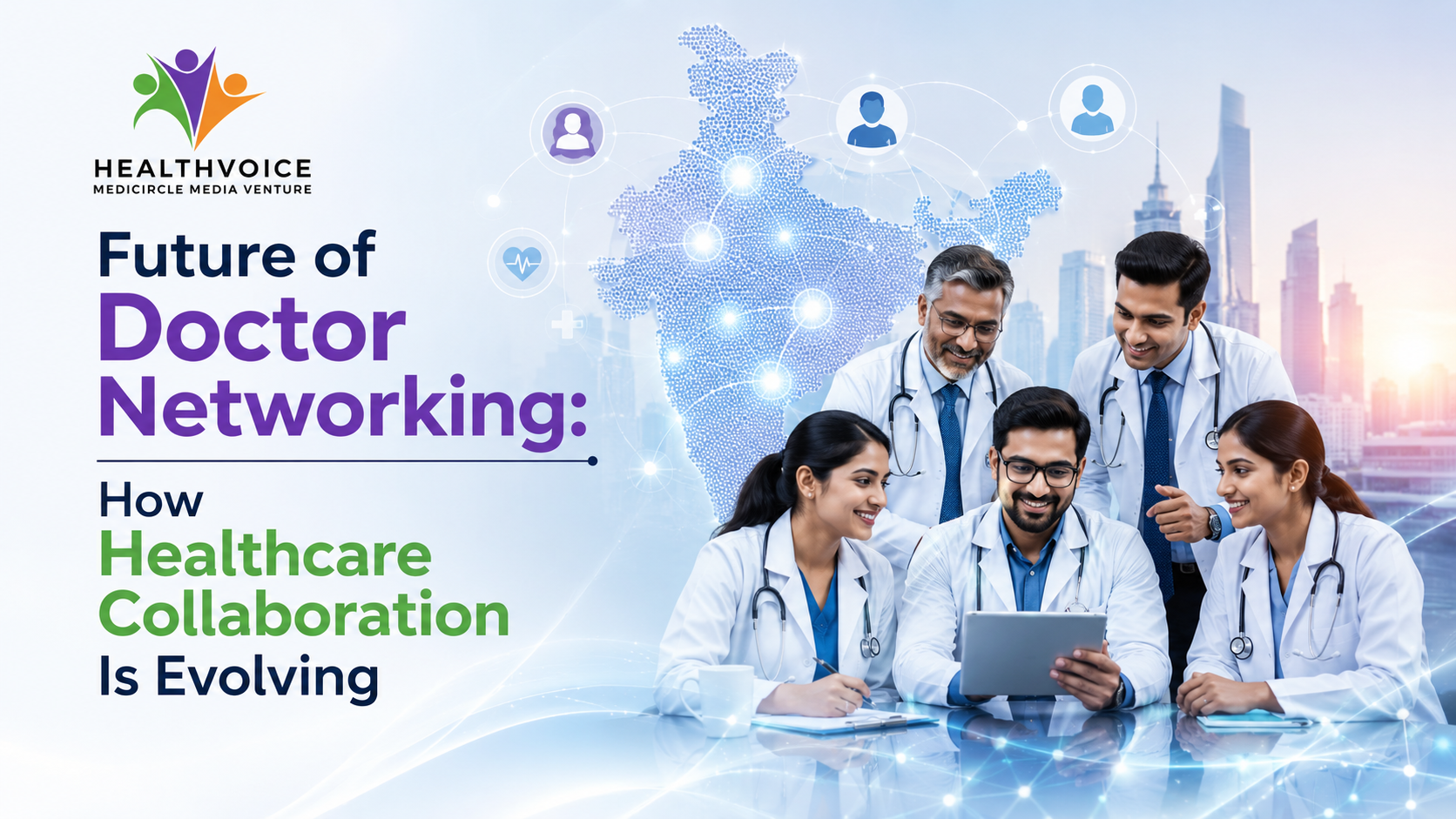
Future of Doctor Networking
Healthcare has always relied on relationships. Behind every diagnosis, referral, treatment plan, and medical breakthrough is a network of professionals exchanging knowledge and experience. However, the way doctors build and maintain these relationships is changing rapidly. The future of doctor networking is no longer limited to conferences, hospital corridors, and professional associations. It is becoming digital, data-driven, collaborative, and increasingly global.
For healthcare professionals, medical entrepreneurs, healthcare startups, hospital administrators, and even students entering the field, understanding how doctor networking is evolving is becoming essential. The future is not simply about knowing more people. It is about building smarter connections, accessing collective expertise faster, and participating in healthcare ecosystems that improve patient outcomes while creating professional opportunities.
Why Traditional Doctor Networking Is No Longer Enough
For decades, physician networking followed a predictable model. Doctors met during medical school, residency programs, hospital postings, professional conferences, and medical association events. These relationships often lasted throughout their careers.
While these methods still have value, modern healthcare has become significantly more complex.
A physician today may need to collaborate with specialists across different cities, hospitals, healthcare systems, and even countries. A patient with multiple health conditions often requires coordinated care from various specialists. The traditional networking model was never designed for this level of interconnected care.
The shift toward digital healthcare has accelerated this change. Telemedicine, electronic health records, virtual consultations, and multidisciplinary treatment planning require doctors to communicate more frequently and efficiently than ever before.
Another challenge is information overload. Medical knowledge doubles at a pace that makes it impossible for individual physicians to stay updated in isolation. Networking is no longer just a professional advantage. It has become a practical necessity for continuous learning and decision-making.
This transformation explains why the future of doctor networking focuses less on personal contact lists and more on intelligent professional ecosystems that connect expertise, knowledge, and opportunities in real time.
The Rise of Digital Medical Communities
One of the most significant developments in healthcare collaboration is the emergence of digital medical communities.
Doctors increasingly participate in specialized online platforms where they discuss cases, exchange research findings, seek second opinions, and share treatment experiences. Unlike traditional networking events that occur a few times a year, these communities operate continuously.
The real value comes from accessibility. A physician in a rural clinic can connect with experts from leading institutions without geographic limitations. Medical students can learn directly from experienced specialists. Healthcare entrepreneurs can understand real-world clinical challenges by engaging with practitioners.
Several factors are driving this shift:
- Knowledge sharing has become faster and more practical. Instead of waiting for conferences or publications, physicians can discuss emerging developments almost immediately and learn from real-world experiences.
- Geographical barriers have become less relevant. Specialists from different healthcare systems can collaborate on complex topics, creating broader perspectives and improving clinical understanding.
- Professional learning has become more continuous. Doctors no longer depend solely on formal educational programs. Networking platforms provide ongoing opportunities to exchange insights and stay updated.
Digital medical communities are creating a healthcare environment where collaboration happens daily rather than occasionally.
How Technology Is Reshaping Professional Healthcare Relationships
Technology is not simply making networking easier. It is fundamentally changing how professional relationships are formed and maintained.
In the past, networking often depended on proximity. Doctors connected because they worked in the same institution or attended the same event. Today, technology allows professionals to connect based on expertise, interests, specialties, and goals.
Artificial intelligence is beginning to play a role in this process. Healthcare networking platforms increasingly use intelligent matching systems to recommend relevant professional connections, educational opportunities, research collaborations, and discussion groups.
The result is a shift from random networking to purposeful networking.
For example, a cardiologist researching preventive care can instantly connect with researchers, public health experts, and healthcare technology innovators working on related topics. These connections would have been difficult to establish through traditional methods.
Technology is also improving communication quality. Secure platforms enable doctors to discuss cases, exchange medical knowledge, and coordinate care while maintaining privacy and compliance requirements.
The future of healthcare collaboration will likely involve networking systems that actively help physicians identify valuable relationships rather than requiring them to discover opportunities independently.
Doctor Networking and the Growth of Interdisciplinary Care
Modern healthcare problems rarely fit neatly into a single specialty.
A patient managing diabetes may also require cardiovascular care, nutritional guidance, mental health support, and lifestyle counseling. This reality has increased the importance of interdisciplinary collaboration.
Doctor networking is evolving to support this need.
Instead of building connections only within their specialty, physicians increasingly engage with professionals across multiple disciplines. These relationships improve communication and help create more comprehensive treatment strategies.
Several important changes are emerging:
- Collaborative treatment planning is becoming more common. Healthcare providers work together earlier in the patient journey, improving coordination and reducing fragmented care.
- Specialists are gaining broader clinical perspectives. Exposure to professionals from different disciplines helps doctors understand how various factors influence patient outcomes.
- Healthcare organizations benefit from stronger internal networks. Better communication between departments often leads to improved efficiency, reduced duplication, and enhanced patient experiences.
This trend suggests that future networking success will depend not only on the size of a professional network but also on its diversity.
The Role of Doctor Networking in Healthcare Innovation
Innovation rarely occurs in isolation.
Many healthcare breakthroughs emerge when clinicians, researchers, technology developers, entrepreneurs, and healthcare administrators work together. Networking creates the environment where these collaborations can begin.
Healthcare startups increasingly seek input from practicing physicians during product development. Medical professionals provide valuable insights into workflow challenges, patient behavior, and implementation barriers.
Similarly, physicians benefit from exposure to innovators developing new tools, platforms, and treatment approaches.
The future of doctor networking will likely strengthen these relationships even further.
Consider the development of digital health technologies. Successful solutions often require contributions from multiple stakeholders:
- Clinicians identify practical healthcare challenges.
- Researchers validate clinical effectiveness.
- Technology teams develop solutions.
- Healthcare administrators evaluate implementation feasibility.
- Entrepreneurs scale innovations for wider adoption.
Networking serves as the bridge connecting these perspectives.
As healthcare becomes more technology-driven, the ability to build cross-functional professional relationships may become one of the most valuable skills in the industry.
What Future Doctors Need to Understand About Networking
Medical students and early-career professionals are entering a healthcare environment that differs significantly from previous generations.
In the past, professional growth often depended on institutional reputation and local opportunities. Today, visibility, collaboration, and continuous engagement play a much larger role.
Future doctors should view networking as a professional development tool rather than a career strategy alone.
Effective networking helps physicians:
- Access diverse learning opportunities beyond traditional education.
- Stay informed about evolving medical practices and technologies.
- Build mentorship relationships across specialties.
- Discover research and innovation opportunities.
- Develop leadership and communication skills.
Importantly, successful networking is becoming less transactional and more community-driven. Professionals who consistently contribute insights, support peers, and participate in meaningful discussions often build stronger long-term relationships.
This shift rewards authenticity and expertise rather than self-promotion.
Challenges That Will Shape the Future of Doctor Networking
Despite its advantages, the future of doctor networking faces several challenges.
Information quality remains a concern. As digital communities grow, ensuring accurate and evidence-based discussions becomes increasingly important.
Professional burnout also affects participation. Many healthcare providers already face significant workloads, making it difficult to engage consistently in networking activities.
Privacy and security considerations present additional complexities. Healthcare communication must balance collaboration with patient confidentiality requirements.
Another challenge involves digital inequality. Not all healthcare professionals have equal access to networking technologies, educational resources, or professional communities.
Addressing these issues will be essential for creating networking systems that remain valuable, inclusive, and trustworthy.
The organizations that successfully solve these challenges may become central players in the next generation of healthcare collaboration.
What the Next Decade Could Look Like
Looking ahead, doctor networking will likely become more integrated into everyday clinical practice.
Rather than existing as a separate professional activity, networking may become embedded within healthcare workflows. Physicians could receive real-time access to expert communities, research updates, mentorship opportunities, and collaborative resources directly through digital healthcare platforms.
Artificial intelligence may help identify relevant experts, recommend educational content, and facilitate interdisciplinary collaboration.
Global professional communities will continue expanding, allowing healthcare professionals to learn from diverse healthcare systems and patient populations.
Most importantly, networking will increasingly focus on improving outcomes rather than simply expanding professional circles.
The future belongs to connected healthcare ecosystems where knowledge moves quickly, collaboration happens naturally, and professional relationships create value for both providers and patients.
Conclusion
The future of doctor networking extends far beyond traditional professional connections. It is evolving into a dynamic ecosystem that combines technology, collaboration, education, and innovation. As healthcare becomes increasingly interconnected, the ability to build meaningful professional relationships will become more important than ever.
For doctors, students, healthcare entrepreneurs, and organizations, understanding this shift is not simply about staying current. It is about preparing for a healthcare landscape where collaboration, shared expertise, and intelligent networking shape the future of patient care and professional growth.
FAQ (Frequently Asked Questions)
1. How will doctor networking change in the next 10 years?
The future of doctor networking will become more digital, collaborative, and data-driven. Instead of relying mainly on conferences and referrals, physicians will increasingly use healthcare collaboration platforms and digital medical communities to exchange expertise, discuss cases, and build professional relationships across geographic boundaries.
2. Why is professional networking becoming more important for doctors today?
Modern healthcare is becoming more interconnected, making collaboration essential. Strong physician networking helps doctors access specialized knowledge, stay updated on medical advancements, and participate in broader healthcare ecosystems that support better patient outcomes and professional growth.
3. What role does technology play in doctor networking?
Technology enables doctors to connect instantly with specialists, researchers, and healthcare innovators worldwide. Through medical networking platforms and digital healthcare communities, professionals can share insights, collaborate on complex cases, and learn from peers without being limited by location.
4. Can doctor networking improve patient care?
Yes. Effective clinical collaboration allows healthcare professionals to exchange knowledge, seek second opinions, and coordinate treatment plans more efficiently. Stronger interdisciplinary healthcare networks often lead to better-informed decisions and more comprehensive patient care.
5. How do digital medical communities benefit healthcare professionals?
Digital communities provide continuous access to discussions, research updates, and peer learning opportunities. Participation in online physician communities and professional healthcare networks helps doctors stay informed, expand expertise, and build valuable long-term professional relationships.
6. What networking opportunities should medical students focus on?
Medical students should focus on learning-oriented networking rather than purely career-focused networking. Engaging with medical mentorship networks and healthcare professional communities helps students gain practical insights, understand career paths, and build meaningful relationships early in their careers.
7. How does interdisciplinary networking help doctors?
Interdisciplinary networking connects doctors with professionals from different specialties, creating a broader understanding of patient care. Through collaborative healthcare systems and multidisciplinary medical networks, physicians can develop more comprehensive approaches to treatment and problem-solving.
8. What challenges could affect the future of doctor networking?
Challenges include information quality, professional burnout, privacy concerns, and unequal access to technology. Maintaining trustworthy digital healthcare collaboration while ensuring secure communication will remain a key focus for future medical networking platforms.
9. How can healthcare entrepreneurs benefit from doctor networking?
Healthcare entrepreneurs gain valuable insights into real clinical challenges through strong professional connections. Engaging with physician collaboration networks and healthcare innovation communities helps businesses develop solutions that align with actual healthcare needs and workflows.
10. What skills will be important for successful doctor networking in the future?
Future networking will require communication, collaboration, adaptability, and continuous learning. Professionals who actively participate in healthcare knowledge-sharing communities and contribute to professional medical ecosystems will be better positioned to build meaningful and productive relationships.
 Team Healthvoice
#DoctorNetworking #HealthcareCollaboration
