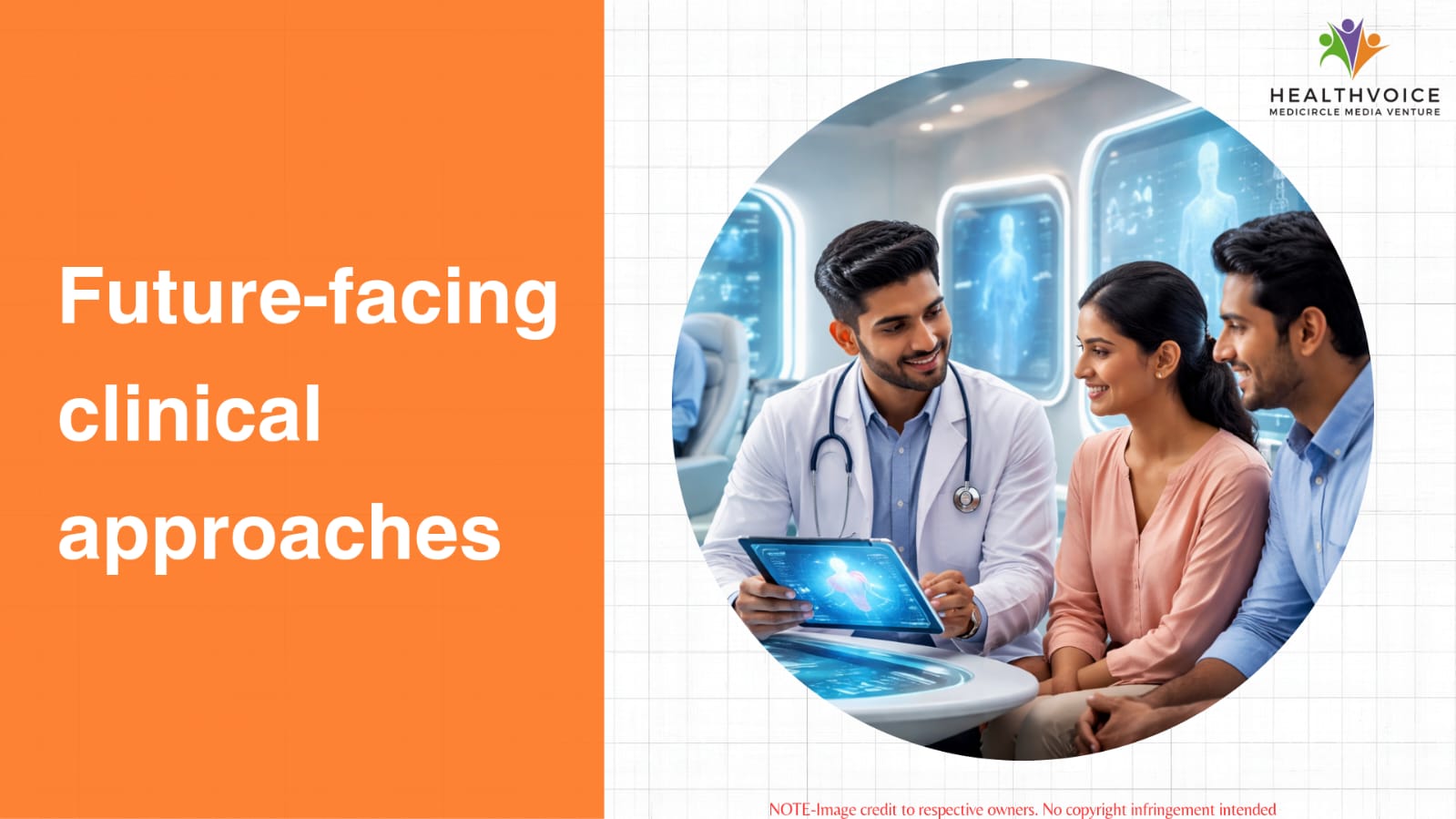
Future-facing clinical approaches
By moving beyond occasional clinic visits and focusing on continuous, evidence-based learning, individuals can take charge of their long-term well-being and become the architects of their own health.
In India, managing personal health often feels like trying to navigate a complex maze without the help of a map. On one side, patients encounter high level medical jargon from specialists. On the other side, they face a flood of unverified advice and conflicting internet rumors. Even though India possesses some of the finest medical talent in the world, there is still a noticeable disconnect between the advice given in a short consultation and the reality of managing that advice at home?
Closing this gap requires a fresh perspective. We must move away from a mindset that only seeks to fix problems when they break. Instead, we should move toward a lifestyle of proactive and informed management. When we prioritize continuous and evidence based learning over occasional doctor visits, we stop being spectators. We start becoming the primary architects of our own long term well-being.
Essential Patient Education:
The traditional healthcare model in our country is largely reactive. Most people typically wait for a symptom to become unbearable before they seek professional help. However, with the rapid rise of lifestyle related issues like thyroid disorders and hypertension, the reactive approach is no longer sufficient.
Standard medical guidelines are vital, but they do not always translate easily into the unique context of an Indian household. Dietary traditions and busy work schedules play a huge role in how we recover. True wellness happens when medical science is simplified into practical habits. By breaking down complex biological processes into clear steps, the anxiety of a new diagnosis is replaced by a sense of genuine control.
Logic over Trends:
We live in an era where high tech diagnostic tools exist alongside ancient wellness rituals. For the modern family, the challenge is discerning which new health trend is backed by science and which is just clever marketing.
A reliable health journey must be built on logic. For example, instead of forcing yourself onto a restrictive diet, it is far more effective to understand how your body processes sugar. When you understand the reasoning behind a recommendation, you are much more likely to stick with those changes for the long haul.
Structured Learning Benefits:
Social media has made many people consumers of bite sized health tips. While these short clips are convenient, they often lack the context necessary to make a real difference in your life. This scattered information can lead to frustration when your health markers remain unchanged.
The solution is structured learning. You should think of it as building a personal foundation of knowledge rather than just collecting random facts. Following a curriculum designed by clinical experts allows you to address the underlying causes of health issues. This is especially crucial for chronic conditions that require consistent and lifelong attention.
Prioritizing Mental Resilience:
For decades, health discussions in India focused strictly on the physical body. We are now finally acknowledging that the mind and the body are part of the same circuit. Chronic stress and burnout are not just mental hurdles. They have a direct and measurable impact on heart health and immunity.
Treating mental well-being with the same clinical importance as physical health is the only way forward. Whether it is mastering the science of sleep or learning how to regulate the nervous system, caring for your mind is a clinical necessity. It is the foundation upon which all other healthy habits are built.
Creating Health Partnerships:
The ultimate goal of modern medicine is to turn the patient into an empowered partner. When complex medical information is delivered in plain and honest language, the dynamic changes. You are no longer just following orders. You are making informed choices for your own future.
Taking the time to truly understand how your body functions is the most valuable investment you can make. By choosing a systematic and evidence based approach to daily life, we can move toward a future where good health is a steady reality.
 Team Healthvoice
#FutureOfHealthcare #PreventiveHealthcare #ProactiveHealth #PatientEducation #HealthLiteracy #EvidenceBasedMedicine #ChronicCareManagement #LifestyleMedicine #ThyroidCare #HypertensionManagement #MindBodyConnection #MentalResilience #StressManagement #StructuredLearning #InformedChoices #WellnessRevolution #HealthyHabits #HealthcareInnovation #healthvoice