The future clinician-technology relationship
The evolution of the clinician and technology partnership is a collaboration. By combining the precision of modern software with the soul of medicine, India is building a more human healthcare system.
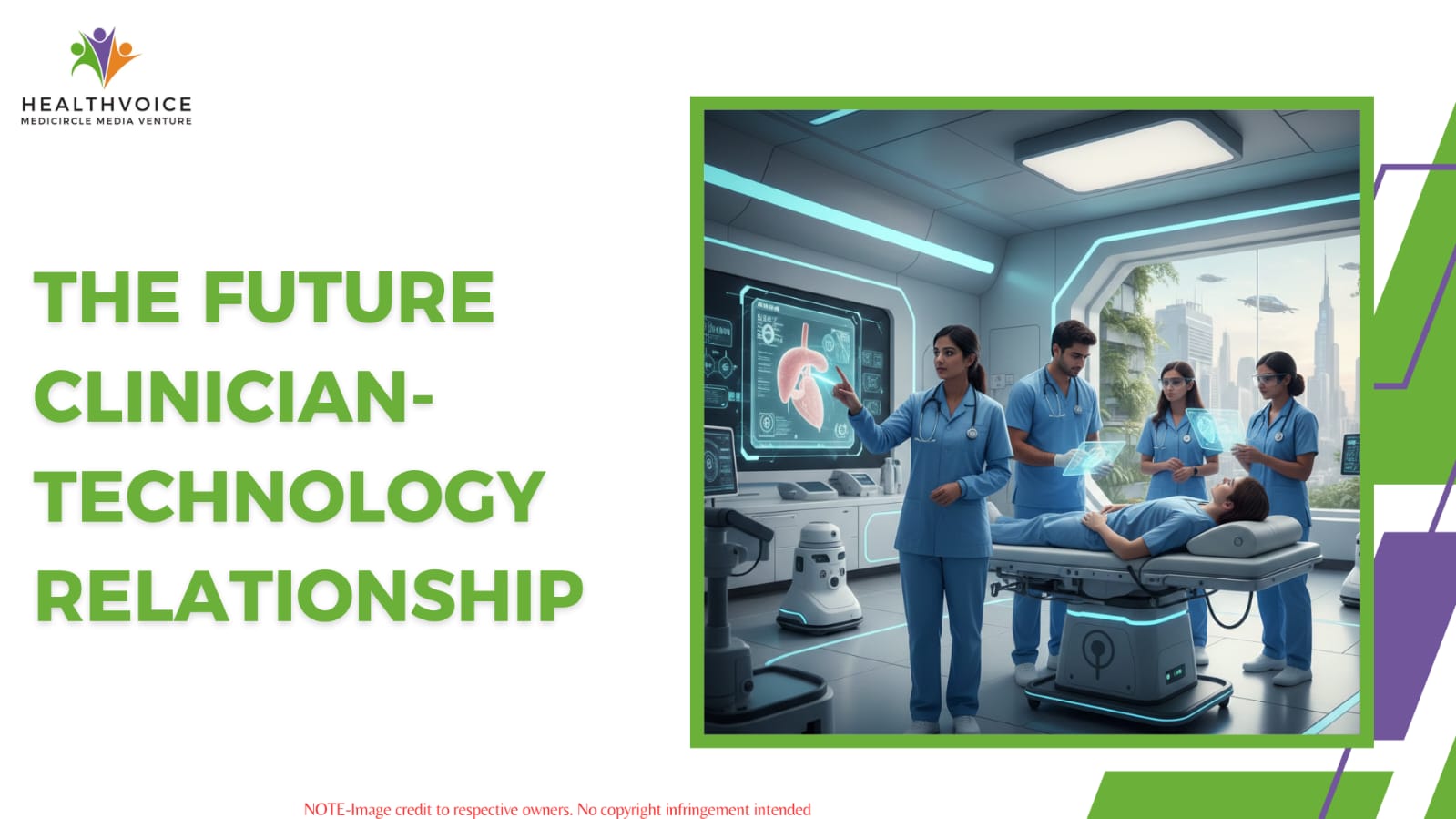
The traditional view of healthcare in India is shifting away from overcrowded waiting areas and piles of paper documents. As the year 2026 progresses, the instruments available to a clinician reach far beyond the classic stethoscope. A fresh era of intelligent medicine is arriving. The primary objective is not to substitute the physician. Instead, the goal is to revive the human bond that frequently disappears within the clerical mess of modern medical practice.
Restoring Eye Contact:
For a long time, the digital shift in clinics forced doctors to stare at computer monitors instead of their patients. Moving from physical files to electronic health records was a vital transition. However, this change often forced medical professionals to act like data entry staff.
The upcoming stage of this evolution addresses that issue using ambient technology. Modern artificial intelligence can now observe a medical consultation. These systems understand various Indian accents and multiple local languages to create clinical summaries as the conversation happens. This innovation permits the doctor to set aside the pen and move away from the keyboard to focus on listening. When a medical professional maintains eye contact with a patient, mutual trust grows. Within the Indian medical landscape, that specific trust serves as the bedrock for any effective healing process.
Prioritizing Critical Cases:
The massive number of patients in India creates significant pressure on the national health system. Clinicians frequently struggle to find the most life-threatening cases among many routine appointments. Technology is now functioning as a high-speed sorting mechanism.
Advanced predictive software and intelligent diagnostics now review scans and laboratory reports before a human does. If an imaging result shows a dangerous irregularity, the program highlights it immediately. This action moves that specific individual to the top of the priority list for the doctor. This process is not about allowing a computer to make the final diagnosis. It is about providing the specialist with a clear guide so they can direct their skills where the need is most pressing.
Care Beyond Clinics:
India is a country of immense variety, and medical services must adapt to those differences. A generic diet or a basic lifestyle suggestion may not work the same way in Punjab as it does in Kerala. We are moving toward a system of highly personalized treatment.
The common use of smart devices and remote tracking tools means a doctor can provide care outside of the hospital building. Whether a person lives in a large city or a small village, their health statistics can be checked at all times. A clinician no longer has to wait for a person to become sick before offering help. The doctor can identify a negative trend early and recommend a minor change in habits or medication. This shift changes the focus from treating illness to maintaining true wellness.
Value of Time:
A frequent worry about digital tools in medicine is that the experience will become cold or robotic. Actually, the reverse is true. By automating repetitive tasks like insurance forms and basic scheduling, technology returns the most significant resource to the doctor.
This recovered time is dedicated to showing empathy to those in need. It allows a physician to explain a difficult situation to a concerned family or to address the emotional challenges a patient faces. In the Indian context, where the link between doctor and patient is deeply personal, technology acts as a foundation that lets that relationship thrive.
Future of Collaboration:
The development of the partnership between clinicians and digital tools is not a contest. It is a cooperative effort. Organizations like HealthVoice lead this transition by ensuring that while the equipment is modern, the advice remains rooted in solid evidence and human kindness.
The physician of the future is an expert who uses digital precision to provide faster care without ignoring the human being. By combining the accuracy of software with the spirit of healing, we are creating a medical system that is more reachable and useful for every citizen.
 Team Healthvoice
#HealthcareIndia #FutureOfMedicine #AIInHealthcare #MedicalInnovation #SmartHealthcare #PredictiveAnalytics #ClinicalExcellence #PreventiveCare #PersonalizedMedicine #ConnectedCare #HealthcareTransformation #medicaltechnology #HealthLeadership #EvidenceBasedCare #healthvoice
