How Doctors Can Turn Research Into Professional Recognition
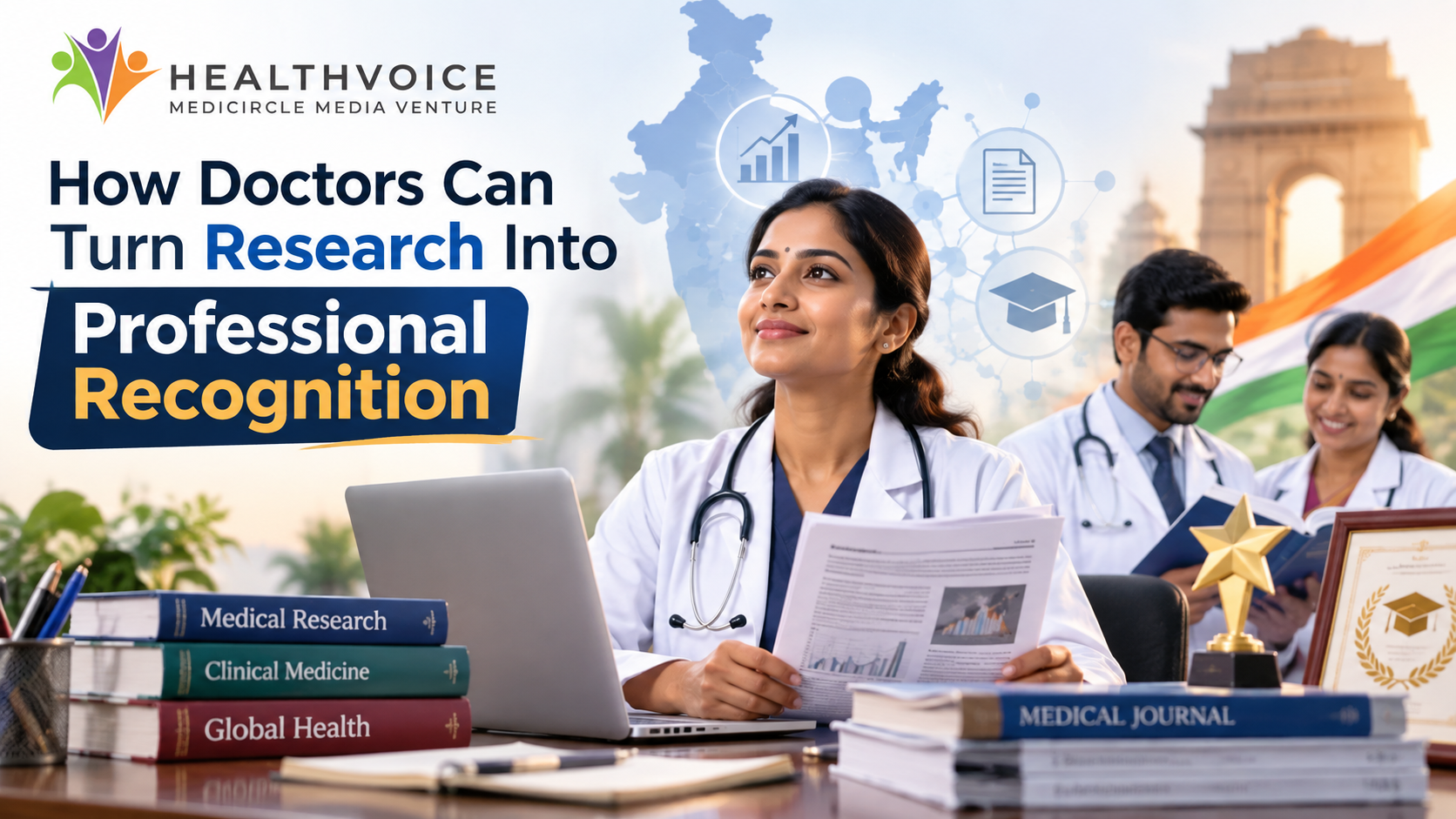
Research publication and strategic professional communication help Indian doctors convert clinical knowledge into lasting credibility, career recognition, and meaningful contribution to the national healthcare ecosystem.
Introduction
Medical research is one of the most powerful contributions a doctor can make to the profession. Yet for many Indian doctors, the journey from completing a study to earning recognition for it remains unclear, underutilized, and at times entirely overlooked. A substantial number of clinicians across India invest their time and intellectual effort into research during their postgraduate years or early practice, only to let that work remain buried in institutional repositories or unpublished drafts.
This gap between research output and professional visibility is not a reflection of the quality of work being done. It is largely a result of not knowing how to bridge the two. Research, when positioned and communicated strategically, can define a doctor's professional identity, open doors to academic collaborations, strengthen credibility with patients and peers, and create long-term career advantages that clinical practice alone cannot always provide.
India has a growing and increasingly competitive medical community. With over 13 lakh registered allopathic doctors and thousands graduating annually from medical colleges across the country, standing out requires more than just clinical competence. Professional recognition today is built through a combination of what a doctor knows, what a doctor contributes, and how visible that contribution becomes.
Understanding the Value of Research in a Doctor's Career
Research is not reserved for academics or those affiliated with large teaching hospitals. Any doctor, regardless of their specialty or practice type, can pursue meaningful inquiry and share findings that matter. The National Medical Commission (NMC) has increasingly emphasized research as a component of medical education and continuing professional development. The Indian Council of Medical Research (ICMR) actively supports doctors from varied institutional backgrounds through grants, fellowships, and collaborative research programs.
What many doctors do not fully appreciate is that research shapes professional authority. A cardiologist who has published findings on hypertension management in urban Indian populations is not just a treating physician. That doctor becomes a reference point, a voice in the clinical conversation, someone whose name appears when others search for expertise in that area. This kind of authority cannot be purchased or shortcut. It is built through demonstrated contribution, and research is one of the most credible pathways to building it.
Beyond individual credibility, research contributes to the broader healthcare system. India continues to face significant gaps in locally relevant clinical data. Studies conducted in Indian patient populations, addressing India-specific disease burden and healthcare delivery challenges, carry enormous value. When doctors engage with research and share their findings, they are contributing to a knowledge ecosystem that supports better care across the country.
From Completing Research to Making It Visible
The first and most critical step in translating research into recognition is publication. For many Indian doctors, the thought of submitting a paper to an indexed journal feels intimidating, particularly after years of clinical training that emphasized patient care over academic writing. However, the barriers are more manageable than they appear.
Choosing the right journal is essential. Doctors should aim for journals indexed in recognized databases such as PubMed, Scopus, or Web of Science. Indian journals with strong reputations, including the Indian Journal of Medical Research, the Journal of the Association of Physicians of India, and various specialty-specific publications, offer credible and accessible platforms for publication. New researchers should not begin by targeting the most competitive international journals. Instead, a well-structured study in a reputable Indian journal builds the publication track record that supports future submissions to higher-impact platforms.
Structured abstracts, clear methodology, and evidence-based conclusions are the foundations of a publishable paper. Many doctors benefit from working with a mentor, a senior colleague with publication experience, or a medical writer who understands how to present clinical data clearly. Collaboration on first publications is not a weakness. It is a common and practical approach used widely across the global research community.
Once a paper is published, the work of making it visible begins. Simply having a publication is not enough. The doctor must ensure that the research reaches the right audience, which requires deliberate communication.
Communicating Research Effectively Across Professional Channels
A published paper left unshared is recognition unrealized. Indian doctors today have multiple professional channels through which they can communicate their research findings and build visibility.
Medical conferences remain one of the most direct and impactful settings for research communication. Presenting findings at conferences organized by national associations such as the Indian Medical Association (IMA), specialty bodies like the Cardiological Society of India or the Indian Academy of Pediatrics, or state-level medical associations, puts a doctor's work in front of peers, seniors, and institutional decision-makers. Conference presentations create networking opportunities and often lead to collaborative invitations that further strengthen a doctor's professional profile.
Beyond conferences, digital platforms play an increasingly important role in how medical professionals build and demonstrate expertise. Doctor-focused platforms that enable the sharing of clinical insights, research summaries, and expert commentary allow doctors to establish a consistent professional voice. When a doctor shares the implications of their research in accessible language, they are not diluting the science. They are expanding its reach and ensuring that more peers, patients, and healthcare stakeholders can benefit from it.
Healthcare publications and medical community portals that are designed for medical professionals offer another strong avenue. Writing a brief article or clinical commentary based on a published study demonstrates the ability to translate dense research into readable expert insight. This kind of secondary communication reinforces the original publication and builds the doctor's identity as a thought leader in their area of work.
Building a Research-Based Professional Identity
Recognition is not a single event. It is a reputation built consistently over time. For doctors who want research to form the foundation of their professional identity, a few deliberate practices make a meaningful difference.
Maintaining an updated and accurate researcher profile across professional platforms, institutional directories, and academic indexes ensures that a doctor's work is discoverable. Google Scholar profiles, ORCID IDs, and ResearchGate pages are standard tools that serious researchers use to consolidate their publication record and make their body of work accessible globally. Indian doctors who complete even a small number of quality studies benefit greatly from having these profiles active and regularly updated.
Engaging with the research community through peer review is another underappreciated strategy. Serving as a peer reviewer for journals in one's specialty builds credibility, deepens understanding of publication standards, and places the doctor within the academic network of the field. Journals actively seek reviewers, and the process of evaluating others' work is a powerful professional development tool in its own right.
Mentoring junior doctors and medical students in research methodology is a further extension of research-based professional identity. A doctor who guides others through the research process earns recognition not only from their mentees but from institutions and associations that value academic leadership. Medical colleges and postgraduate departments across India consistently look for faculty and advisors who actively support research culture, and this creates institutional opportunities for doctors who are known for it.
The Role of Medical Communities and Platforms in Amplifying Recognition
Individual effort alone does not always translate efficiently into professional recognition. The environment in which a doctor operates matters significantly. Medical associations, hospital institutions, and digital communities all play a role in amplifying the research contributions of their members.
Platforms designed to support the professional voice of doctors are increasingly important in this context. When a doctor shares research insights through a credible community platform that is trusted by peers, the visibility gained is qualitatively different from what generic social media channels can provide. The audience is relevant, the engagement is professional, and the credibility signal is stronger.
HealthVoice exists precisely to serve this function for the Indian medical community. By offering doctors a structured, professional, and doctor-first environment to share their work, insights, and achievements, HealthVoice helps bridge the gap between doing research and being recognized for it. Doctors who engage with such platforms extend the reach of their contributions in a way that aligns with the expectations of professional credibility rather than undermining it.
Medical associations also play a critical role. Associations that actively promote member research through newsletters, event platforms, and community publications help normalize research communication as a professional habit rather than an exceptional achievement.
Recognition Through Research: Long-Term Career Implications
The cumulative effect of research-driven professional recognition on a doctor's career is substantial and multidimensional. Doctors with a visible research profile are more likely to receive invitations for expert commentary in the media, speaking opportunities at national and international events, and consideration for advisory roles in health policy and institutional governance.
In the Indian healthcare landscape, where public health challenges such as non-communicable disease burden, maternal health outcomes, infectious disease management, and mental health access continue to demand evidence-based solutions, doctors who contribute research are not just building personal careers. They are contributing to the infrastructure of knowledge that shapes healthcare delivery at the population level.
Research recognition also has direct implications for patient trust. Patients and their families increasingly research the credentials of the doctors they consult. A doctor whose work is published, cited, and communicated across credible platforms presents a level of expertise that supports stronger doctor-patient relationships and greater confidence in treatment decisions.
For doctors in Tier 1 cities like Mumbai, Delhi, Bengaluru, and Hyderabad, research visibility is rapidly becoming a differentiating factor in professional advancement. For doctors in Tier 2 cities and smaller towns, it represents an opportunity to gain national visibility and connect with a wider professional network despite geographic distance from major academic centers.
Conclusion
Medical research has the potential to define a doctor's professional journey in ways that clinical practice alone cannot. For Indian doctors, the pathway from completing a study to earning lasting professional recognition involves publishing thoughtfully, communicating research insights across the right professional channels, building a discoverable researcher identity, and engaging with the medical community in a sustained and credible way. Recognition built on genuine contribution is durable. It grows with every publication, every presentation, every peer engagement, and every moment a doctor chooses to share knowledge rather than keep it confined to an institutional shelf.
Frequently Asked Questions
Q1: How can a doctor in India start publishing research if they have no prior publication experience?
Doctors without prior publication experience can begin by reviewing case reports or small observational studies, which have a lower barrier to entry than large clinical trials. Working with a mentor or co-author who has publication experience helps considerably. Choosing a reputable Indian indexed journal for the first submission is a practical starting point. Many institutions and postgraduate departments also have research committees that can provide guidance.
Q2: Which databases should a doctor's research be indexed in for maximum credibility?
PubMed, Scopus, and Web of Science are considered the most credible international indexing databases for medical research. In the Indian context, journals listed in Index Medicus for South-East Asia Region (IMSEAR) and those included in the National Library of Medicine's catalog also carry strong credibility. Checking the indexing status of a journal before submission ensures that the published work will be discoverable and verifiable.
Q3: What is the role of an ORCID ID for Indian doctors who want professional recognition through research?
An ORCID (Open Researcher and Contributor ID) is a unique digital identifier that distinguishes a researcher's work across institutions and publications. For Indian doctors, having an active ORCID profile ensures that their publications are correctly attributed to them, particularly when common name similarities may create confusion. It also facilitates recognition on international platforms and is required by many journals during the submission process.
Q4: Can doctors who are not affiliated with a medical college or teaching hospital publish research?
Yes. Private practitioners, clinicians at non-teaching hospitals, and independent doctors can and do publish research. Collaborating with a medical institution for ethical clearance, access to patient data with proper consent, and methodological support is advisable. ICMR also has provisions for research support that extend to non-institutional clinicians through specific grant categories.
Q5: How does sharing research on professional platforms like HealthVoice support a doctor's recognition?
Sharing research on professional platforms allows a doctor's work to reach a targeted audience of peers, medical associations, healthcare brands, and institutional leaders who are actively engaged with clinical and professional content. Unlike general social media, platforms designed for the medical community offer a credible environment where research insights are consumed and respected in a professional context. This kind of visibility strengthens the doctor's authority within their specialty and widens their professional network.
Resources
- Indian Council of Medical Research (ICMR): Guidelines, research grant opportunities, and publications supporting Indian medical research
- National Medical Commission (NMC): Regulatory framework and continuing professional development guidelines for Indian doctors
- PubMed Central (PMC): International repository for peer-reviewed biomedical and life sciences research
- ORCID: Open Researcher and Contributor ID platform for building a verifiable researcher identity
- World Health Organization India: Country-level data, research priorities, and health system reports relevant to Indian medical practice
Interlinking Keywords
medical research publication India, doctor professional development, how to publish medical research, ICMR research grants, doctor career growth India, medical conference presentation, healthcare thought leadership, indexed medical journals India, NMC continuing medical education, HealthVoice doctor community
Last reviewed by:
Dr. Manthan Tripathi, HealthVoice Editorial and Medical Advisory Team, September 17, 2026
Disclaimer
The information provided in this article is intended for general professional awareness and educational purposes only. It does not constitute formal academic or legal advice regarding research publication, institutional affiliation, or professional credentialing. Doctors are encouraged to consult their respective institutional review boards, medical associations, and regulatory bodies for guidance specific to their practice and research context.
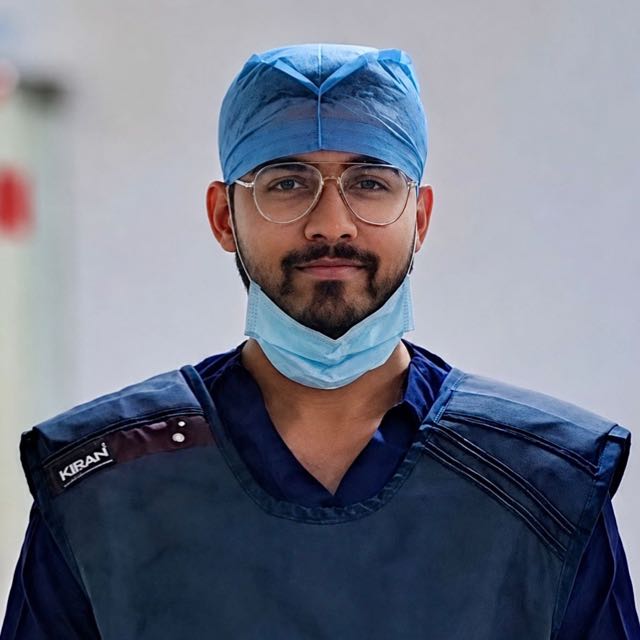 Dr. Manthan Tripathi
#MedicalResearch #DoctorRecognition