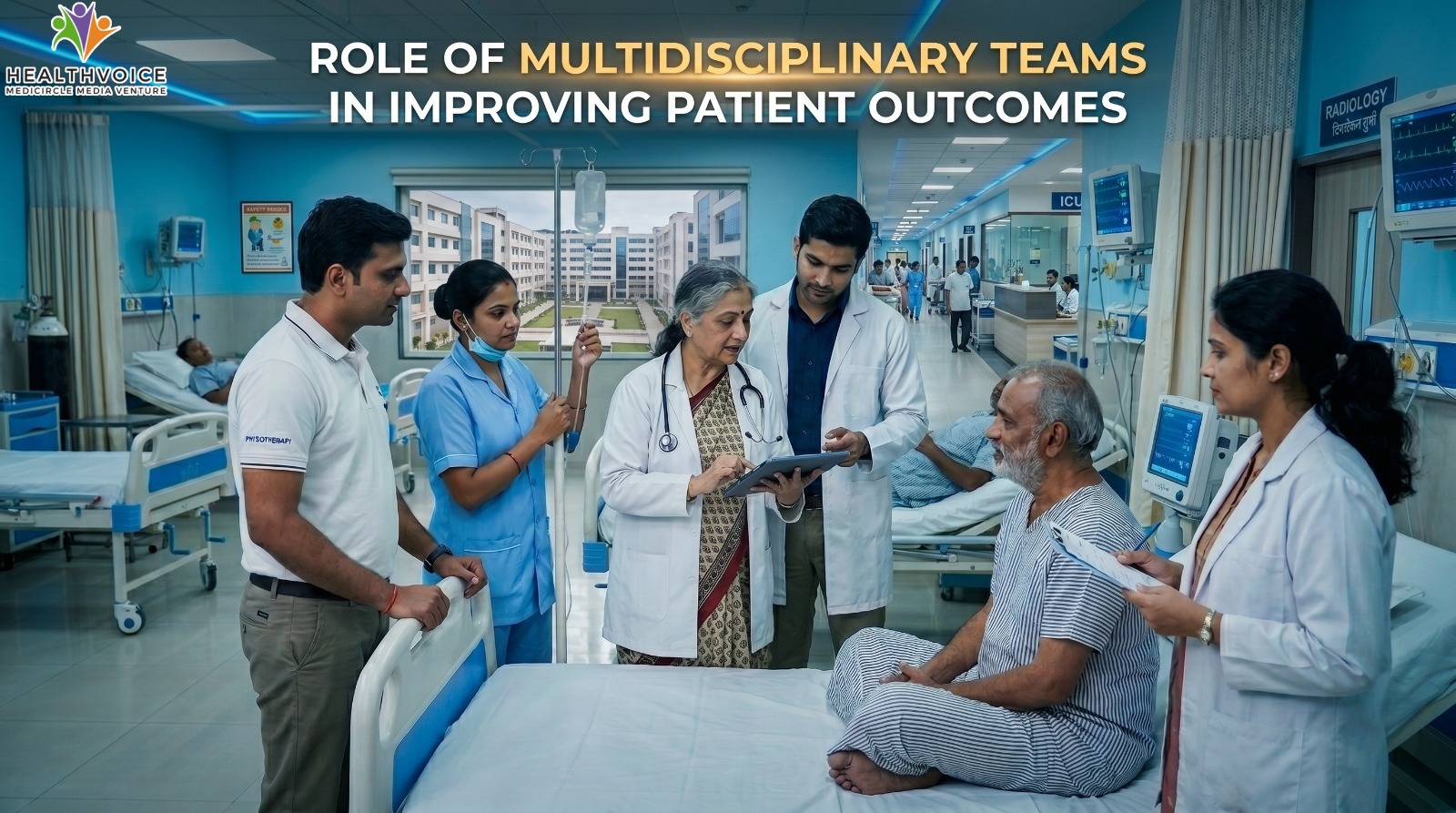
Role of Multidisciplinary Teams in Improving Patient Outcomes
Multidisciplinary teams provide holistic, collaborative healthcare by uniting specialists like neurologists and cardiologists. This approach reduces medical errors, prevents readmissions, and ensures a supportive experience for patients and families.
Multidisciplinary Care is the Future
The traditional image of healthcare featured a single doctor making every medical decision. As science advances and health issues become more complex, that isolated approach is being replaced by something much more effective. Clinics and hospitals across India are now adopting the Multidisciplinary Team (MDT) model. This involves a collaborative group of experts who surround the patient to provide complete care. Whether someone is searching for a skin specialist near me or a complex surgical team, the multidisciplinary approach ensures all bases are covered.
Whether a person is managing a long term condition like diabetes or preparing for a major surgery, the best results rarely come from one person alone. These results come from a synchronized effort where specialists, nurses, and therapists work together. This shift is not only about Microsoft teamwork. It is a proven way to speed up recovery and reduce medical mistakes. When you visit a doctor near me general physician, they may now refer you to a broader team rather than acting in total isolation.
Defining Multidisciplinary Teams
You should think of this team as a collective brain trust for your personal health. Instead of visiting a cardiologist and then a nutritionist in separate buildings, this model brings all professionals together. In an Indian healthcare setting, this team usually includes consultants, general practitioners, nursing staff, and pharmacists. Many people looking for gastroenterology near me or dermatology services now find that these specialists work within these integrated units.
The success of this model happens when these professionals communicate with each other frequently. Fragmented care often leads to conflicting advice or repeated medical tests. The team builds a single and unified roadmap for the patient instead. This ensures that every part of your well-being, from neurologic health to general medicine, is considered at the same time.
Prioritizing Safety through Collaboration
In busy hospital systems where doctors see many patients every day, the risk of missing a small detail is real. A team-based approach acts as a built-in safety net for everyone involved. When multiple experts look at the same case from different angles, they are much more likely to catch potential issues early. This is especially true in specialized fields like ophthalmology or when managing complex drug regimens.
For example, a clinical pharmacist might notice that two different specialists have prescribed medications that should not be taken together. A nurse might spot a subtle change in physical strength that a physician near me on a quick round could miss. By pooling their observations, the team ensures that patient safety is managed before a problem occurs. Even a skin specialist doctor near me can provide vital input into a patient's systemic health during these group reviews.
Successful Hospital Discharge
A common frustration for families in India is the frequent return to hospital stays. A patient is treated and sent home but then returns a week later because of a complication. Teams work hard to break this cycle by focusing on comprehensive discharge planning. By involving home care experts and even a pediatrician near me for younger patients before they leave their bed, the team makes sure the family knows exactly how to manage recovery.
Managing Chronic Diseases
India is currently facing a surge in chronic lifestyle conditions such as hypertension. These are not problems that can be fixed with a one-time surgery. Instead of just getting a prescription, a patient works with a specialist to manage medications and a dietitian to adapt favorite local recipes. This whole person approach, often involving rheumatologists or gastroenterologists, helps patients stay stable and prevents the health crashes that lead to emergency room visits.
Improving the Patient Experience
Anyone who has cared for a sick loved one knows it is exhausting to act as a messenger between departments. It creates a great deal of unnecessary anxiety for the family. Multidisciplinary care removes that burden from the shoulders of the family members. Whether you need an ent near me or an ear nose and throat near me, having them in one coordinated team simplifies the process.
When a team works as one unit, the family receives clear and consistent updates. You are not left trying to decode conflicting opinions from different neurologists near me. This transparency builds a deep sense of trust. In our culture, having a team that communicates clearly provides massive emotional relief during a stressful time.
Involved Decision Making
A great healthcare team does not just talk about you. They talk with you throughout the process. Modern care emphasizes shared decision making. This means the team explains the options in plain language and listens to your concerns. When you book a doctor appointment, you should feel like a partner. When you are part of the plan, you are much more likely to follow the treatment and see great results.
Technology and Team Coordination
The digital revolution is making team-based care easier than ever to access in India. With Electronic Health Records, every member of your team has instant access to your latest test results, such as those from Dr. Lal Pathlabs near me. This means there is no more lost paperwork or repeating tests because a file did not reach the next office.
We are also seeing the arrival of artificial intelligence tools that handle the repetitive parts of medicine. This technology frees up your Doctor near me and nurses to focus entirely on your recovery. It acts as an invisible thread that keeps the team connected and informed throughout the day. From eye care to complex surgery, digital tools are the backbone of the modern team.
Implementation Steps for Hospitals
Building a great team is not just about putting people in one room. It is about a culture of mutual respect. For this model to succeed, hospitals focus on structured meetings and clear ownership. Everyone must know who is responsible for which part of the care plan. Encouraging everyone to speak up if they see a concern is also vital. Whether it is a gynecologist’s team or a general surgical unit, communication is key.
Questions about Collaborative Care
Does involving more doctors make the bill more expensive? It usually saves money in the long term. By getting the treatment right the first time and avoiding errors, this approach is the most budget friendly way to get well. You can always ask your physician doctor near me how different specialists are coordinating your care. This teamwork is helpful for everything from a healthy pregnancy to recovering from sports injuries.
Final Summary
The move toward multidisciplinary teams is a positive change for Indian healthcare. By moving past old methods and embracing collaboration, we are making medicine safer and more human. A team is a group of people dedicated to your recovery. As technology makes it easier for experts like heart doctors near me or a gastrologist near me to stay connected, the quality of care will continue to improve. Healing is a journey and it is always better to have a dedicated team walking that path with you.
 Team Healthvoice
#MultidisciplinaryCare #PatientCenteredHealthcare