The Role of Community-Led NGOs in Bridging the Urban Slum Healthcare Gap
The speed of global urbanization over the past few decades has transformed major cities into bustling centers of economic growth. However, this expansion has also led to a massive increase in informal settlements, unplanned urban pockets, and densely populated slums.
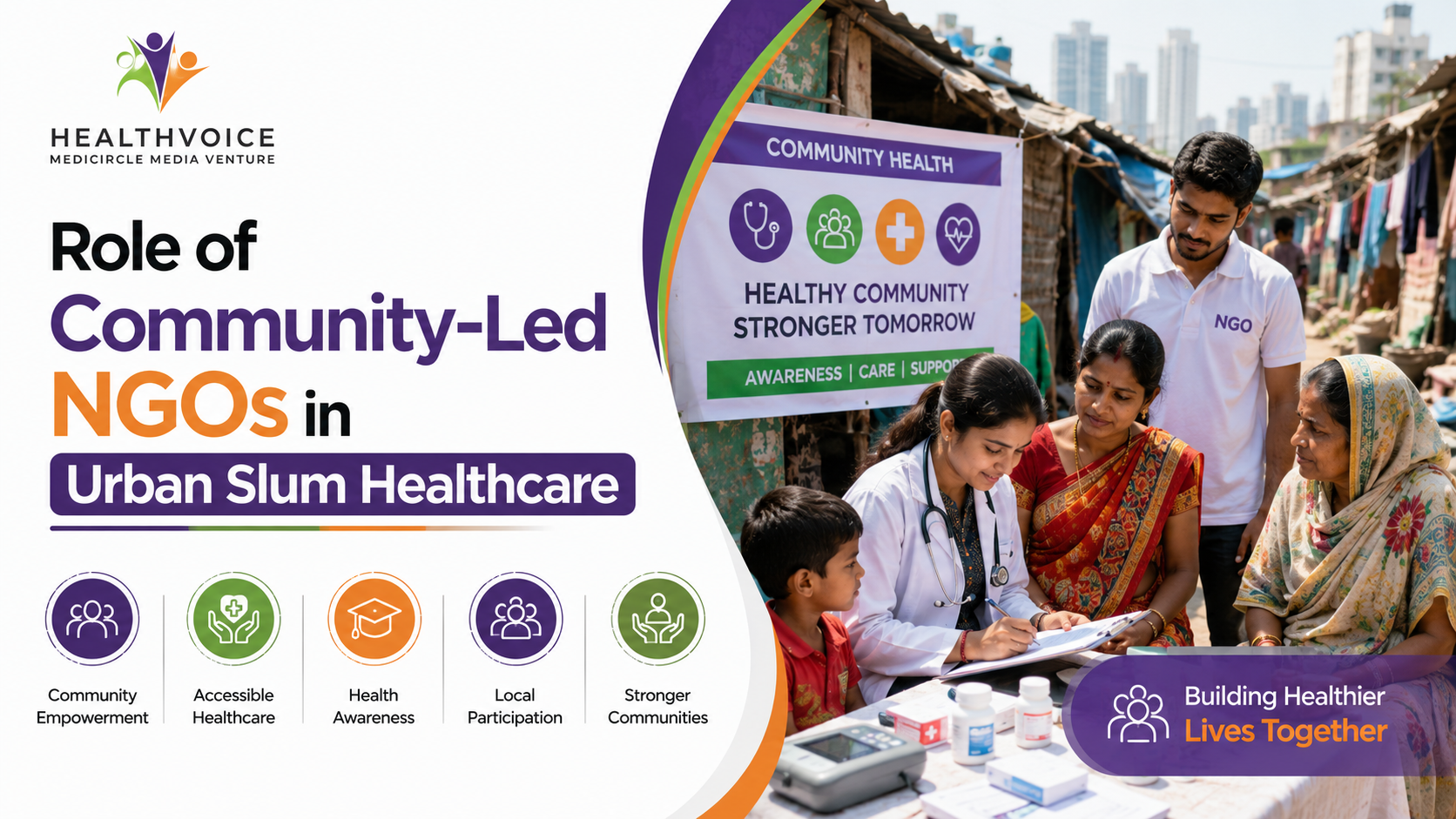
The speed of global urbanization over the past few decades has transformed major cities into bustling centers of economic growth. However, this expansion has also led to a massive increase in informal settlements, unplanned urban pockets, and densely populated slums. Today, over one billion people globally live in urban informal settlements, facing severe structural inequalities, limited sanitation infrastructure, and poor access to basic medical services.
While urban centers often house advanced tertiary care facilities, super-specialty hospitals, and modern diagnostic chains, these services remain largely out of reach for slum residents. High out-of-pocket costs, lack of formal documentation, geographic barriers, and socio-economic marginalization create a vast urban slum healthcare gap. In this challenging landscape, community-led non-governmental organizations (NGOs) serve as vital lifelines. By operating at the intersection of public policy, primary healthcare, and grassroots advocacy, these organizations build resilient, sustainable healthcare networks where formal state infrastructure falls short.
1. Mapping the Anatomy of the Urban Slum Healthcare Gap
To understand how community-led NGOs make a difference, it is essential to first analyze the unique health challenges faced by informal urban settlements:
- The Urban Paradox: While physical distance to a hospital might be short in a city, the actual barrier to care is high. Financial constraints, long waiting times in overwhelmed public facilities, and fear of lost daily wages prevent urban poor families from seeking timely medical help.
- Environmental Health Vulnerabilities: High population density, inadequate sewage systems, limited access to clean drinking water, and poor indoor ventilation drive high rates of communicable diseases. Waterborne illnesses, vector-borne fevers, upper respiratory infections, and tuberculosis spread rapidly in these environments.
- The Dual Disease Burden: Slum populations face a double burden of health challenges. Alongside infectious diseases, chronic lifestyle conditions—such as Type 2 diabetes, hypertension, and cardiovascular issues—are rising sharply due to dietary changes, chronic environmental stress, and limited health awareness.
- Unregulated Private Sector Reliance: Due to overcrowded public clinics, many slum residents turn to informal, uncertified local healthcare practitioners. While these providers are accessible, they often lack formal medical training, leading to misdiagnoses, inappropriate antibiotic use, and inflated out-of-pocket medical expenses.
2. Core Operational Pillars: How Community-Led NGOs Transform Care
Community-led NGOs do not simply replicate traditional hospital models; they redesign healthcare delivery to suit the daily realities of informal settlements. Their approach relies on several key operational strategies:
A. Deployment of Community Health Workers (CHWs)
The foundation of any successful community-led NGO is its network of frontline Community Health Workers—frequently local women recruited directly from the neighborhoods they serve.
- Trust and Cultural Resonance: Because CHWs live in the community, they understand local social dynamics, language nuances, and cultural sensitivities, making residents much more receptive to health advice.
- Door-to-Door Health Audits: CHWs conduct regular home visits to track maternal health progress, monitor child immunization schedules, identify early signs of chronic illness, and ensure patients complete long-term treatments like tuberculosis therapy.
- Bridging the Referral Chain: Frontline workers act as navigators, guiding patients through complex public hospital systems, helping them secure official health IDs, and ensuring they receive appropriate follow-up care.
B. Mobile Medical Units and Micro-Clinics
To address geographic and financial barriers, NGOs bring medical care directly to the community through mobile health vans and evening micro-clinics.
- Flexible Operating Hours: Micro-clinics operate during late afternoons or evenings, allowing daily wage laborers, domestic workers, and street vendors to consult a doctor without losing a day's income.
- Point-of-Care Diagnostics: Mobile units carry portable diagnostic tools—such as digital blood pressure monitors, rapid blood glucose strips, point-of-care hemoglobinometers, and basic ultrasound devices—enabling instant health screenings right in the neighborhood.
- On-Site Medication Distribution: Providing essential generic medicines directly at the mobile clinic prevents prescription drop-off caused by the high cost of commercial pharmacies.
C. Preventive Education and Environmental Health Advocacy
Community-led NGOs recognize that long-term health improvements require addressing the underlying social determinants of health.
- Sanitation and Water Safety Campaigns: Organizations lead grassroots initiatives to chlorinate community water points, construct safe sanitation facilities, and teach proper waste management techniques.
- Nutritional Support Networks: NGOs run community kitchens, distribute fortified food packs to undernourished children and pregnant mothers, and educate families on low-cost, nutritious meal planning using locally available ingredients.
3. Specialized Focus Areas: Maternal, Child, and Infectious Disease Care
Maternal and Neonatal Care
Slums frequently record higher rates of maternal mortality, neonatal complications, and low birth weights due to severe maternal anemia and unmonitored home deliveries. Community NGOs address these challenges by providing comprehensive Antenatal Care (ANC) tracking, distributing iron-folic acid supplements, conducting regular health checks, and arranging safe transport for institutional births at municipal hospitals.
Malnutrition and Child Survival
Malnutrition remains a leading contributor to under-five mortality in informal urban settlements. NGOs run neighborhood-based screening centers using Mid-Upper Arm Circumference (MUAC) tapes to spot early signs of severe acute malnutrition (SAM). Identified children receive immediate therapeutic food supplements and are linked to specialized government nutritional rehabilitation centers.
Tuberculosis (TB) and Chronic Disease Management
Tuberculosis thrives in crowded, poorly ventilated environments. NGOs actively find cases by screening residents with persistent coughs and collecting sputum samples right at their doorsteps. Once a diagnosis is confirmed, community workers oversee Directly Observed Therapy (DOTS) regimens, ensuring patients complete their full course of medication and preventing the spread of drug-resistant TB strains.
4. Policy Alignment and Public-Private-Community Partnerships
Independent community initiatives achieve their greatest scale when integrated into broader national public health frameworks and corporate social responsibility (CSR) models.
Integration with State Health Initiatives
Rather than creating parallel medical systems, effective NGOs align their efforts with official government health schemes. In India, for example, NGOs partner with municipal corporations to support public health initiatives like the National Urban Health Mission (NUHM). They assist local healthcare teams (such as Accredited Social Health Activists or ASHA workers) by mapping slum pockets, building community registries, and organizing neighborhood vaccination drives.
Corporate Social Responsibility (CSR) and Technical Innovation
Modern healthtech innovations give community NGOs new tools to scale their work efficiently:
- Digital Health Registries: NGO workers use tablet-based applications to record patient medical histories, set automated appointment reminders, and track continuous health metrics across thousands of households.
- Telemedicine Connectivity: Mobile health vans equipped with basic internet links allow local nurses to connect patients directly with offsite doctors, bringing specialist medical advice into the heart of informal settlements.
10 Frequently Asked Questions (FAQs)
Q1. Why are state-run public healthcare facilities often underutilized by urban slum residents?
Public facilities are often located far from informal settlements, involve long wait times that disrupt daily wage earning, and can require complex paperwork. Additionally, a lack of awareness about available public health schemes leads many residents to rely on uncertified local providers instead.
Q2. How do Community Health Workers (CHWs) build trust in informal urban settlements?
CHWs are typically recruited directly from the neighborhoods they serve. Living in the same community allows them to understand local social structures, speak the regional dialect fluently, and build long-term personal relationships, making residents far more likely to accept medical advice and health screenings.
Q3. What is the role of mobile medical units in closing the urban healthcare gap?
Mobile medical units bring essential primary care services directly into underserved neighborhoods. They offer flexible operating hours, basic health screenings, point-of-care laboratory tests, and free generic medications, removing the time and cost barriers associated with traveling to a distant hospital.
Q4. How do NGOs help combat high tuberculosis (TB) rates in crowded urban slums?
NGOs combat TB through active door-to-door screening, collecting sputum samples at home, and providing Directly Observed Therapy (DOTS) support. Community health workers ensure patients complete their multi-month treatment plans, which stops transmission and reduces the risk of drug-resistant strains.
Q5. Can community-led NGOs help slum residents access government health insurance schemes?
Yes. NGOs run community help desks that assist families in navigating bureaucratic requirements, securing necessary documentation, and generating digital health cards. This support enables residents to access cashless medical treatments at empanelled public and private hospitals.
Q6. How do NGOs address child malnutrition in informal settlements?
NGOs use simple diagnostic tools like Mid-Upper Arm Circumference (MUAC) tapes to screen children for malnutrition during door-to-door visits. They distribute ready-to-use therapeutic foods, offer nutritional education to parents, and connect severe cases to specialized medical care centers.
Q7. How do digital health tools assist NGO field workers in urban slums?
Digital tools enable field workers to create paperless patient registries, track maternal and child immunization schedules, receive automated alerts for follow-up visits, and share health data securely with supervising medical officers in real time.
Q8. What is the difference between a general charity and a community-led health NGO?
While a general charity may focus on short-term aid distribution, a community-led health NGO focuses on long-term systemic change. They build sustainable local healthcare infrastructure, train neighborhood health workers, partner with public health authorities, and empower residents to advocate for their own medical rights.
Q9. How do community health programs support mental health in informal urban settlements?
NGOs address urban mental health by training frontline workers to recognize signs of chronic depression, anxiety, domestic stress, and substance abuse. Workers offer basic psychological support, organize community support groups, and refer severe cases to mental health professionals.
Q10. How can corporate funding support community-led NGO healthcare initiatives?
Corporate Social Responsibility (CSR) funding provides the financial resources needed to purchase mobile health vans, fund point-of-care diagnostic equipment, support digital tracking software development, and provide continuous training for frontline community health workers.
5. Conclusion: Building Sustainable, Inclusive Urban Health Systems
Bridging the urban slum healthcare gap is one of the most pressing public health challenges facing rapidly growing cities today. Achieving true health equity requires looking beyond large metropolitan hospitals and focusing on accessible, primary healthcare at the neighborhood level.
Community-led NGOs serve as essential bridges in this process. By placing trusted local health workers at the center of care, leveraging mobile diagnostic tools, and integrating with broader public health programs, these organizations demonstrate that quality healthcare can reach even the most resource-constrained urban environments. Investing in and scaling these grassroots models is not just an ethical priority—it is a vital strategy for building resilient, healthy, and prosperous cities for everyone.
 Team Healthvoice
#CommunityHealthcare #HealthEquity