The Modern Indian Doctor: Why Leading is as Vital as Healing
Clinical leadership is a vital mindset shift for Indian doctors, moving beyond technical skill to advocate for patients, integrate digital tools, and lead ethical, collaborative, and accessible healthcare systems.
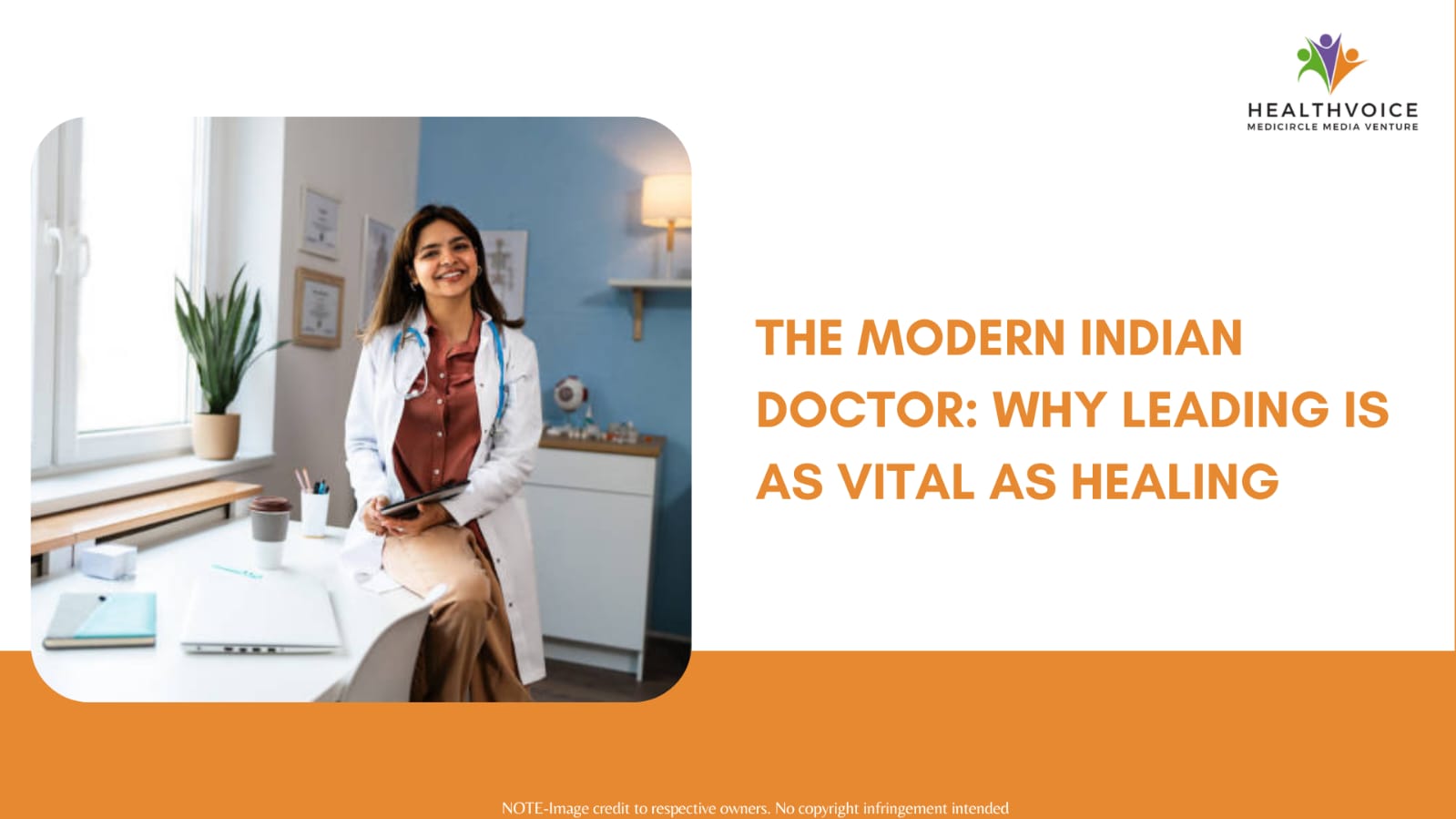
In the rapidly changing environment of Indian healthcare, the standards for what defines an excellent physician are shifting significantly. For many generations, a doctor was judged solely by their ability to provide an accurate diagnosis and perform precise surgical procedures. While these technical abilities remain the essential core of the profession, the medical landscape in India is becoming far more complex. Modern medicine now demands a new characteristic known as clinical leadership. This role does not require a formal administrative title or an executive position. Instead, it represents a fundamental change in how a physician approaches their work. It is the capacity to look past the immediate prescription and take full ownership of the patient experience within a complicated and frequently stressed system.
Evolving Patient Relationships:
The traditional style of medical practice in India was often based on a hierarchy where the physician issued commands and the patient followed them without question. This old model is rapidly disappearing as patients become more informed and expect greater transparency from their healthcare providers. In this new era, the role of the clinician has transformed into that of an educator and a dedicated partner. True leadership is visible when a doctor takes the initiative to improve the care environment for everyone. For example, a surgeon might identify a recurring delay in the operating room and work with the support staff to create a more efficient schedule. A general practitioner might notice that many families cannot afford expensive medications and lead an effort to provide equally effective and affordable alternatives. These actions demonstrate that leading is about improving how care is delivered to the entire community.
Humanizing New Technology:
India is currently experiencing a massive surge in digital health solutions and technological integration. New government initiatives and tools such as artificial intelligence are becoming common features in modern clinics. However, a true leader understands that these innovations are meant to support human judgment rather than replace it. A forward-thinking physician uses digital records to ensure that a patient history is always accessible and never lost. They approach new tools with a sense of cautious optimism. This means they are willing to use advanced technology to improve accuracy while ensuring that every final medical decision is based on the specific human needs of the person in front of them. Leadership in this area is about keeping the human touch at the center of a high-tech world.
Integrating Specialized Care:
The current medical field is highly specialized, which is beneficial for treating specific conditions but can sometimes result in a fragmented experience for the patient. A person suffering from multiple chronic illnesses often feels overwhelmed when they must visit several different departments that do not communicate with each other. Clinical leadership serves as the essential link that connects these different areas of expertise. We need physicians who can act as coordinators to create a single and unified treatment plan. By building a culture of mutual respect and open communication among all medical professionals, leaders ensure that no patient is ever overlooked during their journey through the healthcare system.
Ethics of Innovation:
Practicing medicine in India involves the unique challenge of providing high quality care while working within limited financial and physical resources. This situation is where medical leadership meets professional ethics. A clinical leader must find creative ways to make sure that the best treatments are accessible to all people regardless of their personal wealth. This responsibility requires making difficult ethical choices on a daily basis. It involves serving as the moral center of the medical facility and prioritizing the health of the patient above all else. Leading by example through honesty and fairness is the only way to build lasting trust with the public.
Mentoring Future Physicians:
The evolution of the healthcare system in India cannot be accomplished by a single generation of doctors alone. It requires a continuous effort to guide and train the next group of medical professionals. Experienced clinicians have a responsibility to look beyond test scores and help students develop essential interpersonal skills. By encouraging younger doctors to manage small projects or lead clinical reviews, we prepare them for a future that is more transparent and demanding. We are not merely training individuals to be skilled technicians. We are helping them become the future leaders and pillars of their communities.
Vision for Future:
The future of medical practice in India is bright, but it requires a change in our collective perspective. We must move away from a narrow focus on individual treatment and embrace a broader philosophy of comprehensive care. Clinical leadership is the vital force that turns a scientific discovery into a meaningful result for a patient in a busy city or a remote village. This journey requires both professional intelligence and a deeply empathetic heart. When doctors choose to lead, they do more than heal individuals because they begin to improve the entire healthcare structure.
 Team Healthvoice
#IndianHealthcare #ModernMedicine #HealthcareInnovation #PatientCenteredCare #MedicalEthics #DigitalHealthIndia #HealthcareTransformation #PhysicianLeadership #FutureOfMedicine #MedicalEducation #HealthcareQuality #DoctorPatientRelationship #IntegratedCare #healthvoice
