10-Minute Miracle or Medical Mayhem? Blinkit’s New Move Redefines Urban Healthcare Access
Flexibility, regional customization, patient education, and continuous quality control will determine whether Blinkit’s ten-minute prescription delivery becomes a blueprint for the future or a cautionary tale of convenience gone too far.
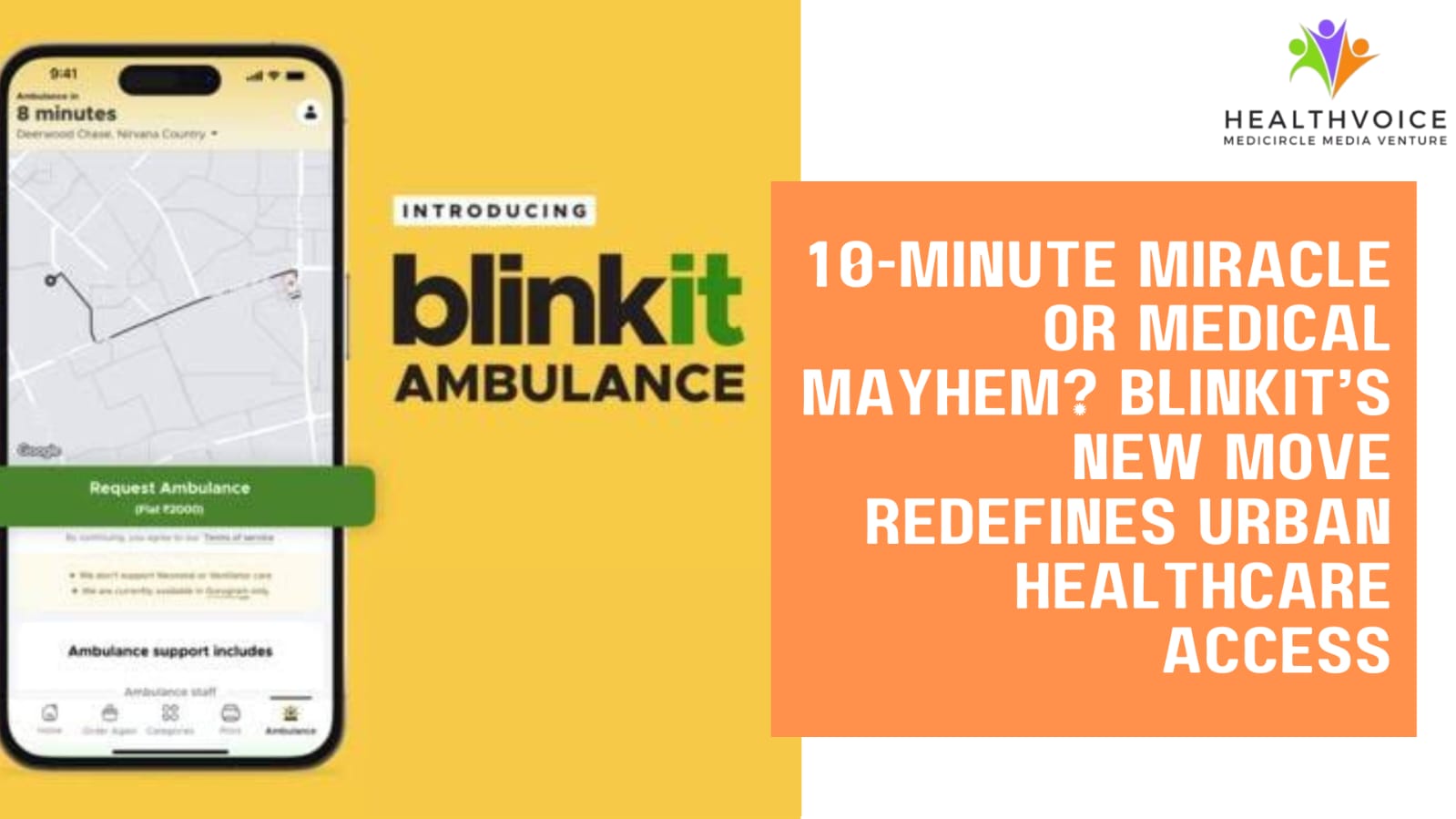
The sound of a doorbell within ten minutes of placing a prescription order might seem like fiction, but for Bengaluru residents, it’s fast becoming a reality. Blinkit, already known for its lightning-fast delivery of groceries, has now ventured into the sensitive and regulated world of medicine delivery offering prescribed drugs in just ten minutes. But that’s not all. With the added promise of free online consultation by certified doctors, this new service could potentially reshape the way urban India approaches outpatient healthcare.
At first glance, the move appears revolutionary. A resident, stuck at home with a fever or mild infection, might not need to brave traffic or stand in pharmacy queues anymore. With just a few clicks, they can upload a valid prescription, get a quick consult if needed, and receive the medicine before a cup of tea cools down. For city dwellers used to instant services in every other sphere of life, this could be the natural progression of convenience culture meeting healthcare demands.
But the moment one dives deeper, the real picture begins to unfold, revealing layers of opportunity, responsibility, and risk. The concept of rapid prescription medicine delivery is not entirely new globally. In countries like the US and UK, certain pharmacy chains have been experimenting with express delivery models. However, India’s healthcare ecosystem is unique, marked by fragmented retail pharmacies, variable compliance with regulations, and immense diversity in healthcare access and literacy levels.
The core promise of Blinkit’s pilot lies in its urban-centric design. Bengaluru, with its tech-savvy population, busy professionals, and rising acceptance of digital health services, offers a perfect testing ground. If successful, this model could spread like wildfire to other metros and tier-one cities. One could imagine a future where even minor ailments are managed entirely through digital channels within an hour. For the urban population, time is often more valuable than money, and this model seems to tap into exactly that emotion.
Still, the question that looms large is whether medical needs can and should be rushed. Unlike groceries or electronics, medicines are life-impacting products. They need the backing of accurate prescriptions, clear understanding of dosage and contraindications, and in many cases, careful counselling by a pharmacist. By reducing the time between diagnosis and consumption to such an extreme degree, there’s a danger of trivializing the entire process. A minute mistake in order processing, delivery, or consultation could lead to far-reaching consequences.
Blinkit’s inclusion of free teleconsultation is an attempt to strike balance between speed and safety. A licensed doctor at the other end of a video call or chat ensures that patients don’t bypass the diagnostic step entirely. But one must ask: Can a short consultation over a screen truly replicate the insight of an in-person examination? Can vitals, history, comorbidities, or drug interactions be fully accounted for in a ten-minute rush?
The impact on brick-and-mortar pharmacies also deserves attention. For decades, local chemists have played more than just a transactional role in healthcare delivery. In many communities, the pharmacist knows families by name, offers advice, and in emergencies, even delivers at odd hours. The digital disruption by Blinkit may accelerate the marginalization of these small businesses, unless they are brought into the fold through collaboration or integration. It’s not just about convenience it’s about preserving the ethics and empathy that traditional setups often offer.
On the brighter side, hospitals and clinics stand to gain. Urban healthcare facilities have often struggled with overcrowded outpatient departments and limited staff. If non-critical consultations and medicine delivery are taken over by such platforms, it could free up valuable resources. Physicians can focus more on complex cases, while patients with minor conditions can get quicker solutions at home. This could especially help elderly patients, working professionals, and those with mobility challenges.
There’s also an economic side to consider. Fast medicine delivery could create thousands of jobs from teleconsultants and prescription validators to last-mile delivery partners trained in handling medicines with care. New business models may emerge around digital pharmacies, insurance tie-ups, chronic care packages, and AI-driven health suggestions. The digital health ecosystem in India is at an inflection point, and initiatives like these push the envelope further.
But with speed comes the need for stricter regulations. The Drugs and Cosmetics Act of India mandates specific guidelines for prescription medicine sales, storage, and delivery. Cold chain maintenance, batch tracking, patient privacy, and prescription authenticity are areas that demand high vigilance. The challenge for platforms like Blinkit is to not let innovation outpace compliance. Regulatory watchdogs like CDSCO and state drug authorities must keep pace and perhaps even update frameworks to suit the new realities.
Public trust is another pillar that needs strengthening. A digitally connected young population may embrace such services quickly, but older generations may remain wary. Concerns around fake prescriptions, substitution of brands, counterfeit drugs, and lack of personal touch may slow adoption. Transparent processes, verified doctor panels, clear labelling, and responsive grievance redressal mechanisms can go a long way in building credibility.
There’s also the danger of overmedication. Easy access to fast delivery might encourage self-diagnosis or repeated purchases without thorough check-ups. India already faces a problem with antibiotic misuse and rising resistance. If not monitored, rapid access can morph from a convenience to a public health concern. This is where awareness campaigns, dosage tracking, and prescription audits can play a critical role. Health-tech giants must shoulder this responsibility if they are entering the world of healthcare delivery.
What’s fascinating is how this initiative could influence rural models. While the pilot is clearly targeted at urban zones, it opens the door to thinking about how telemedicine and medicine logistics could evolve in India’s hinterlands. If drones, automated dispensers, and health ATMs are added to the mix, villages could one day receive timely access to quality care, something that has remained a dream for decades. But until then, pilots like Blinkit’s in cities will serve as the testing ground for feasibility, ethics, and scalability.
In essence, this move by Blinkit is more than just a feature upgrade it is a signal that India’s healthcare delivery is stepping into a new phase, where technology, logistics, and medical science converge to serve patients in real-time. It is a phase full of promise, but also one that demands accountability at every level. Doctors, pharmacists, policymakers, and tech entrepreneurs must work together to ensure that patient safety is never compromised in the pursuit of speed.
The next few months will be telling. Will other platforms jump into the fray, triggering a race for fastest delivery? Will regulatory bodies intervene to slow things down or offer clearer frameworks? Will patients begin to prefer teleconsultations over traditional visits for minor issues? And most importantly, will this lead to better health outcomes, or just faster transactions?
One cannot deny that the ambition is bold. The infrastructure, if executed well, could be path-breaking. But for a country as complex and diverse as India, a one-size-fits-all approach rarely works. Flexibility, regional customization, patient education, and continuous quality control will determine whether Blinkit’s ten-minute prescription delivery becomes a blueprint for the future or a cautionary tale of convenience gone too far.
In conclusion, healthcare is not just a service it’s a lifeline. Speed is important, but so is accuracy. In a world chasing faster everything, let us not forget that some things cannot be rushed. The blend of digital innovation with medical prudence is what will decide the future of urban healthcare in India. And Blinkit, knowingly or not, has just thrown the first stone in a still pond. The results will be worth watching.
 Sunny Parayan
#FastHealth #DigitalDoctor #InstantCareIndia #FastTrackHealth #UrbanHealth #HealthcareOnDemand #Teleconsultation #DigitalClinic #SafeMeds #PharmaShift #ProtectPatientRights #MindfulMedicines #SmartHealthcare #TelemedicineForAll #healthvoice
