Next-Gen Patient Engagement Platforms Guide
Next-gen platforms using electronic health records software and ehr software are transforming patient engagement and healthcare delivery. Integrated systems like epic systems hospitals and modern tools improve accessibility, efficiency, and patient experience.
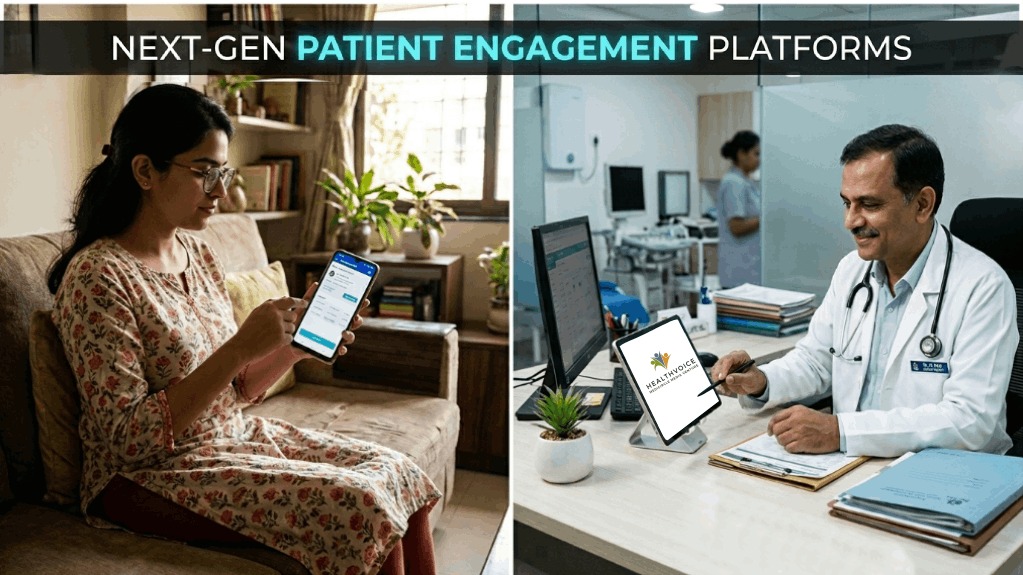
Next-Gen Patient Engagement Platforms
Healthcare is shifting from provider-focused systems to patient-centered experiences. Modern platforms are no longer limited to storing data. They actively involve patients in their care journey. This shift is powered by tools like electronic health records software, advanced ehr software, and integrated systems such as epic systems hospitals.
Next-generation patient engagement platforms combine communication, data access, and digital services into a single ecosystem. These platforms also integrate features like a doctor appointment application and healthcare management system software, making healthcare more accessible and efficient.
Understanding Patient Engagement Platforms in Modern Healthcare
Patient engagement platforms are digital systems designed to improve interaction between patients and healthcare providers. They provide tools for communication, scheduling, monitoring, and data access.
At the core of these platforms is electronic health records software, which stores patient data and enables real-time access. Alongside this, ehr software helps healthcare providers manage clinical workflows while keeping patients informed.
An electronic health record ehr system ensures that patient information is centralized and accessible across departments. This improves coordination and reduces delays in care delivery.
Key Features of Next-Gen Patient Engagement Platforms
Modern platforms are built with features that enhance usability, efficiency, and patient satisfaction.
Integrated Appointment and Communication Tools
- Doctor appointment application improves accessibilityPatients can book, reschedule, and manage visits without calling hospitals, reducing wait times and improving convenience.
- Real-time communication enhances engagementMessaging systems allow direct interaction between patients and providers, improving clarity and follow-ups.
- Automated reminders improve adherenceNotifications ensure that patients do not miss appointments or medication schedules.
Data Integration and Accessibility
- Electronic medical records software centralizes patient dataSystems ensure that medical history, reports, and prescriptions are available in one place.
- Cloud based ehr software supports remote accessHealthcare providers can access patient data from multiple locations, improving flexibility.
- Open emr software enables customizationOpen-source solutions allow organizations to tailor systems based on their needs.
Comparison: Epic Systems Hospitals vs Other EHR Platforms
When discussing patient engagement platforms, epic systems hospitals often serve as a benchmark. The epic electronic health record system is widely used for its comprehensive features and integration capabilities.
Epic systems provide strong interoperability, allowing seamless data exchange across departments. However, they are often compared with other ehr software solutions that offer more flexibility or cost-effective options.
Cloud-based alternatives, such as cloud based ehr software, are gaining popularity due to their scalability and lower infrastructure requirements. These systems are easier to implement and maintain, making them suitable for smaller healthcare providers.
Role of Healthcare Management System Software
A robust healthcare management system software acts as the backbone of patient engagement platforms. It integrates administrative, clinical, and financial processes into a unified system.
This type of software for healthcare management supports scheduling, billing, and patient record management. It also connects with electronic medical health records software, ensuring that all data remains synchronized.
Additionally, integration with pharma billing software improves financial accuracy and streamlines billing processes, enhancing operational efficiency.
Practical Applications of Patient Engagement Platforms
Next-gen platforms are used across multiple healthcare scenarios.
Hospital and Clinical Use Cases
Hospitals use emr software and electronic medical records software to manage patient data efficiently. These systems support faster diagnosis, better coordination, and improved patient outcomes.
Emergency departments rely on emergency medical records software to access patient data quickly, ensuring timely treatment in critical situations.
Telehealth and Remote Care
Patient engagement platforms integrate with telehealth solutions, allowing remote consultations and monitoring. A doctor appointment application becomes essential in managing virtual visits and follow-ups.
These platforms improve accessibility, especially for patients in remote areas, and reduce the need for frequent hospital visits.
Administrative and Workflow Optimization
Healthcare providers use software for healthcare management to streamline operations. This includes appointment scheduling, billing, and resource allocation.
Integration with tools like medical transcribe systems helps convert clinical interactions into accurate digital records, improving documentation efficiency.
Benefits of Next-Gen Patient Engagement Platforms
The adoption of advanced platforms offers several benefits for both patients and healthcare providers.
These systems improve patient satisfaction by providing easy access to services and information. Patients can track their health, communicate with providers, and manage appointments through a single interface.
For providers, platforms improve efficiency by reducing manual work and enabling automation. This allows healthcare professionals to focus more on patient care.
Additionally, integration with electronic health records software ensures accurate and consistent data, supporting better clinical decisions.
Challenges in Implementing Patient Engagement Platforms
Despite their advantages, implementing these platforms comes with challenges.
Data security is a major concern, as sensitive patient information must be protected. Systems must comply with regulations and ensure secure access.
Integration with existing systems can also be complex. Many healthcare providers still use legacy systems, making it difficult to adopt new technologies.
Cost and training are additional factors. Implementing advanced ehr software requires investment and proper training for staff.
Future Trends in Patient Engagement Platforms
The future of patient engagement platforms lies in increased personalization and integration.
Advanced analytics will allow platforms to provide personalized insights and recommendations. Integration with wearable devices and mobile applications will further enhance patient engagement.
Cloud-based solutions, including cloud based ehr software, will continue to grow, offering scalability and flexibility. These systems will play a key role in shaping modern healthcare.
Conclusion
Next-generation patient engagement platforms are transforming healthcare by improving interaction, accessibility, and efficiency. Tools such as electronic health records software, ehr software, and systems used in epic systems hospitals are creating a connected ecosystem.
With features like doctor appointment application and integrated healthcare management system software, these platforms enhance both patient experience and operational performance. As technology continues to evolve, patient engagement platforms will remain central to delivering efficient and patient-centered healthcare.
FAQs
1. What is electronic health records software?
Electronic health records software is a digital system used to store and manage patient medical information in a centralized format. It includes data such as medical history, diagnoses, prescriptions, lab reports, and treatment plans. This software allows healthcare providers to access patient information in real time, improving accuracy and reducing dependency on paper records. It also supports better coordination between departments, ensuring that patient care remains consistent and efficient across different healthcare settings.
2. How does ehr software improve patient engagement?
Ehr software improves patient engagement by giving patients access to their own health data, appointment schedules, and treatment updates. It enables communication between patients and providers through portals and messaging systems. This transparency encourages patients to take an active role in their healthcare decisions, follow treatment plans more effectively, and stay informed about their condition, leading to better outcomes.
3. What is epic electronic health record system?
The epic electronic health record system is a widely used digital platform that helps hospitals manage patient records, clinical workflows, and administrative processes. It integrates various healthcare functions into a single system, allowing seamless data sharing across departments. Known for its scalability and comprehensive features, it is commonly used in large hospitals to improve coordination, efficiency, and patient care delivery.
4. How does a doctor appointment application work?
A doctor appointment application allows patients to book, reschedule, and manage appointments through a digital interface. It connects patients with healthcare providers by displaying available time slots, sending confirmations, and providing reminders. Many applications also integrate with patient records and telehealth systems, making it easier to manage both in-person and virtual consultations.
5. What is healthcare management system software?
Healthcare management system software is a comprehensive platform designed to manage administrative, clinical, and financial operations within a healthcare organization. It includes features such as patient registration, appointment scheduling, billing, and record management. By integrating these functions, the software improves operational efficiency and ensures smooth coordination across different departments.
6. What is the difference between emr software and ehr software?
Emr software focuses on managing patient records within a single healthcare facility, such as a clinic or hospital. It stores medical history, diagnoses, and treatment details but is typically limited to internal use. In contrast, EHR systems are designed for interoperability, allowing data to be shared across multiple healthcare providers. This makes EHR more suitable for coordinated and long-term patient care.
7. How does cloud based ehr software benefit healthcare providers?
Cloud based ehr software allows healthcare providers to access patient data from any location with internet connectivity. It reduces the need for on-site infrastructure and supports scalability as data grows. This flexibility improves collaboration between healthcare teams and ensures that patient information is always available when needed, enhancing efficiency and care delivery.
8. What is open emr software used for?
Open emr software is an open-source electronic medical record system used by healthcare providers to manage patient data, scheduling, and billing. It offers customization options, allowing organizations to adapt the system to their specific needs. This makes it a cost-effective solution for smaller clinics and healthcare providers looking for flexible digital systems.
9. How do patient engagement platforms improve healthcare services?
Electronic medical records software plays a key role in patient engagement platforms by enabling seamless access to patient data and communication tools. These platforms improve healthcare services by enhancing transparency, enabling better communication, and allowing patients to actively participate in their care. This leads to improved satisfaction and more efficient service delivery.
10. What is software for healthcare management?
Software for healthcare management refers to digital systems that support the overall functioning of healthcare organizations. It includes tools for managing patient records, scheduling, billing, and reporting. By automating processes and improving data organization, this software enhances efficiency and supports better decision-making in healthcare operations.
 Team Healthvoice
#PatientEngagement #DigitalHealth