Addressing the Gaps: Universal Health Coverage Milestones and Missteps Meta
India’s pursuit of Universal Health Coverage (UHC) reflects significant progress through expanded health insurance schemes and ambitious public health initiatives. However, persistent challenges such as healthcare access disparities, infrastructure gaps, and workforce shortages continue to hinder equitable care for all. Achieving true UHC by 2030 will require bridging these operational and systemic gaps alongside policy advancements.
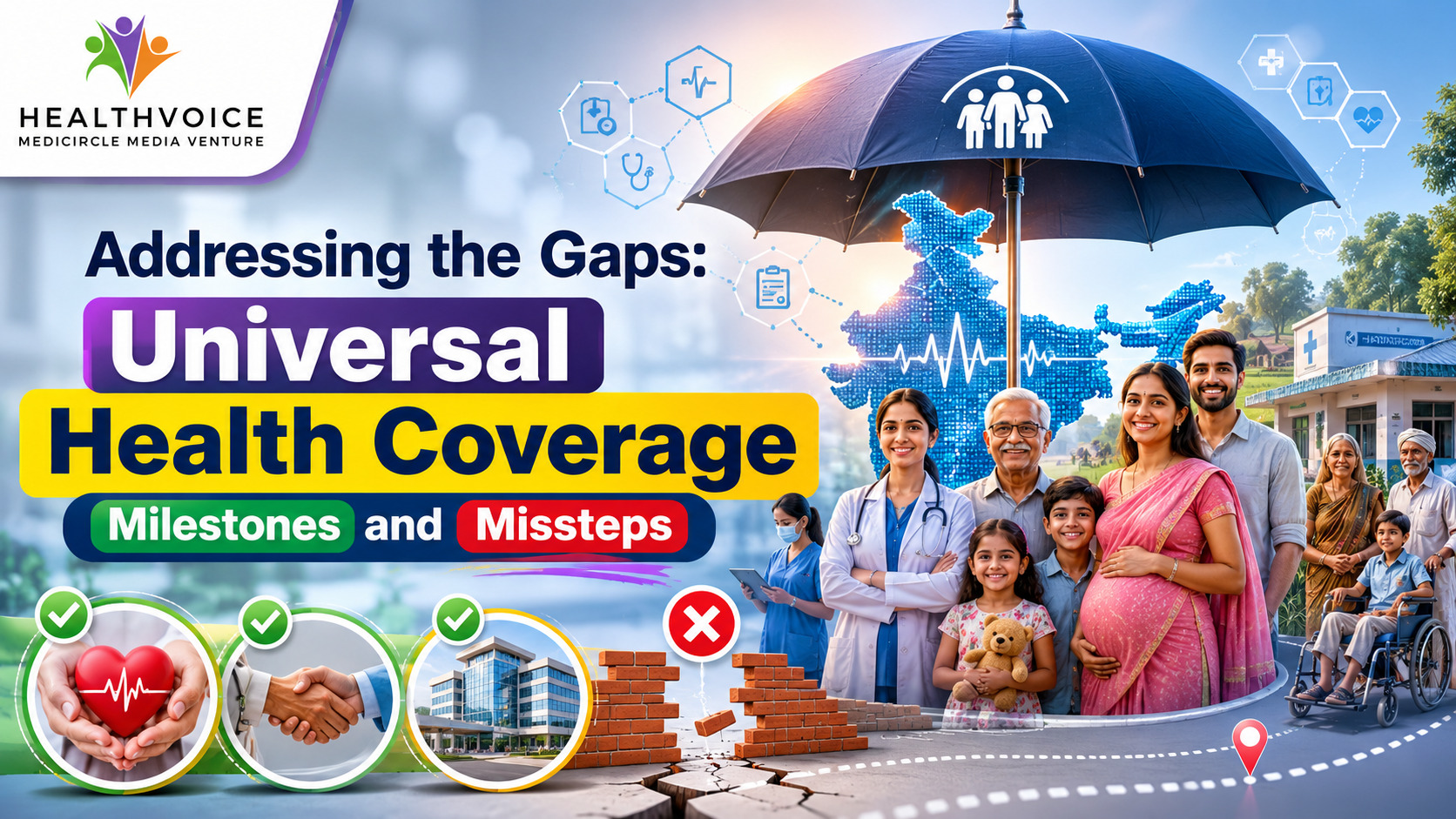
Addressing the Gaps: Universal Health Coverage Milestones and Missteps
The global commitment to achieving Universal Health Coverage (UHC) by 2030 positions healthcare as a fundamental right rather than a luxury. In India, a nation of over 1.4 billion people, this journey is a complex mix of grand policy frameworks and stark operational realities. While state and central initiatives have fundamentally altered health insurance access, structural barriers still prevent true equity in care.
For public health advocates, healthcare administrators, and policymakers, tracking this progress is vital. By examining the core milestones and identifying systemic missteps, the country can refine its strategy to build a resilient, inclusive health system.
The UHC Architecture: Milestones that Redefined Access
Over the last decade, public health policy shifted from isolated, vertical disease control programs toward comprehensive public financing models. Several landmark milestones highlight this transition:
1. Ayushman Bharat (PM-JAY) and Health & Wellness Centers
Launched as a two-pronged strategy under the National Health Policy 2017, Ayushman Bharat represents a massive scale-up in public health coverage.
- PM-JAY: The Pradhan Mantri Jan Arogya Yojana provides a health cover of ₹5 lakh per family per year for secondary and tertiary care hospitalization, targeting over 70 crore vulnerable citizens.
- Ayushman Arogya Mandirs: Upgrading over 1.6 lakh sub-centers into functional primary Health and Wellness Centers (HWCs) shifted focus toward early screening, preventive care, and maternal-child health services.
2. Significant Reductions in Out-of-Pocket Expenditure (OOPE)
Historically, India’s out-of-pocket medical expenses were among the highest globally, pushing nearly 3.9 crore people into poverty annually. With the expansion of subsidized public schemes and free drug distribution pipelines, net out-of-pocket expenditure has dropped from over 60% down to under 40% in recent years, mitigating catastrophic health expenses for millions.
3. Digitization via the Ayushman Bharat Digital Mission (ABDM)
The Ayushman Bharat Digital Mission (ABDM) created a digital health ecosystem. By standardizing the Ayushman Bharat Health Account (ABHA) numbers, the platform enables interoperable digital health records, teleconsultation access, and streamlined verification processes.
Critical Missteps: The Gaps Undermining the UHC Vision
Despite undeniable progress, structural gaps and missteps during implementation continue to challenge the sustainability of these healthcare reforms.
1. The Disproportionate Focus on Hospitalization Over Outpatient Care
A primary structural critique of existing public insurance systems is their narrow focus on secondary and tertiary hospitalization.
The Outpatient Reality: Nearly 70% to 75% of a household's routine out-of-pocket healthcare expenses are driven by outpatient department (OPD) consultations, diagnostic tests, and chronic disease medications. By excluding regular pharmacy and primary clinic visits, the system fails to prevent minor conditions from escalating into costly hospitalizations.
2. The "Missing Middle" Phenomenon
While public financing models target the lowest-income tiers and private corporate insurance covers affluent professionals, a massive segment of the population remains completely exposed. This "missing middle" consists of informal sector workers, smallholder farmers, and self-employed individuals who do not qualify for free state welfare but cannot afford premium commercial health insurance.
3. Acute Shortfalls and Maldistribution of Human Resources
A healthcare system is only as effective as its active workforce. India operates with a ratio below the World Health Organization’s recommended baseline metrics for doctors and nurses per capita. Furthermore, this workforce is heavily concentrated in urban centers and private facilities, leaving rural primary healthcare centers understaffed and burdened.
4. Low Public Health Spending as a Percentage of GDP
Despite consistent policy recommendations to raise public health spending to 2.5% of Gross Domestic Product (GDP), actual allocations hover below 1.5%. This limited fiscal capacity forces state public facilities to ration resources, leading to long wait times, infrastructure deficits, and uneven regional performance.
Comparative Analysis of UHC Progress indicators
Health System Component
Major Achievement (Milestone)
Unresolved Challenge (Misstep)
Financial Protection
Over 70 crore beneficiaries eligible for free tertiary hospital care.
Exclusion of routine outpatient care and pharmacy costs.
Primary Healthcare
Conversion of sub-centers into preventive Health & Wellness Centers.
Chronic shortage of medical professionals in rural districts.
Digital Integration
Successful introduction of ABHA IDs and digital data portals.
Spotty internet access and dual data-entry burdens for frontline workers.
The Strategic Path Forward
To bridge these gaps and realize the 2030 UHC target, a comprehensive health systems approach is required:
[Strengthen Primary Health Spending] ➔ [Integrate OPD & Pharmacy Cover] ➔ [Standardize Private Sector Care] ➔ [Empower Frontline Health Workers]
- Prioritize Primary Care Financing: Direct at least 65% to 70% of public health budgets toward primary health settings to catch lifestyle and infectious diseases early.
- Expand Benefit Packages: Gradually incorporate outpatient benefits, standardized diagnostic access, and essential generic medicine coverage into existing public insurance frameworks.
- Optimize the Frontline Digital Workflow: Equip community health workers (like ASHAs) with unified, offline-capable digital tools, eliminating repetitive manual paperwork and simplifying incentive distributions.
- Enforce Strategic Purchasing Regulations: Build strong public-private partnerships with transparent pricing, sensible reimbursement timelines, and mandated quality guidelines to prevent price gouging.
Frequently Asked Questions (FAQs)
Q1: What does Universal Health Coverage (UHC) mean in the Indian context?
Universal Health Coverage in India means ensuring that all citizens have access to essential, high-quality promotional, preventive, curative, and rehabilitative health services without suffering financial hardship or being pushed into poverty due to medical costs.
Q2: Is Ayushman Bharat (PM-JAY) considered a universal health scheme?
While Ayushman Bharat is one of the largest publicly funded health insurance schemes in the world, it is not completely universal. It primarily targets the bottom 40% to 50% of the economically vulnerable population, leaving out higher-income segments and the "missing middle".
Q3: Why does out-of-pocket expenditure remain a problem if hospital care is free?
While public insurance covers select multi-day hospitalizations, it typically excludes outpatient department (OPD) fees, diagnostic scans, and long-term daily medications for chronic conditions like diabetes or hypertension, which make up the bulk of routine household health spending.
Q4: How do workforce shortages directly impact UHC milestones?
A lack of trained doctors, nurses, and laboratory technicians in rural and public health sub-centers means that even when infrastructure is built, facilities cannot provide reliable, high-quality care, forcing patients to travel to expensive, unregulated urban private hospitals.
Q5: What is the "missing middle" in health insurance?
The missing middle refers to a large segment of self-employed individuals, informal sector workers, and mid-tier earners who are not poor enough to qualify for state-subsidized welfare schemes but do not earn enough to purchase comprehensive private health insurance.
Q6: How has the Ayushman Bharat Digital Mission (ABDM) assisted patients?
ABDM allows patients to create a centralized digital health identity (ABHA). This makes it easier to securely share medical records, prescriptions, and lab test results across different doctors and hospitals, reducing duplicate diagnostic testing and streamlining insurance approvals.
Q7: What role do ASHA workers play in achieving universal coverage?
Accredited Social Health Activists (ASHAs) are frontline community health workers who bridge the gap between rural populations and the formal health system. They manage maternal-child nutrition, track immunizations, and assist with non-communicable disease screenings.
Q8: What are the main implementation hurdles facing the ABDM platform?
Key hurdles include uneven internet connectivity in remote villages, low digital literacy among some frontline health workers, and technical challenges arising from requiring workers to maintain both physical paper records and digital data entries.
Q9: How can India successfully regulate private healthcare to support UHC?
The state can utilize strategic purchasing models, setting standardized reimbursement tariffs for surgical procedures, mandating the stocking of affordable generic medicines, and introducing transparent auditing to ensure private hospitals fulfill their community service obligations.
Q10: How do vertical health programs conflict with a systemic approach to UHC?
Vertical programs focus strictly on single diseases (such as tuberculosis, HIV, or malaria) with dedicated funding and separate staff. While often effective for specific crises, they can inadvertently fragment healthcare delivery, drawing resources away from general primary care clinics and comprehensive patient treatment.
Schema Markup (JSON-LD)
{ "@context": "https://schema.org", "@type": "Article", "mainEntityOfPage": { "@type": "WebPage", "@id": "https://healthvoice.in/addressing-gaps-universal-health-coverage" }, "headline": "Addressing the Gaps: Universal Health Coverage Milestones and Missteps", "description": "An analytical overview of India's universal health coverage journey, detailing policy milestones, structural missteps, and strategic adjustments required for equitable access.", "image": "https://healthvoice.in/images/uhc-milestones-gaps.jpg", "author": { "@type": "Organization", "name": "HealthVoice Policy Desk" }, "publisher": { "@type": "Organization", "name": "HealthVoice", "logo": { "@type": "ImageObject", "url": "https://healthvoice.in/logo.png" } }, "datePublished": "2026-06-21", "dateModified": "2026-06-21"}India’s pursuit of Universal Health Coverage (UHC) reflects significant progress through expanded health insurance schemes and ambitious public health initiatives. However, persistent challenges such as healthcare access disparities, infrastructure gaps, and workforce shortages continue to hinder equitable care for all. Achieving true UHC by 2030 will require bridging these operational and systemic gaps alongside policy advancements.
 Team Healthvoice
#UniversalHealthCoverage #HealthcareAccessIndia
