Cardiometabolic Risk in Young Indians: Why Disease Starts Earlier
Cardiometabolic risk in young Indians is rising due to genetic susceptibility, lifestyle shifts, and metabolic disease clustering at younger ages. Early screening and prevention remain the most effective responses.
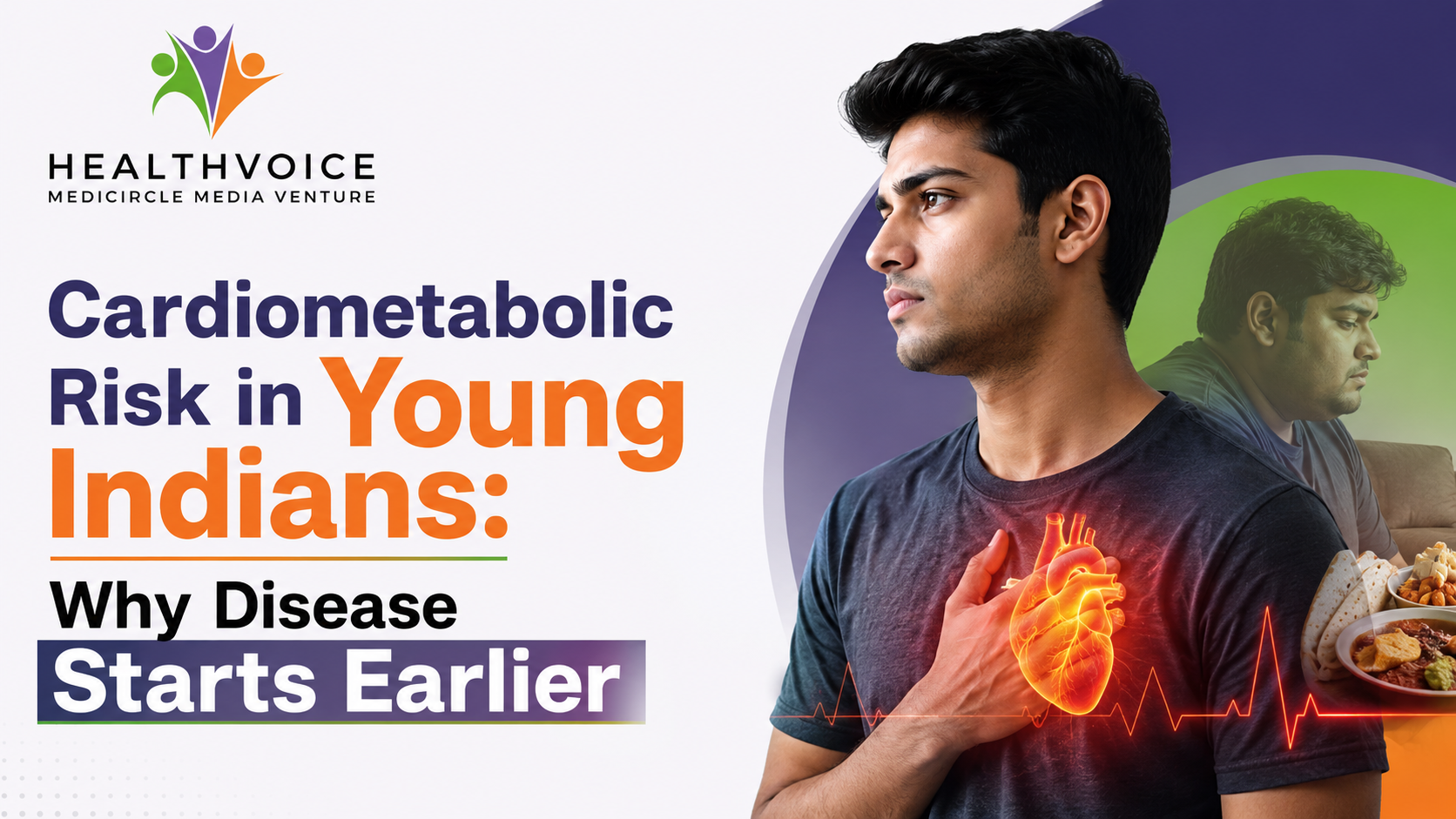
Cardiometabolic Risk in Young Indians: Why Doctors Are Seeing Disease Earlier
India's cardiologists are sounding an alarm that deserves serious attention. Across hospitals in Chennai, Mumbai, Delhi, and Bengaluru, doctors are reporting a pattern that would have seemed unusual two decades ago: patients in their 30s and early 40s arriving with blocked arteries, metabolic disorders, and early-stage cardiovascular disease. This is not a coincidence, and it is not isolated. It reflects a deep and accelerating shift in the health profile of young India.
The term cardiometabolic risk refers to the combined burden of conditions that damage both the heart and the metabolic system simultaneously. These include type 2 diabetes, hypertension, obesity, dyslipidemia, and insulin resistance. When multiple such conditions cluster in one individual, the cardiovascular system faces a compounded threat. What makes this particularly alarming in the Indian context is that these risk clusters are now forming in people who are barely past their twenties.
Understanding why this is happening requires looking at genetics, diet, lifestyle, and the larger environment in which young urban and semi-urban Indians are now living. It also requires asking a harder question: what can doctors, patients, and health platforms do about it before the situation worsens?
The Indian Paradox: High Risk at Lower Thresholds
One of the most important facts in Indian cardiovascular medicine is that Indians develop heart disease nearly a decade earlier than most Western populations. While heart attacks in Western countries have traditionally peaked in the 60 to 70 age group, Indian patients frequently present in their 40s and 50s. Even more striking, the Indian Heart Association has noted that half of all heart attacks in Indian men occur before the age of 50, and a quarter occur before the age of 40.
This early-onset pattern is compounded by a unique biological characteristic of South Asians: the tendency to accumulate abdominal or visceral fat even at body weight levels that would not be classified as obese by standard international criteria. Indian bodies often store harmful fat around internal organs at a lower body mass index (BMI), which means that a young Indian person who appears lean may already carry significant metabolic risk. This phenomenon, sometimes called the thin-fat Indian, is well-documented in medical literature and is one reason why conventional weight-based screening tools can miss early cardiometabolic disease in Indians.
What Is Actually Happening Inside the Body of a Young Indian Adult
Cardiometabolic disease does not appear overnight. The process begins quietly, often in the teenage years or even earlier, through a gradual buildup of risk factors that go undetected. By the time a young professional in their late 20s begins to notice fatigue, mild breathlessness, or slightly elevated blood pressure readings, the damage to the arterial walls may have already been progressing for years.
Insulin Resistance: The Silent Starter
Insulin resistance is frequently the first sign that the cardiometabolic clock has started ticking. When cells become less responsive to insulin, the pancreas produces more of it to compensate. Over time, this leads to elevated blood sugar, weight gain especially around the abdomen, and rising triglyceride levels. India is already acknowledged globally as one of the leading countries for type 2 diabetes, and alarmingly, many Indians develop insulin resistance and prediabetes in their 20s, years before any formal diagnosis.
Dyslipidemia and the Low HDL Problem
Indian patients tend to show a specific lipid pattern that cardiologists describe as particularly dangerous: relatively normal total cholesterol, but low levels of HDL (the protective good cholesterol) combined with elevated triglycerides and a high proportion of small, dense LDL particles. This atherogenic dyslipidemia, as it is medically termed, accelerates plaque formation in blood vessels and is commonly found in young Indians who eat refined carbohydrates and processed foods regularly. Studies from institutions like AIIMS and the Madras Diabetes Research Foundation have highlighted this lipid pattern as a major contributor to early coronary artery disease in South Asians.
Hypertension That Starts Young
India leads the world in hypertension burden, and the condition is no longer confined to the elderly. Increasing numbers of young Indians between 25 and 40 are being diagnosed with high blood pressure, often without any symptoms. Elevated sodium intake from processed foods, chronic work-related stress, insufficient sleep, and lack of physical activity all drive blood pressure upward. When hypertension begins early in life and remains unmanaged, the cumulative damage to the heart, kidneys, and arteries is significant.
The Lifestyle Drivers Fuelling This Crisis
India has undergone a rapid nutritional and lifestyle transition over the past two decades. What was once a largely plant-based, physically active way of life in many regions has given way to ultra-processed diets, screen-dominated routines, and chronic stress from competitive educational and professional environments. This transition has happened faster than the public health system has been able to respond.
Dietary Shifts: From Dal and Roti to Ultra-Processed Convenience
The rise of fast food culture, packaged snacks, sweetened beverages, and refined flour-based foods has fundamentally altered the nutritional intake of young Indians. High sugar consumption drives insulin resistance. Trans fats from fried and packaged foods raise bad cholesterol and lower good cholesterol. Excessive salt raises blood pressure. At the same time, fibre intake has dropped, micronutrient deficiencies have become common, and the natural anti-inflammatory properties of a traditional Indian diet rich in spices, legumes, and vegetables are increasingly absent from daily meals.
Sedentary Lifestyles and the Desk Job Generation
India's booming IT, finance, and services sectors have created a generation of young professionals who spend 8 to 12 hours per day seated at desks, often followed by hours of passive screen time at home. Physical inactivity is now one of the most significant modifiable risk factors for cardiometabolic disease. The World Health Organization recommends at least 150 minutes of moderate physical activity per week, yet a large proportion of Indian urban youth falls well below this threshold. The consequences, higher body fat, weaker cardiovascular fitness, and poorer glucose regulation, accumulate steadily.
Chronic Stress, Sleep Deprivation, and the Cortisol Connection
The psychosocial environment of young India is intensely competitive. Academic pressure, job insecurity, financial stress, and career demands generate chronic psychological stress that has direct physiological consequences. Cortisol, the primary stress hormone, raises blood glucose, promotes visceral fat storage, increases blood pressure, and contributes to systemic inflammation, all of which are components of cardiometabolic risk. Add to this the widespread pattern of sleeping fewer than six hours per night among urban youth, and the body faces a double physiological burden that accelerates arterial damage.
The Genetic Factor: Why Indians Are Inherently More Vulnerable
Genetics is not destiny, but in the Indian context, it plays a meaningful role in cardiometabolic risk. Research consistently shows that Indians are three to five times more prone to heart disease compared to white European populations, even when lifestyle factors are accounted for. Certain genetic variants common in South Asians make the liver produce more of the harmful small dense LDL particles, impair the ability to handle high-carbohydrate diets efficiently, and increase the tendency toward abdominal fat storage.
A family history of heart disease, diabetes, or hypertension is a particularly strong warning signal. Young Indians whose parents or grandparents experienced cardiovascular events at relatively young ages should be proactive about screening rather than waiting for symptoms to emerge. The Lipoprotein(a) or Lp(a) level, a genetic marker for cardiovascular risk that is disproportionately elevated in Indians, is increasingly being recommended by cardiologists as part of early screening panels for those with a family history.
Urban Acceleration: Why City Life is Intensifying the Problem
While cardiometabolic risk is rising across India, it is particularly acute in urban and semi-urban areas. Rapid urbanization has brought with it dietary transitions, sedentary behaviour, environmental pollution, and disrupted sleep patterns from shift work. Air pollution alone, an underappreciated cardiovascular risk factor, has been shown to independently contribute to arterial inflammation and increased risk of cardiac events. Cities like Delhi, which regularly record hazardous air quality indices, expose millions of young lungs and hearts to daily oxidative stress.
Night shifts in the business process outsourcing and healthcare sectors further disturb circadian rhythms. Disrupted sleep-wake cycles have been independently linked to elevated insulin resistance, hypertension, and obesity. The very economic opportunities that drive young Indians to cities are inadvertently creating health conditions that can shorten their productive years.
What Doctors Are Actually Seeing in Their Clinics
Cardiologists and endocrinologists across India are observing a convergence of conditions in younger patients that would historically have been reserved for those in their 50s and 60s. Metabolic syndrome, defined by the clustering of abdominal obesity, high triglycerides, low HDL, elevated blood pressure, and elevated fasting glucose, is increasingly being diagnosed in patients who are in their late 20s and early 30s. The clinical consequence of metabolic syndrome is that each component amplifies the harm caused by the others, making the overall cardiovascular risk substantially higher than any single condition alone.
Post-COVID-19 trends have added another dimension to this challenge. Research has documented that COVID-19 infection can cause myocarditis, increase blood clotting tendency, and trigger longer-term cardiovascular inflammation in some patients. Young adults who experienced significant COVID infections are being evaluated for ongoing cardiac concerns at specialist centres, further burdening a healthcare system already stretched by the metabolic disease epidemic.
Early Screening: The Most Underused Tool in Indian Preventive Care
One of the most important interventions available to young Indians today is proactive screening. Cardiometabolic disease is highly detectable before it causes clinical events, and early detection allows for lifestyle and medical intervention that can prevent or significantly delay serious outcomes. Yet, a deep cultural bias against visiting a doctor when one feels well persists across India. Many young people seek medical attention only after experiencing a symptomatic event, by which point arterial damage may already be significant.
What Should Young Indians Get Screened For?
Medical experts recommend that Indians aged 25 and above, particularly those with a family history of cardiometabolic conditions, consider a targeted screening panel that goes beyond a routine blood test. This includes a fasting lipid profile with specific attention to triglycerides and HDL levels, fasting blood glucose and HbA1c to assess insulin resistance, blood pressure measurement, a waist circumference check relative to height, and in some cases, high-sensitivity C-reactive protein (hsCRP) as a marker of vascular inflammation. Those with a strong family history of premature heart disease should also discuss Lp(a) testing and an electrocardiogram with their physician.
Prevention Starts Long Before Disease Begins
The encouraging reality is that cardiometabolic risk is largely modifiable. Even individuals with genetic predispositions can dramatically reduce their risk through consistent lifestyle changes. The key is starting early, not waiting until symptoms appear or until a family member has a cardiac event.
Returning to a diet that is closer to traditional Indian eating patterns, rich in whole grains, legumes, vegetables, and healthy fats like those found in mustard oil and nuts, can substantially reduce metabolic risk. Minimizing refined carbohydrates, sugar-sweetened beverages, and ultra-processed snacks directly addresses insulin resistance. Building in at least 30 to 45 minutes of moderate physical activity most days of the week, whether through brisk walking, yoga, cycling, or any sustained movement, improves insulin sensitivity, raises HDL cholesterol, reduces blood pressure, and lowers systemic inflammation.
Sleep quality deserves far more attention as a health priority. Establishing consistent sleep schedules, avoiding screens before bedtime, and aiming for seven to eight hours of restorative sleep per night directly supports hormonal balance, metabolic function, and cardiovascular health. Stress management through mindfulness, structured breathing exercises, or physical activity provides a buffer against the cortisol-driven metabolic cascade that chronic stress creates.
The Role of Connected Medical Communities in Addressing This Crisis
The cardiometabolic crisis among young Indians is as much a communication challenge as it is a clinical one. Cardiologists, endocrinologists, general physicians, and public health experts are generating important knowledge about this problem, but that knowledge does not always reach the communities and patients who need it most. This is where platforms like HealthVoice play a meaningful role.
HealthVoice is a doctor-focused healthcare community platform designed to connect physicians, medical associations, and healthcare stakeholders through trusted, professional communication. By giving cardiologists, diabetologists, and preventive medicine specialists a credible space to share clinical awareness, highlight research insights, and engage their professional communities, HealthVoice bridges the gap between medical expertise and meaningful public health outreach. When doctors share evidence-based information about early cardiometabolic screening, lifestyle interventions, and risk assessment through a platform their peers and patients trust, awareness translates into action.
For cardiometabolic risk, this matters enormously. Early intervention requires awareness. Awareness requires trusted voices. And trusted voices in Indian healthcare are its doctors. Platforms that amplify the doctor voice, enable medical association engagement, and connect healthcare communities serve a genuine public health function in a country where the disease burden is evolving faster than conventional information channels can respond.
Conclusion: The Time to Act Is Now, Not Later
The rising cardiometabolic burden among young Indians is one of the defining public health challenges of this generation. It does not have a single cause, and it will not have a single solution. It demands genetic awareness, lifestyle reform, proactive screening, policy-level action on food labeling and urban planning, and a cultural shift in how Indians think about preventive health.
What is clear is that waiting for symptoms is no longer a viable approach. The biology of cardiometabolic disease in Indians does not give generous warning. Arterial damage accumulates silently. Metabolic markers shift gradually. And by the time a heart attack or stroke occurs, years of preventable harm have already been done.
The good news is that the science of prevention is strong, the tools for early detection exist, and the medical community is increasingly aware of this problem. Young India deserves to know its own risk profile, to access credible medical guidance, and to make informed decisions about its health. Doctors, medical associations, and connected healthcare platforms all have a part to play in ensuring that this knowledge reaches those who need it most, at an age when intervention can still make a decisive difference.
Frequently Asked Questions
At what age should young Indians start getting screened for cardiometabolic risk?
Medical experts recommend that Indians with a family history of heart disease, diabetes, or hypertension begin baseline screening from the age of 25. Even without a family history, a first cardiometabolic screening check including fasting blood glucose, lipid profile, blood pressure, and waist circumference is advisable by the age of 30. Early detection of insulin resistance, dyslipidemia, or elevated blood pressure allows for lifestyle changes that can prevent or delay disease onset significantly.
Why are Indians more prone to heart disease than people in other countries?
Indians carry a combination of genetic and physiological characteristics that create higher cardiovascular vulnerability. These include a tendency toward abdominal fat accumulation even at normal body weight, a specific lipid pattern with low HDL and elevated triglycerides, higher levels of Lipoprotein(a), and greater susceptibility to insulin resistance. When these inherited tendencies interact with modern lifestyle factors such as processed food consumption, physical inactivity, chronic stress, and poor sleep, the result is an accelerated cardiometabolic risk profile that develops at a younger age compared to most other populations.
Can cardiometabolic disease in young Indians be reversed with lifestyle changes?
Yes, in many cases, early-stage cardiometabolic risk factors can be substantially reduced and even reversed through sustained lifestyle interventions. Dietary improvements, regular physical activity, better sleep, and effective stress management have been shown to improve insulin sensitivity, raise HDL cholesterol, lower blood pressure, and reduce systemic inflammation. The earlier these changes are implemented, the more impactful they are. This is why early screening and awareness are critical: they create the opportunity for intervention at a stage when lifestyle changes are most effective.
ABSTRACT
Cardiometabolic risk in young Indians is rising due to genetic susceptibility, lifestyle shifts, and metabolic disease clustering at younger ages. Early screening and prevention remain the most effective responses.
 Team Healthvoice
#HeartHealth #MetabolicHealth