How robotics is changing surgery worldwide
Robotic surgery in India is transforming patient care by improving precision, reducing recovery time and expanding access through advanced technology, skilled surgeons and growing nationwide adoption.
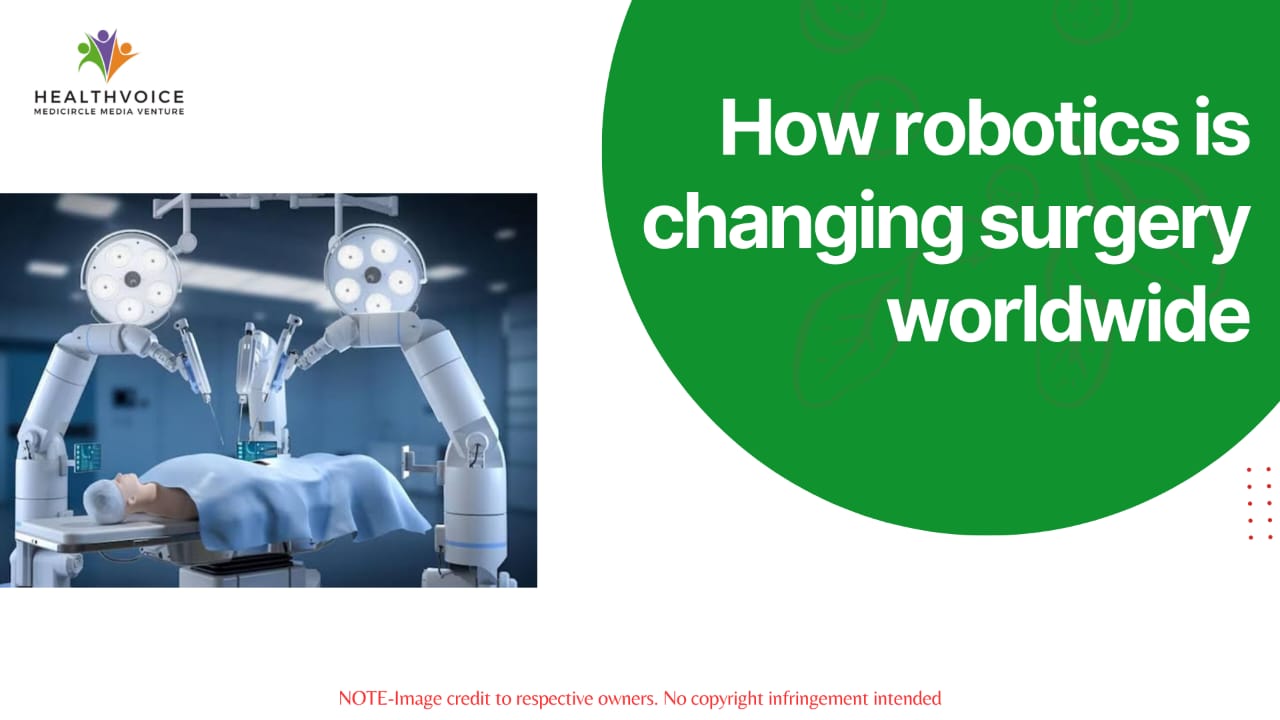
Remember when the idea of a robot assisting in surgery was something straight out of a futuristic movie? For many of us in India, that memory is still fresh. Yet, walk into a modern operating theatre in a city like Chennai or Mumbai today and you might witness this very reality. This is not a scene from a film; it is the new face of surgical care. But let us be clear, this is not about cold, unfeeling machines taking over. It is about brilliant technology becoming a natural extension of a surgeon's skilled hands, offering new hope to patients who dread long, painful recoveries.
Surge in robotic surgery:
The journey of robotic surgery began decades ago, but it truly found its feet with systems like the da Vinci Surgical System. Think of it not as a robot that operates on its own, but as a high precision instrument that a surgeon controls from a console. It translates their hand movements into smaller, smoother actions inside the patient's body.
So, what does this mean for someone needing an operation? The advantages are genuinely transformative.
First, consider the sheer precision. A surgeon's hands are incredibly steady, but even the slightest tremor is eliminated by the robotic system. The instruments can bend and rotate with a freedom the human wrist cannot, allowing surgeons to work in tight spaces around delicate nerves and tissues with remarkable confidence.
Then comes the benefit every patient cares about: recovery. Since robotic surgery is performed through a few tiny incisions instead of one large opening, the body experiences less trauma. This directly translates to less pain after the operation, a significantly lower risk of infection, minimal blood loss and barely noticeable scars. The result? People often leave the hospital much sooner and get back to their lives, their work and their families faster than ever before.
The numbers speak for themselves. Hospitals are reporting better outcomes, with some studies highlighting shorter operation times and fewer complications during surgery. This enhanced precision is making a world of difference for complex procedures.
India’s unique path:
India's tryst with this technology began in the mid-2000s and the growth since has been impressive. From a handful of centers, we now have dozens across the country, with a growing brigade of surgeons specially trained in these techniques.
India brings some unique advantages to the table. Our high patient volumes mean surgeons can gain experience rapidly, honing their skills on a wide range of cases. Furthermore, India already has a strong tradition of laparoscopic surgery, which provides a solid foundation for surgeons to transition to robotic systems.
Initiatives like the Ayushman Bharat scheme are also playing a crucial role. By improving insurance coverage, they are slowly making these advanced procedures a viable option for a larger section of our population.
Of course, the path forward has its challenges. The initial cost of setting up a robotic unit is undeniably high and this, along with the price of specialized instruments, can make the procedures more expensive than conventional surgery. There is also the continuous need for comprehensive training and maintaining the highest standards of quality and safety across all centers. These are the real issues that the medical community is actively working to address.
Future for robotic surgery:
The technology is not standing still. The next wave of innovation is already on the horizon. We are looking at systems integrated with intelligent software that can provide surgeons with real time data and guidance during an operation, enhancing their decision making.
Another exciting development is the move towards miniaturization. Smaller, more agile robots are being developed that could fit into standard operating rooms more easily, potentially bringing down costs and increasing accessibility beyond major metropolitan hospitals.
Perhaps the most futuristic concept is tele surgery. The day may not be far when a leading surgeon in Delhi could remotely guide a procedure in a smaller town in Bihar or Rajasthan, using robotic arms. This could democratize access to specialized surgical expertise, bridging the urban rural healthcare divide in an unprecedented way.
Partnership for better health:
At its heart, the story of robotic surgery in India is one of partnership. It is crucial to understand that the robot does not replace the surgeon; it empowers them. The surgeon's expertise, experience and judgment remain the most critical components in the operating room.
The true promise of this technology lies in its ability to make complex surgeries safer, less invasive and more accessible for people across India. It is about giving surgeons better tools to do what they do best: heal.
As this field continues to evolve, the conversation will rightly focus on making this technology sustainable, training the next generation of surgeons and ensuring it serves the broadest possible population. For patients, it represents more choices and the real prospect of a smoother, quicker journey back to full health.
The robotic revolution in the operating room is no longer a distant promise. It is here and it is quietly changing lives for the better, one precise movement at a time.
 Team Healthvoice
#RoboticSurgery #HealthcareInnovation #MedicalTechnology #ModernMedicine #SmartHealthcare #HealthTech #PatientCare #HealthcareIndia #MedTech #AIinHealthcare #AyushmanBharat #HealthcareTransformation #healthvoice