Why multidisciplinary discussions improve patient outcomes
A multidisciplinary approach brings together multiple specialists to create a unified, personalized treatment plan. This coordinated teamwork improves safety, strengthens decision making and supports patients and families through every stage of care.
We have all been there. Sitting in a clinic, listening to a doctor we trust explain what is wrong and what needs to be done. The advice is professional, the prescription is written, yet a quiet worry lingers. How will this new treatment affect another ongoing health issue? Will the recovery plan fit into a busy life? The diagnosis seems clear, but the path to getting better feels uncertain.
This scenario is all too common in modern healthcare, where specialists are deeply knowledgeable about one part of the body. But a person is not just a heart, a set of kidneys or a digestive system. They are a complete, interconnected being. This is precisely why a new way of thinking is gaining ground. It is called the multidisciplinary approach and it is founded on a powerful truth: patients get the best results when their doctors and therapists talk to each other.
More than a meeting:
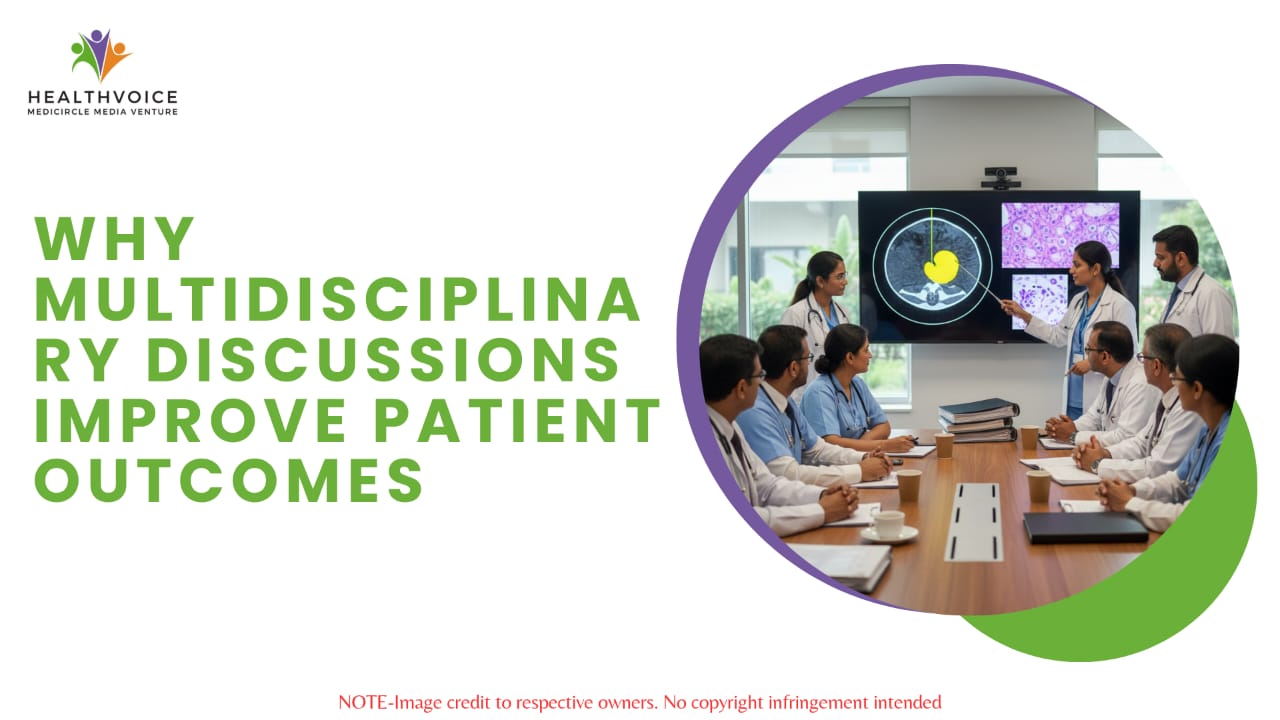
So, what does this approach look like in practice? Think of it as a council of experts, all focused on one individual. In one room, you might find the main physician, a surgeon, a physiotherapist, a dietitian and a counsellor. Each one looks at the same patient file, but through a different professional lens. They see the same medical history and test results, but they also consider the person's daily routine, their support system and their personal challenges.
This is not about getting separate opinions one after the other. This is a live, collaborative session. The surgeon talks about the operation, the physiotherapist immediately adds what rehabilitation will involve and the dietitian suggests foods that can aid healing. The primary doctor acts as the conductor, making sure these different notes come together in harmony. The final product is not a collection of disjointed instructions but a single, unified battle plan for health.
Why collaboration works:
The benefits of this method are clear and significant, touching both the science and the soul of medicine.
For starters, it builds a complete picture of the patient. A cardiologist may choose a drug that is perfect for controlling blood pressure. However, the pharmacist in the discussion might point out that this drug has a known interaction with the patient's diabetes medication. This simple act of sharing knowledge can prevent a serious problem before it even happens. It shifts the focus from just treating an illness to proactively safeguarding the patient's overall well-being.
Furthermore, this collaboration sparks better solutions. Different perspectives naturally lead to more creative and effective treatment strategies. A physiotherapist's input might inspire a surgeon to use a slightly different technique that allows for easier mobility later on. A dietitian's nutritional plan could boost the effectiveness of medicines, allowing for lower doses and fewer uncomfortable side effects. The care plan becomes tailored, not template.
Perhaps one of the biggest reliefs for families is the reduction of chaos. Managing a serious health condition often feels like a full-time job. Families can find themselves running between different clinics, repeating the same story and trying to piece together conflicting advice. This is not just tiring; it can be dangerous. A coordinated multidisciplinary team cuts through this noise. They provide one clear, consolidated voice and a single roadmap for the family to follow.
Care that puts people first:
At its core, this approach is about remembering the human being behind the medical chart. A person is not just a case of hypertension or a knee replacement. They are someone with a job to return to, a family to care for and anxieties about the future.
Multidisciplinary discussions often tackle these very real-life factors. The team might discuss whether the patient can afford the prescribed medicines, if they have a quiet place at home to rest or if they are feeling too overwhelmed to do their exercises. By understanding these realities, the medical team can design a recovery plan that is not only technically correct but is also genuinely practical for the individual to follow. After all, the best treatment plan in the world is useless if the patient cannot follow it.
Walking the path together:
Getting well is rarely a straightforward journey. It has its ups and downs, its surprises and setbacks. Having one doctor is good, but having a whole team feels like having a dedicated support crew for the climb.
This model of shared expertise represents the future of thoughtful, compassionate healthcare. It accepts that human health is complicated and that the wisest path forward is usually charted by many minds working together. For the person at the center of it all, this means more than just improved test results. It brings peace of mind, a feeling of being truly heard and the profound confidence that an entire team is walking alongside them, committed to their recovery.
 Team Healthvoice
#IntegratedHealthcare #PatientCentricCare #BetterOutcomes #HolisticHealthcare #PatientFirst #HealthcareIndia #HealthInsights #PatientSupport #ModernMedicine #HealthAwareness #SmartHealthcare #PatientEmpowerment #healthvoice