Why defensive medicine is growing in India
Defensive medicine is quietly reshaping Indian healthcare by increasing unnecessary tests, referrals, costs and mistrust, while pushing doctors to avoid risk due to fear of violence and litigation.
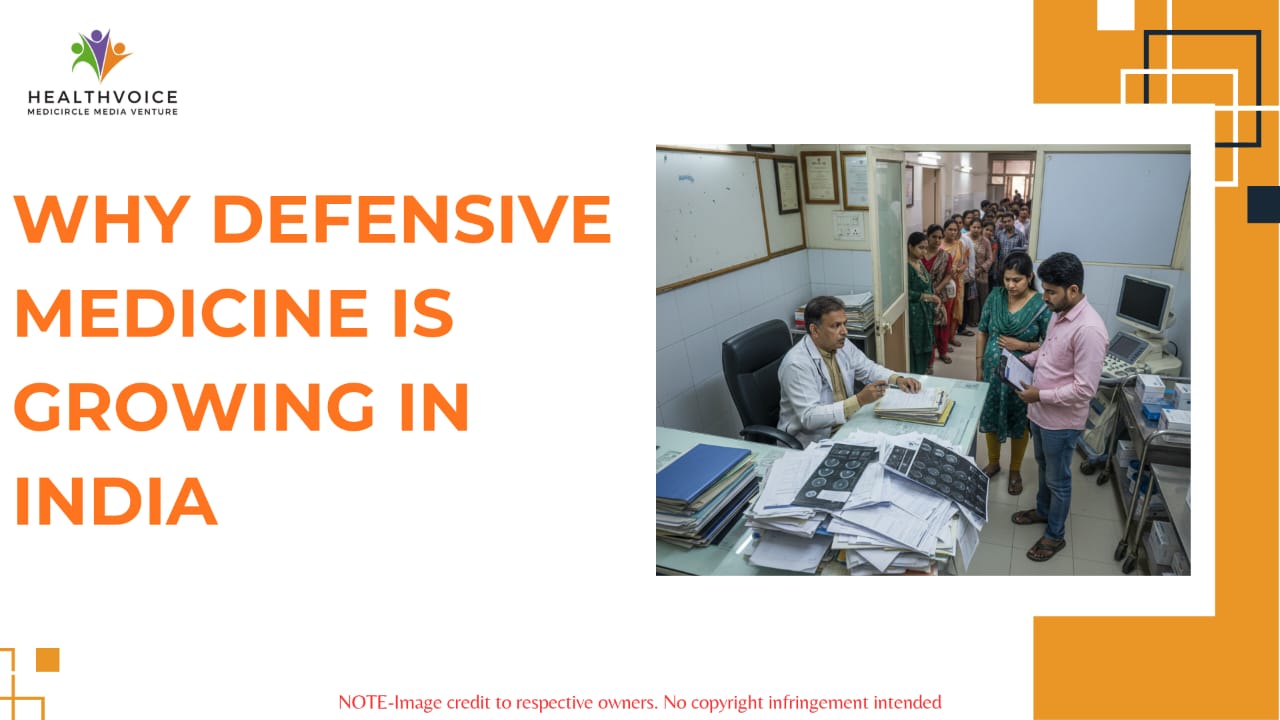
Walk into any busy hospital in India today and you might witness a familiar scene. A physician, consulting a patient with a common headache, recommends an MRI scan. A surgeon thinks twice before accepting a complex, high risk case. These are not random acts but signs of a deeper change sweeping through the medical community. This change is known as defensive medicine and it is quietly reshaping how healthcare is delivered in the country.
At its heart, defensive medicine is when a doctor's decisions are influenced by the fear of legal trouble or violence, not just by what is medically ideal for the patient. It is a practice born from a climate of mistrust and apprehension. For the average person, this shift affects healthcare costs, the quality of care they receive and the foundation of the doctor patient relationship. It is a story that needs to be understood from all sides.
How it looks in real life:
Defensive medicine is not one single action but a pattern of behavior. It primarily takes two forms, both with significant consequences.
The first is often called assurance behavior. This is when a doctor orders extra tests, procedures or specialist referrals that are not strictly necessary from a medical standpoint. They do this to build an extensive defense file, a paper trail that could protect them if their decisions are later questioned. Think of a CT scan for a straightforward case of appendicitis or multiple blood tests for a simple viral fever. The doctor is thinking, “What if I am sued? I need every possible document to prove I was thorough.”
The second form is avoidance behavior. This is more subtle but equally concerning. Here, doctors start to shy away from high risk patients or complex procedures. They might refer a complicated case to a larger government hospital or a more specialized private facility. Some doctors may even choose to leave high pressure specialties like neurosurgery or obstetrics altogether. They are essentially avoiding situations where the potential for a bad outcome and thus legal or personal risk is higher.
In everyday practice, this means:
- More tests: Unnecessary MRIs, CT scans and blood work.
- More referrals: Sending patients to other specialists for minor issues.
- Safer choices: Opting for treatments that are legally safer rather than medically best.
- Risk aversion: Turning away critically ill patients due to fear of repercussions.
Roots of the problem:
Doctors do not adopt this mindset without reason. Several powerful forces in India are pushing them in this direction.
One of the most significant factors is the fear of litigation. The possibility of a malpractice lawsuit hangs over many medical decisions. Even if a doctor is ultimately proven right in court, the process is long, expensive and emotionally draining. The mental stress of fighting a legal battle can be devastating, leading many to practice medicine with a lawyer in mind at every step.
A uniquely severe problem in India is the threat of violence. Reports indicate that a vast majority of doctors have faced verbal or physical abuse at work. News of clinics being damaged or doctors being assaulted by patient’s relatives is sadly, not uncommon. When a doctor fears for their personal safety, the instinct to protect oneself begins to override other considerations. This environment is a primary driver of defensive practices.
Changing patient expectations also play a role. With easy access to online medical information, many patients arrive with self-diagnosed conditions and strong expectations. To avoid conflict or confrontation, a doctor might feel pressured to prescribe an antibiotic or order a scan that they know is unnecessary.
The real cost:
The price of defensive medicine is paid by everyone in the system.
The most obvious impact is financial. Every unnecessary test adds to the patient’s bill. In a country where many pay for healthcare directly from their savings, this wasteful spending places a heavy burden on families. The overall cost to the national healthcare system is enormous.
But the cost is not just monetary. There is a real impact on patient health. Unnecessary tests can show false positive results, leading to more invasive tests, anxiety and treatments for conditions that do not exist. Patients may be exposed to radiation from imaging scans they never needed. The precious trust that forms the core of healing is eroded when decisions feel driven by fear rather than care.
At a systemic level, the consequences are severe. If doctors increasingly avoid risky specialties, who will manage complex emergencies? This can widen the existing gap between urban and rural healthcare, as doctors move toward safer practices in major cities.
Healing the system:
Solving this complex issue requires effort from all sides: doctors, patients, policymakers and society.
There is a pressing need for stronger legal safeguards and security. Legal reforms that distinguish between genuine negligence and unavoidable complications can help. Strict enforcement of laws against violence targeting healthcare workers is essential. Hospitals need better security systems to ensure a safe working environment.
Improving communication is another powerful solution. Medical education must emphasize clear, empathetic communication with patients and their families. When patients understand the risks and uncertainties involved in treatment, they are more likely to trust their doctors and less likely to react with anger or litigation.
Finally, there must be a broader public conversation about the limits of modern medicine. Not every disease has a cure and not every complication is the result of error. As one senior doctor said, the human body is not a machine with a predictable repair manual.
A shared responsibility:
Defensive medicine is more than a professional strategy; it is a symptom of broken trust between society and doctors. Fixing it is a collective responsibility.
It requires a society that protects its doctors, a legal system that is fair and discerning and a public that understands the challenges of medical practice. The goal is to create an environment where a doctor can work with confidence, focusing solely on what is best for the patient. The quality of healthcare for every Indian family depends on restoring this trust.
 Team Healthvoice
#HealthcareIndia #MedicalEthics #HealthcareSystem #PatientSafety #HealthAwareness #HealthcareCosts #QualityOfCare #MedicalProfession #PublicHealth #HospitalCare #DoctorSupport #healthvoice
