Managing complexity in multi-morbidity patients
Managing multiple long term conditions requires coordinated, person centered care that prioritizes daily life goals, reduces treatment burden and integrates medical decisions into a single, meaningful health plan.
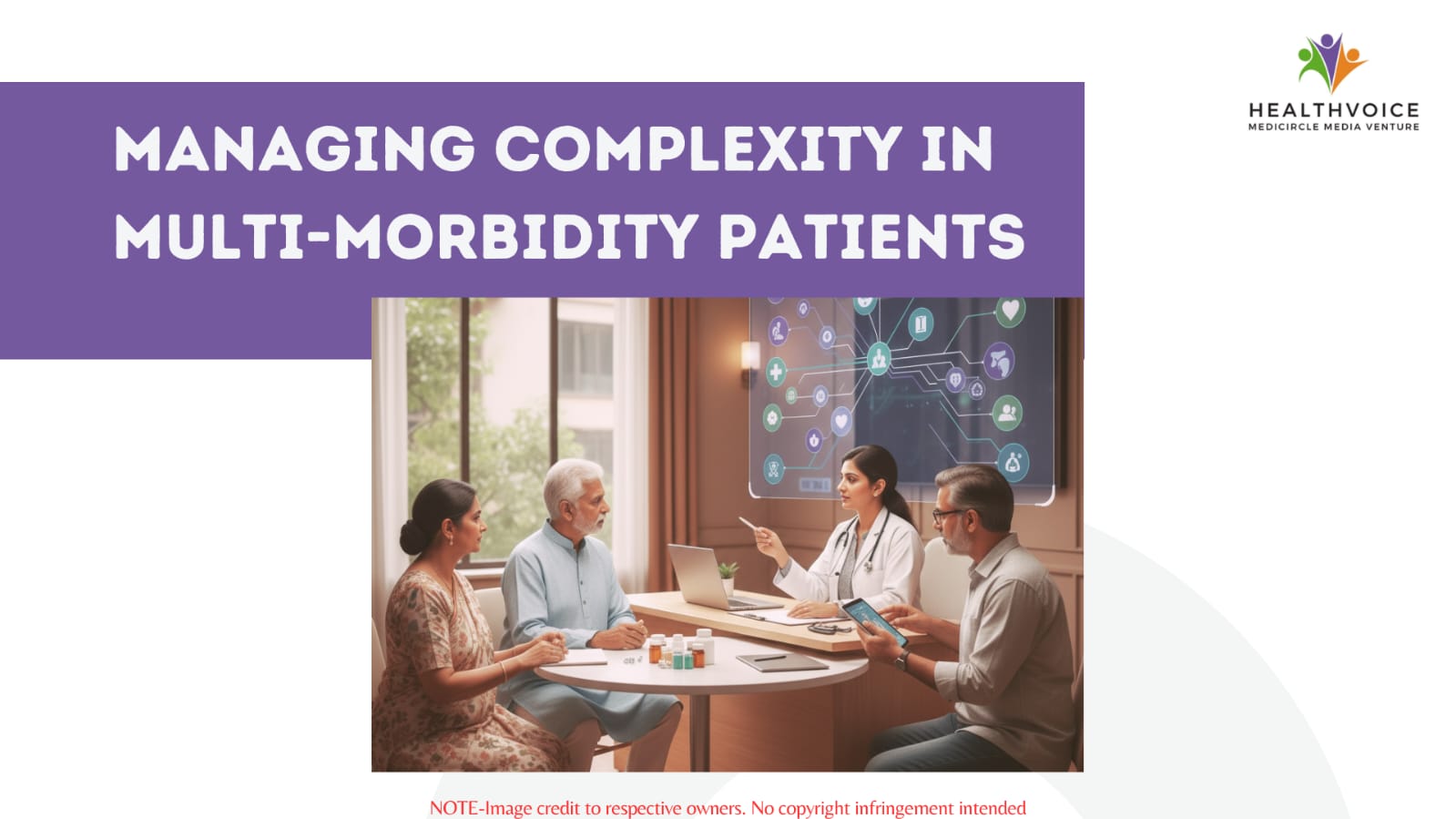
Life for many in India today often means juggling. Juggling work, family and for a growing number of people, multiple health concerns. Consider a gentleman named Ramesh, a retired teacher from Chennai. His day revolves around a strict schedule: sugar checks for his diabetes, pills for his blood pressure and exercises for his achy knees. This is not just managing one thing; it is balancing a delicate, interconnected system. His experience is becoming common, a situation doctors call multi-morbidity, living with two or more long term health conditions.
The healthcare system, excellent at tackling single problems, often struggles with this complexity. People find themselves on a treadmill of specialist appointments, each focusing on one part while the whole person gets lost. The result can be confusion, conflicting advice and an exhausting pile of medications. But what if there was a way to simplify this? An approach that sees Ramesh not as a collection of separate diagnoses, but as a whole person wanting to live a full life.
The real challenge:
Multi-morbidity is not just a list. It is the interaction. It is how diabetes can make joint pain feel worse or how some blood pressure medicines need careful watching when kidney function is a concern. These conditions talk to each other, often in unhelpful ways. A treatment for one can affect another. The fatigue from a heart condition can make sticking to a diabetic diet feel overwhelming.
This is where the traditional model shows its strain. Seeing separate doctors for each issue can lead to a heavy treatment burden, a term used by experts to describe the weight of managing numerous pills, diets and clinic visits. It is not just physically draining; it is mentally taxing. Studies have shown that managing several conditions can take up significant time and energy, leaving little room for simply enjoying life.
Asking “What matters to you?”
The solution emerging globally is a shift in perspective. It is moving from a question of “What is wrong with you?” to “What matters to you?” This person centered care is the cornerstone of modern management for multiple conditions.
It means that a doctor’s conversation with Ramesh would not only review his latest HbA1c and blood pressure readings but would also ask about his life. Does he want to walk comfortably to the local temple? Play with his grandchildren without getting breathless? Feel less overwhelmed by his pill box? His personal goals become the most important targets for his care plan. This approach uses medical expertise not just to control diseases, but to enable a person’s life.
Building a unified care plan:
So, how does this work in a real clinic or even at home? It is built on collaboration and simplification.
One unified conversation replaces multiple rushed appointments. Instead of separate visits for diabetes, heart disease and joint problems, there is one longer comprehensive review. All of Ramesh’s health issues, medications and challenges are looked at together. This holistic view helps avoid conflicts and creates a coherent plan.
A careful medicine check-up is central to this process. The doctor reviews every pill and asks whether all are still necessary and whether the schedule can be simplified. The goal is to reduce unnecessary medication through de-prescribing, which lowers side effect risks and eases daily burden.
Teamwork between doctor and patient shapes the plan. The doctor contributes medical expertise about risks and options. Ramesh contributes insight into his body, routine and priorities. Together, they build a realistic plan that supports both health and daily life.
Clear leadership keeps care coordinated. Whether it is a trusted family physician, a lead specialist or a family caregiver, one central point of contact ensures alignment. This prevents confusion, gaps in care and mixed messages.
Tools that enable better care:
While healthcare systems evolve, individuals are not powerless. Living well with multiple conditions means understanding your health, recognizing changes and following an agreed plan. It involves finding a sustainable balance of nutrition and safe activity that fits daily life.
New digital tools can support this journey. Reliable health platforms can provide clear information, medication reminders and activity tracking. For someone like Ramesh, a well-designed app can bring structure to complex routines. For doctors, access to trusted medical resources supports better unified decision making. These tools do not replace human care; they extend it into everyday life.
Finding clarity in complexity:
Managing multiple health conditions is complex, but it does not have to be confusing or isolating. The way forward lies in integration of care, communication and goals. It requires healthcare providers to listen deeply and connect the dots. It encourages individuals to speak openly about what makes life meaningful.
The shared aim is simple: not just adding years to life, but adding life to years. By placing the person at the center of care, complexity becomes manageable. The burden lightens. Balance becomes possible. It all begins with a different question, one that reshapes the entire conversation: “Tell me, what is important for you to be able to do?”
 Team Healthvoice
#MultiMorbidity #ChronicCare #IntegratedHealthcare #HealthyAging #PrimaryCare #ChronicIllness #PatientFirst #IndianHealthcare #HealthJourney #healthvoice