What Medical Education Teaches When No One Is Watching
Courage, accountability, and empathy are the only prescriptions that can cure this long-standing ailment within medical education.
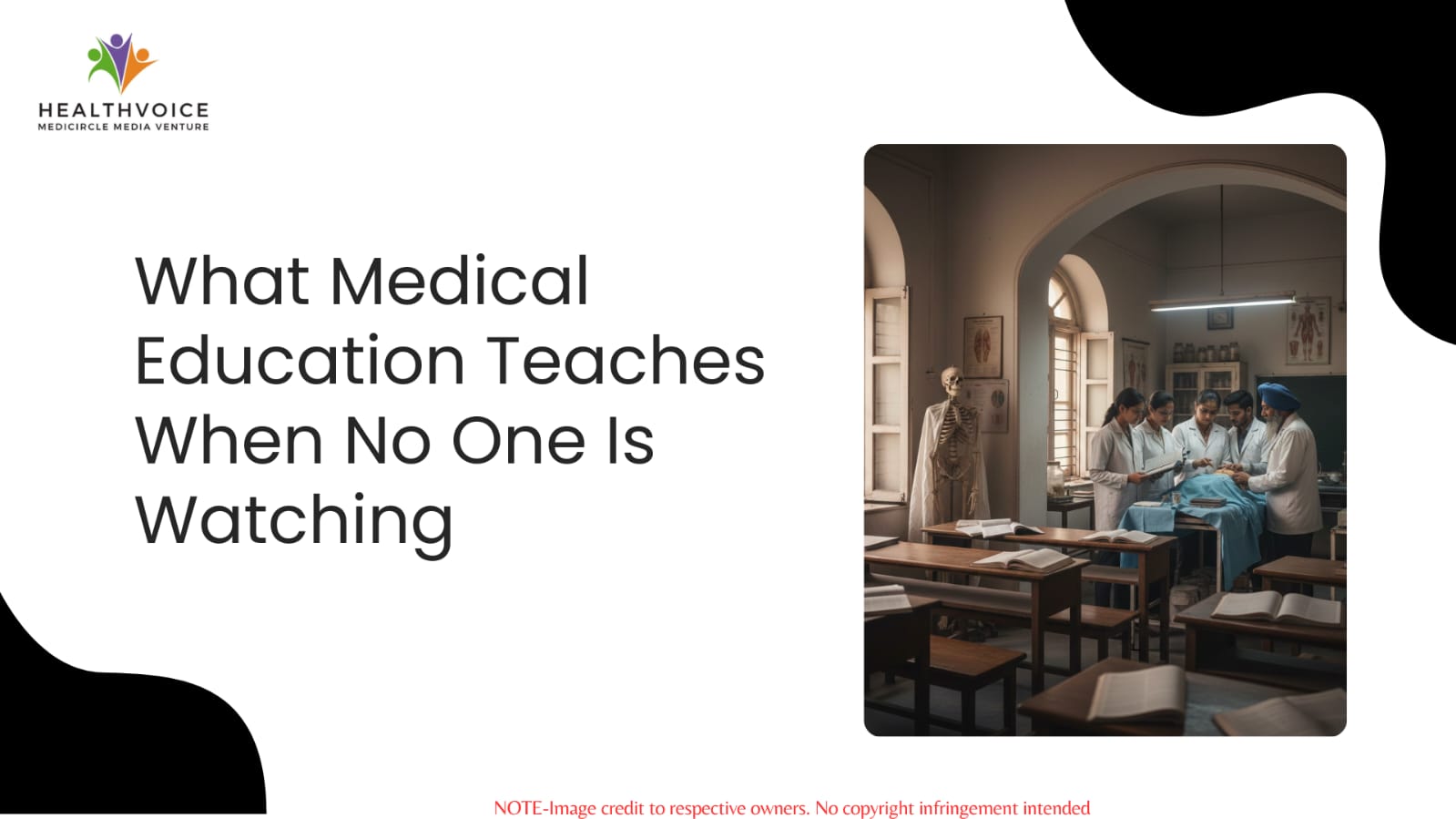
Medical colleges are meant to be spaces where empathy is cultivated, discipline is internalised, and responsibility is slowly shaped through years of rigorous training. Every student who enters an MBBS classroom carries the promise of becoming a healer, someone entrusted with human lives, dignity, and trust. When violence erupts within such spaces, especially in the name of ragging, it shakes the moral foundation of medical education itself. The recent disciplinary action taken by Government Doon Medical College in Dehradun following a violent ragging incident has once again forced the medical fraternity to confront a fact that an institution meant to teach care become a place of fear for its youngest members.
The decision to suspend nine MBBS students and expel them from the hostel is not a routine administrative order. It is a reflection of accumulated frustration, mounting intolerance for abuse, and a growing recognition that ragging, especially when it crosses into physical violence, is incompatible with the values of medicine. According to reports carried by Press Trust of India, the action followed a complaint by a junior student who alleged that he was beaten with belts by senior students. The details that emerged from the inquiry paint a disturbing picture that goes far beyond what some still try to normalise as “harmless initiation”.
The complainant, a student from the newest batch, described being assaulted, humiliated, and mentally shaken. He spoke of being taken outside the campus, forced to cut his hair against his will, and made to sleep outside the hostel. These acts were not impulsive pranks. They were deliberate exercises of power, designed to intimidate and degrade. In his written complaint to the hostel authorities, the student expressed fear of retaliation and admitted that the incident had left him psychologically disturbed. For a first-year medical student, barely months into professional training, such trauma can alter the entire educational journey.
Ragging has long been defended by some as a misguided rite of passage. In medical colleges, this defence is often stronger, wrapped in nostalgia and hierarchy. Seniors claim it builds resilience, breaks ice, or prepares juniors for the harsh realities of clinical life. Yet, violence disguised as bonding does not build resilience. It breeds fear, resentment, and silence. When belts are used, when humiliation becomes coercive, and when juniors are pushed to the edge of dignity, the line between tradition and criminal behaviour is clearly crossed.
The Anti-Ragging Committee of the college conducted an inquiry into the incident and found multiple senior students guilty of assault. Based on its recommendations, the administration imposed differentiated penalties. Two students were suspended from classes for two months and expelled from the hostel and internship facilities for the entire duration of their course. They were also fined a substantial amount. Seven others faced suspension from classes for one month and hostel expulsion for three months. Such calibrated punishment signals that the institution recognised varying degrees of involvement, yet remained firm in its zero-tolerance stance.
Dr. Geeta Jain, Principal of the college, stated clearly that the campus is meant to be ragging-free and that such behaviour will not be tolerated under any circumstances. This statement carries weight because it comes at a time when medical institutions across India are under scrutiny for how they handle student welfare. Too often, complaints are buried under committees, delayed through internal negotiations, or softened in the name of reputation management. In this case, the administration acted decisively, aware that inaction would have sent a far more damaging message.
The response from the state government further reinforced this position. The Medical and Medical Education Minister described the incident as deeply unfortunate and directed that strict action be taken to ensure it serves as a warning for the future. His remarks acknowledged that ragging incidents raise serious questions about institutional discipline and order. When such behaviour occurs in a medical college, the implications are even more severe. Doctors are expected to be calm under pressure, respectful of human dignity, and capable of ethical judgement. Allowing violence during training undermines these expectations.
This episode invites reflection on why ragging persists in medical colleges despite decades of regulation, court orders, and public condemnation. Part of the answer lies in hierarchy. Medicine is structured around seniority, from classrooms to wards. While hierarchy is necessary for training and accountability, it becomes dangerous when it morphs into unchecked authority. First-year students are often isolated, unfamiliar with systems, and dependent on seniors for guidance. This imbalance creates fertile ground for abuse when institutional oversight is weak or complacent.
Another factor is silence. Victims of ragging frequently hesitate to report incidents, fearing social isolation, academic repercussions, or further harassment. In many cases, complaints surface only after the harm becomes unbearable. The courage shown by the complainant in this case deserves recognition. By putting his experience on record, he not only sought justice for himself but also disrupted a cycle that might have continued unchecked. His words, expressing fear and mental disturbance, highlight the psychological cost of ragging, a dimension that is often underestimated.
Mental health in medical education has become a growing concern in India. Long hours, academic pressure, and emotional exposure to illness already place students under strain. Adding fear and humiliation to this environment can push vulnerable individuals towards anxiety, depression, or worse. Ragging is not an isolated act; it interacts with existing stressors, amplifying harm. For a profession struggling with rising burnout and suicides, ignoring such factors is no longer an option.
The legal framework against ragging is robust on paper. Supreme Court guidelines, UGC regulations, and mandatory anti-ragging undertakings have been in place for years. Medical colleges are required to constitute committees, conduct awareness programmes, and maintain vigilance. Yet, enforcement varies widely. Some institutions treat these measures as checklists rather than commitments. The Dehradun case stands out because the mechanisms were activated, the inquiry was conducted, and consequences followed.
Still, punitive action after the fact is only part of the solution. Prevention requires cultural change. Medical colleges must actively dismantle the narrative that suffering is a prerequisite for belonging. Orientation programmes should emphasise mentorship over dominance. Seniors should be trained to understand their role as guides, not gatekeepers. Faculty members and hostel wardens need to be visible, approachable, and responsive. Anonymous reporting mechanisms must be trusted, not symbolic.
There is also a need to question how professional identity is shaped during training. If students learn early that power can be exercised through fear, it may influence how they interact with patients, colleagues, and juniors later in their careers. A medical system already struggling with complaints of arrogance and insensitivity cannot afford to normalise such behaviour at the training stage. Compassion cannot be taught only through textbooks; it must be lived within institutional culture.
The consequences imposed in this case may appear harsh to some, especially considering the long-term impact on the accused students careers. Yet, this discomfort must be weighed against the harm inflicted on the victims and the message sent to the wider student community. Discipline in professional education is not about revenge; it is about accountability. When boundaries are violated, especially through violence, consequences must be clear and visible.
It is also important to recognise that such incidents damage public trust. Society places immense faith in doctors, expecting them to uphold ethical standards even under stress. News of violent ragging in medical colleges erodes this trust, raising uncomfortable questions about the values being nurtured within these institutions. By acting firmly, the college administration has attempted to repair this trust, signalling that misconduct will not be shielded by academic status.
Expanding medical education infrastructure, increasing seats, and opening new colleges are important goals. Yet, quality is defined as much by environment as by curriculum. A campus where students fear seniors cannot produce confident, ethical doctors. Regulatory bodies and state governments must ensure that student welfare is treated as a core quality parameter, subject to regular audits and accountability.
The Dehradun incident may fade from headlines, but its significance should not. It represents a moment when an institution chose principle over convenience. It shows that complaints, when taken seriously, can lead to action. It reminds the medical community that traditions that harm have no place in modern education. Above all, it underscores that the white coat carries responsibility from the first year, not just after graduation.
Ragging thrives in shadows. Transparency, vigilance, and moral clarity are its strongest antidotes. As medical colleges continue to shape the next generation of doctors, they must decide what kind of professionals they want to send into society. Healers shaped by fear, or clinicians grounded in respect. The answer will define the future of healthcare as much as any policy or technology.
In choosing to act decisively, the administration in Dehradun has drawn a line that many others must now be willing to draw. Medicine cannot afford to look away when its own spaces become sites of violence. Silence, in such moments, is complicity. Courage, accountability, and empathy are the only prescriptions that can cure this long-standing ailment within medical education.
 Sunny Parayan
#MedicalEducation #EndRagging #StudentSafety #ZeroTolerance #EthicsInMedicine #FutureDoctors #MedicalStudents #MentalHealth #HealthcareValues #MedicalEthics #IndiaHealthcare #UGCGuidelines #StudentWelfare #healthvoice