Managing patient load without compromising care
Managing patient load requires smarter workflows, digital tools, coordinated care systems, and flexible scheduling, so clinics can reduce delays, prevent burnout, and deliver compassionate, high-quality care to every patient.
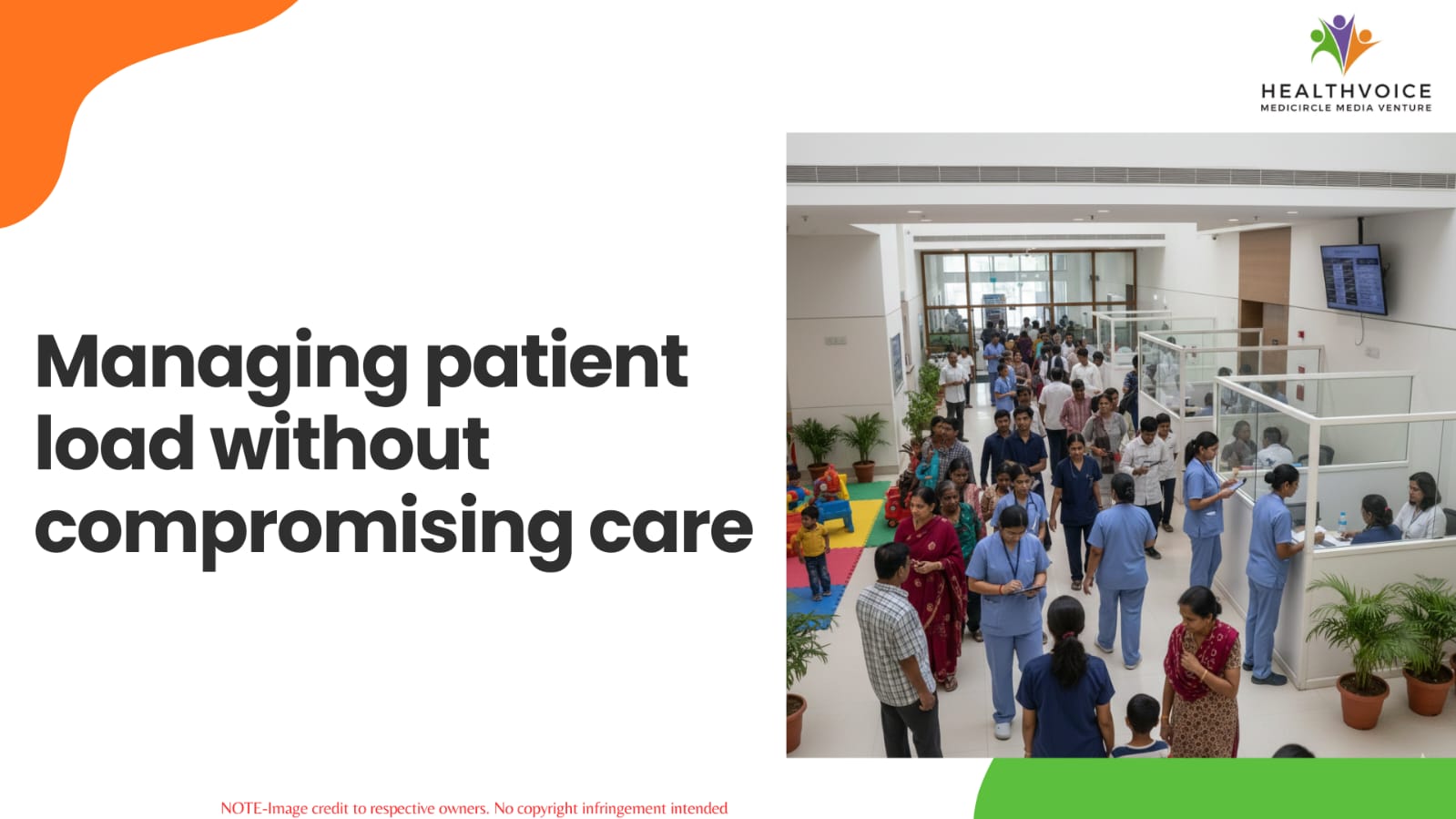
The scene is familiar across many clinics and hospitals in India. The waiting area is full of people. The air feels heavy with anticipation and the quiet sounds of patience wearing thin. A doctor works at a desk covered with files and forms, looking up at the clock with concern. This situation is common in Indian healthcare. It happens every day. The most important question for medical professionals now involves more than treatment. It involves mastering a difficult balance. They must balance a long list of patients with a commitment to high quality care for every individual.
This challenge is more complex than organizing a line of people. It tests the fundamental philosophy of a medical practice. A system must function efficiently while preserving a personal touch. Success requires moving from a mindset focused on working harder to one focused on working in a smarter way. Implementing clever and practical changes can smooth the entire patient journey. This journey starts with the first contact and ends with follow-up care.
Addressing Common Bottlenecks:
Frustration for staff and patients can begin at the first point of contact. An appointment system that depends on a single telephone line often creates immediate problems. Adopting a structured online booking platform can create significant improvement. Such a platform provides clarity and control for patients. It also allows administrative staff to spend less time managing telephone calls. This system supports an effective triage process. A child with a high fever can receive a prompt appointment. Routine check-ups receive appropriate slots. This method ensures urgent cases receive timely attention.
Inside the clinic, other inefficiencies can waste valuable time. Doctors may lose minutes searching for test results or understanding notes from various departments. This internal friction steals time from patient care. Streamlining this internal flow is very important. Simple actions can create positive effects. Medical teams can agree on standard checklists for common health issues. They might use a shared digital log for patient updates. The objective is to remove small daily delays. Looking for a physical file or waiting for a lab report can add up. These small delays create long waiting hours for patients.
Patient demand often exceeds the capacity of a standard daily schedule. Thoughtfully extending clinic operating hours can redistribute the workload. Early morning hours could assist senior citizens. Evening slots might help working professionals. This approach requires intelligent planning for staff and resources. It is not about overworking the medical team. Offering this flexibility addresses community needs. It also prevents the late morning rush from overwhelming the practice.
Unified Patient Care:
Sustainable improvement requires a new perspective. A clinic should not function as a collection of separate rooms. It should operate as one interconnected system. Studies from well-managed hospitals indicate a valuable idea. The entire patient pathway should be treated as one unified flow that requires coordination. For Indian clinics and hospitals, this means different departments must work together. The consulting room, the pathology lab, the pharmacy, and post-consultation care need to operate in harmony.
Technology serves as a crucial element for connecting this system. Outdated software and disorganized digital records often create confusion. A cohesive practice management system can provide a clear real-time view of operations. It can show bed availability, pending test reports, and patient progress. This visibility supports better decision-making about resources. It allows doctors to concentrate on diagnosis instead of administrative tasks.
Furthermore, a single medical facility cannot provide every service. Building a trusted network with other professionals extends a practice capability. Reliable specialists, diagnostic centers, and rehabilitation services become partners. When a patient needs advanced care, a coordinated referral is essential. Clear records and direct communication ensure continuous care. This collaborative network strengthens healthcare for the entire community.
Compassionate Efficiency:
A focus on smoother operations must always remember a core principle. The human connection between caregiver and patient is irreplaceable. The goal of efficiency is to provide more attention to each patient. Reducing administrative chaos helps achieve this goal. It also directly addresses the problem of doctor burnout. Protecting a doctor mental space supports empathy, careful listening, and accurate diagnosis.
Platforms designed for professional exchange support this mission. They offer a necessary space for practical learning. A doctor from Jaipur might share a tip about a color-coded filing system. A nursing head from Chennai could explain an effective discharge protocol. This exchange of ground-level wisdom turns personal experience into a shared resource. It empowers medical professionals to improve their daily practice.
Mastering patient flow represents a necessary evolution for Indian healthcare. Solutions arise from deliberate and thoughtful design, not from simple shortcuts. The process calls for adopting helpful tools and designing workflows that empower staff. It requires building strong connections with other healthcare providers. True success results in more than a shorter waiting list. It builds a resilient and compassionate system. In this system, quality care becomes a reliable promise for every person seeking trust and healing.
 Team Healthvoice
#IndianHealthcare #HealthcareLeadership #DoctorLife #HospitalManagement #HealthcareInnovation #HospitalWorkflow #HealthcareTransformation #DigitalHealth #SmartHealthcare #HealthcareIndia #HealthSystems #QualityCare #FutureOfHealthcare #healthvoice
