Public v/s Private Healthcare Delivery in India: Clinical Perspectives
The Indian healthcare system offers unique clinical advantages through a dual model of public expertise and private efficiency. Understanding these sectors helps families make informed medical decisions for better health outcomes.
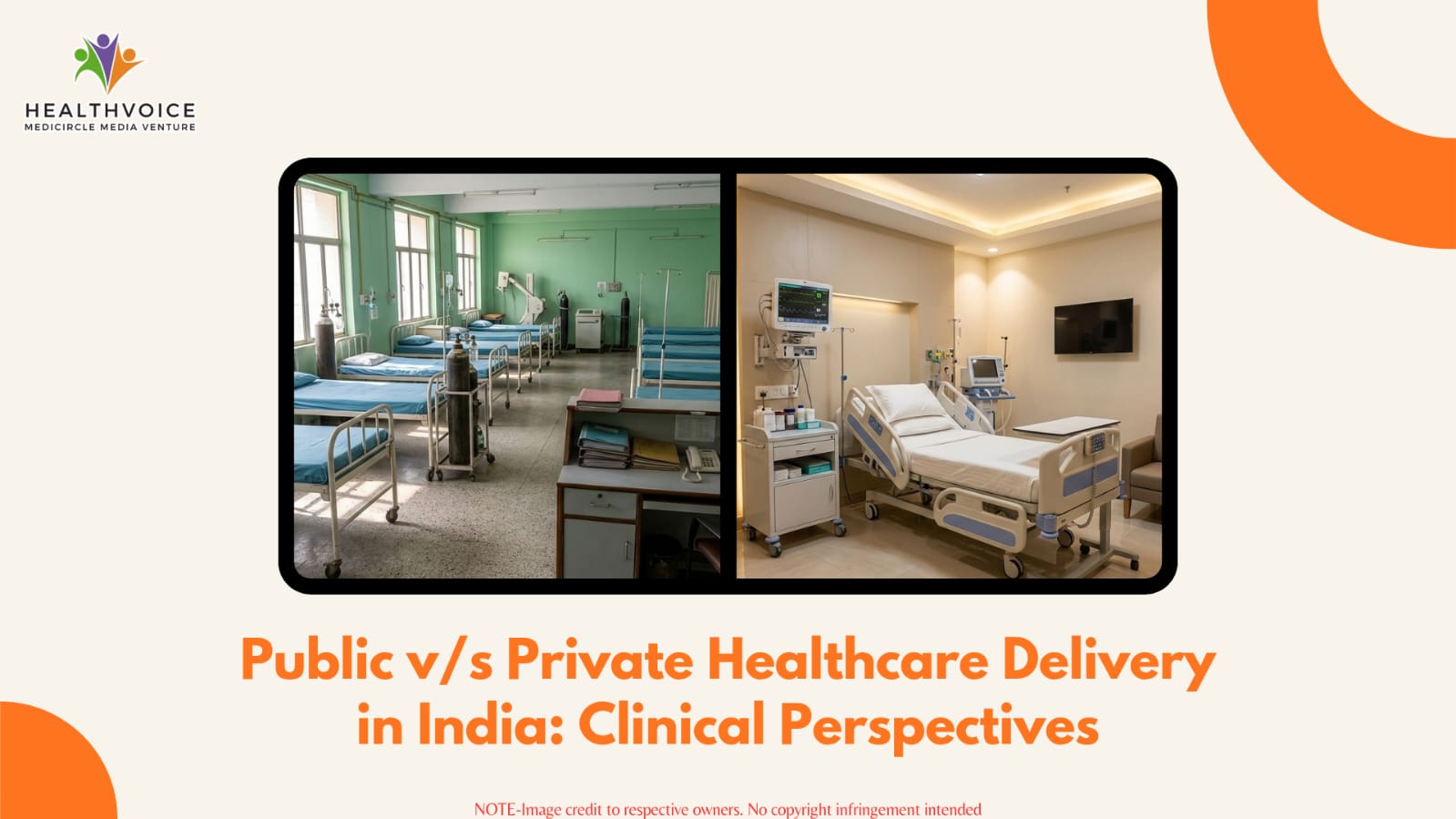
Selecting the appropriate medical facility in India is a complex process for any family. Whether you reside in a metropolitan area or a rural district, the decision usually involves choosing between a government institution and a private medical center. This choice is about more than financial cost alone. It requires a deep understanding of a dual system where each sector provides specific clinical strengths. To make an informed decision, you must examine the operational realities that exist within both public and private medical environments.
Public Sector Expertise:
Public hospitals are frequently associated with long waiting periods and high patient density. However, these factors contribute to a medical environment that produces highly skilled professionals. Doctors at premier institutions like the All India Institute of Medical Sciences manage an incredible volume of cases every day. This high turnover allows surgeons and specialists to gain extensive experience in a very short period. Such rigorous practice builds strong clinical intuition and the ability to handle life threatening complications with precision. Furthermore, the government network remains the primary provider for critical public health services such as large scale immunizations and the treatment of infectious diseases.
Private Sector Efficiency:
The private medical sector focuses on providing convenience and advanced technological solutions. It is an excellent choice for individuals managing chronic conditions like diabetes or for those planning elective surgical procedures. One major benefit is the amount of time a physician can dedicate to each individual. In these settings, you are encouraged to engage in a detailed dialogue about your diagnosis and treatment plan. Private facilities also serve as leaders in medical technology. They often provide the first access to robotic surgeries and sophisticated diagnostic imaging. For patients with insurance coverage, this usually results in a faster and more comfortable recovery process.
Improving Medical Communication:
A significant challenge in the Indian health system is the gap in communication between providers and patients. In a busy government clinic, a doctor may have only a few minutes to evaluate a patient. This speed can lead to feelings of confusion or dissatisfaction among those seeking care. Fortunately, there is a growing movement toward patient centered care that prioritizes clear explanations over simple prescriptions. Digital health platforms are now playing a vital role by providing the clarity that busy hospital settings might lack. This evolution helps transform the relationship into a partnership where the patient is fully informed.
Necessity and Innovation:
India is well known for its ability to provide high quality care through resourceful methods. Public sector doctors are experts at adapting global medical protocols to suit local resource limitations. This unique approach ensures that life-saving care remains available even in challenging environments. On the other hand, the private sector excels in digital integration. The use of electronic records and telemedicine allows specialists to reach patients in remote areas with ease. While the public sector offers the necessary scale, the private sector provides the technical infrastructure required for modern medical precision.
Selecting Proper Care:
The right choice depends on your specific medical requirements and the urgency of the situation. You should consider public facilities for trauma care, infectious diseases, or complex surgeries where high volume experience is vital. Private facilities are often better for lifestyle diseases and elective procedures that require personalized attention. These two sectors are beginning to cooperate more effectively through government insurance schemes. These initiatives allow more citizens to access private hospitals while encouraging public centers to improve their service standards.
Future Medical Vision:
The goal for the nation is a collaborative system where both sectors work together for the common good. No single entity can support the health needs of such a massive population. We require the vast experience of government hospitals alongside the efficiency of private centers. Staying informed is the most effective way to ensure your family receives the best possible treatment. By seeking transparency and utilizing available resources, you can ensure a healthcare journey that is both dignified and clinically excellent.
 Team Healthvoice
#HealthcareIndia #MedicalCare #PatientAwareness #HealthChoice #GovernmentHospitals #PrivateHospitals #MedicalFacilities #HospitalCare #HealthcareAccess #PatientSafety #HealthEducation #DigitalHealth #MedicalTechnology #ChronicCare #healthvoice
