Artificial Intelligence in Radiology: Clinical Utility and Limitations
This article explores how Artificial Intelligence assists Indian radiologists by improving diagnostic speed and rural accessibility while emphasizing that human expertise remains essential for clinical context, ethics, and patient trust.
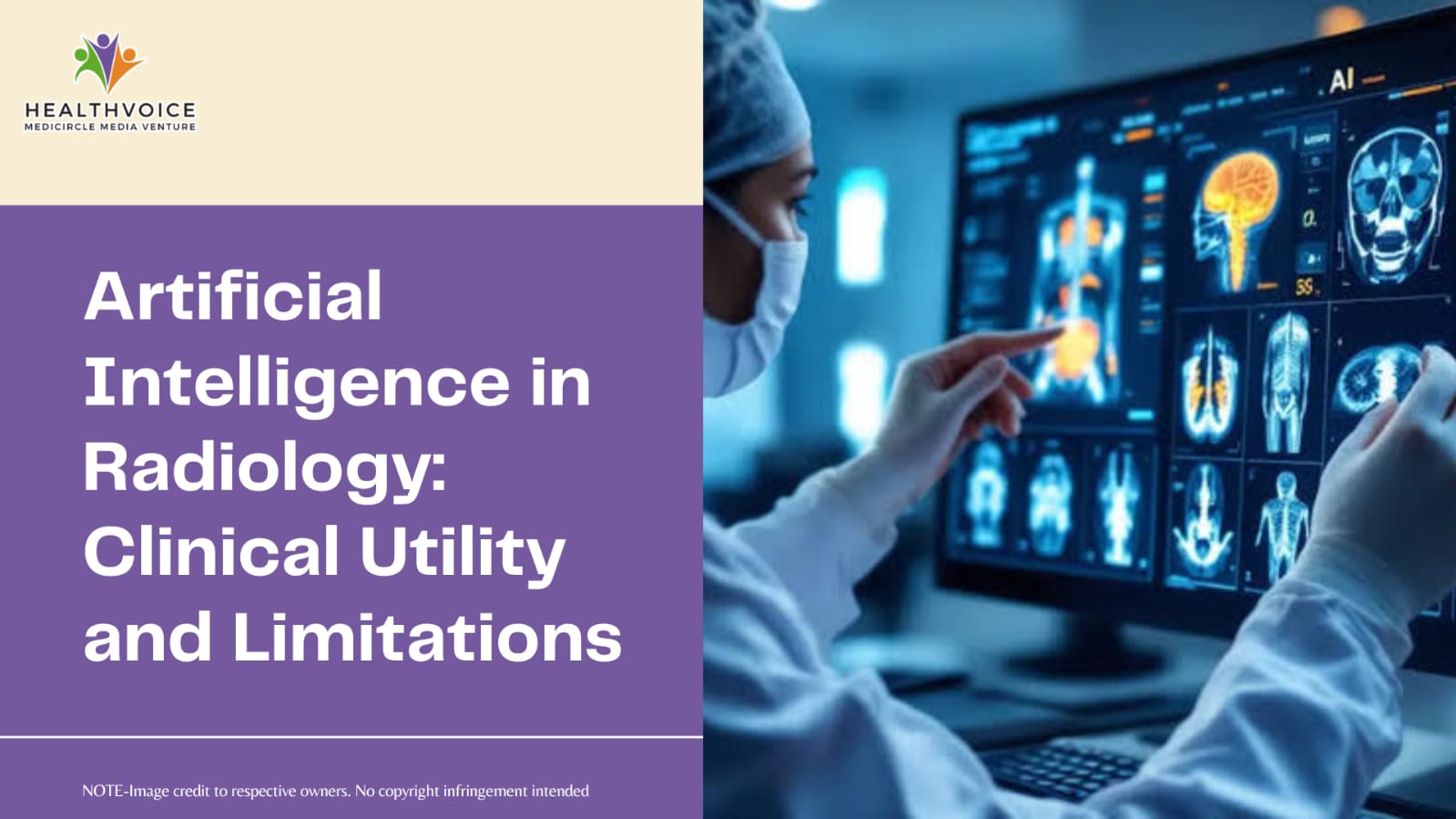
Within the busy corridors of the healthcare system in India, a quiet transformation is unfolding behind the screens of diagnostic laboratories. While popular culture often portrays Artificial Intelligence as a science fiction replacement for human workers, the reality in Indian hospitals is much more practical and collaborative. In a country where there is often a significant gap between the number of patients needing scans and the available specialists, this technology is stepping up as a powerful digital ally. For patients and medical professionals alike, understanding this shift is essential to navigating the future of diagnostics. It is not about machines taking over the industry; rather, it is about making the entire process faster, more accurate, and more accessible.
Digital Detail Insights:
Traditionally, interpreting an X-ray or a CT scan was a manual and time intensive task. A radiologist had to examine every millimeter of an image to find tiny abnormalities, which required immense focus. As lifestyle diseases rise and the population grows, the volume of images produced daily can lead to a massive backlog. This is where Artificial Intelligence shines. By learning from millions of previous medical cases, the software can scan an image in seconds. It identifies patterns that might be invisible to a human eye during a long and fatiguing shift. In major urban centers such as Delhi or Bengaluru, these tools are now used to prioritize cases. If the software detects signs of an urgent issue like a brain stroke, it instantly flags that scan for immediate review. This ensures that critical patients receive the attention they require in minutes rather than hours.
Rural Healthcare Accessibility:
Beyond the big cities, technology is tackling one of the most persistent health challenges in India regarding accessibility. In remote areas where a specialist radiologist might not be available for many miles, AI-powered portable X-ray machines are becoming a true lifeline. For example, Tuberculosis remains a serious public health concern across the country. These digital tools can now analyze chest X-rays on the spot in rural health camps and provide a high probability score for the disease immediately. This allows healthcare workers to start treatment protocols and prevent further spread without waiting days for a report from a distant city. It is a prime example of how technology is democratizing healthcare and ensuring that your location does not determine the quality of your diagnosis.
The Human Factor:
Despite these breakthroughs, it is important to recognize that Artificial Intelligence has clear boundaries. It is a tool and not a doctor. One of the primary limitations is that an algorithm is only as smart as the data used to train it. If a system was developed using data exclusively from Western populations, it may not initially understand the unique genetic or environmental factors that affect the health of an Indian patient. Furthermore, the software lacks clinical context. A computer might see a mark on a lung scan and label it as a threat. A human radiologist, however, looks at the full story of the patient including their history of past infections and physical symptoms. The doctor understands that a shadow is not always a tumor because it might be a scar from a decades old illness. Without this human nuance, the software can be hypersensitive and lead to false positives that cause unnecessary stress.
Ethics and Trust:
In India, the relationship between a patient and their doctor is built on a foundation of trust. Patients want to know the specific reasons why a certain diagnosis was made. This presents an ethical challenge known as the black box effect where the software can give a result but cannot always explain the logical path it took to get there. There is also the significant question of accountability. If a machine misses a diagnosis, the responsibility still lies with the medical professional who validated the report. This is why the healthcare community views this as augmented intelligence. It exists to enhance the expertise of the doctor rather than to operate in a vacuum. The final word must always come from a person who can look the patient in the eye and explain the path forward.
Smarter Diagnostic Partnerships:
We are entering an era where the radiologist of the future will spend less time on repetitive data entry and more time on complex problem solving. By letting the software handle heavy lifting like measuring the size of a kidney stone, doctors can focus on the nuances of patient care. For the average Indian family, this means getting reports back sooner so that treatment can begin. It also means knowing that your scan was checked by both a sophisticated algorithm and a trained specialist. Finally, it provides greater reach by offering high quality screenings even in smaller towns and villages.
Concluding Thoughts:
Artificial Intelligence in radiology is not a futuristic dream but a present reality making Indian healthcare more resilient. It offers a way to bridge the gap in our medical infrastructure by providing a second set of eyes that never get tired. However, the heart of medicine remains human. As we move forward, the most effective healthcare will be found where digital precision meets human empathy. This ensures that while technology scans the pixels, the doctors continue to care for the person.
 Team Healthvoice
#ArtificialIntelligence #AIinHealthcare #DigitalHealth #Radiology #HealthcareInnovation #MedTech #FutureOfHealthcare #HealthTech #Telemedicine #MedicalTechnology #Diagnostics #MachineLearning #HealthcareIndia #PublicHealth #AIRevolution #SmartHealthcare #HealthcareTransformation #InnovationInMedicine #healthvoice
