sanitation and stunting: the intersect of civic infrastructure and child development
Childhood stunting is no longer viewed solely as a consequence of poor nutrition. Growing evidence shows that inadequate sanitation, unsafe water, and poor hygiene significantly influence child growth and long-term development.
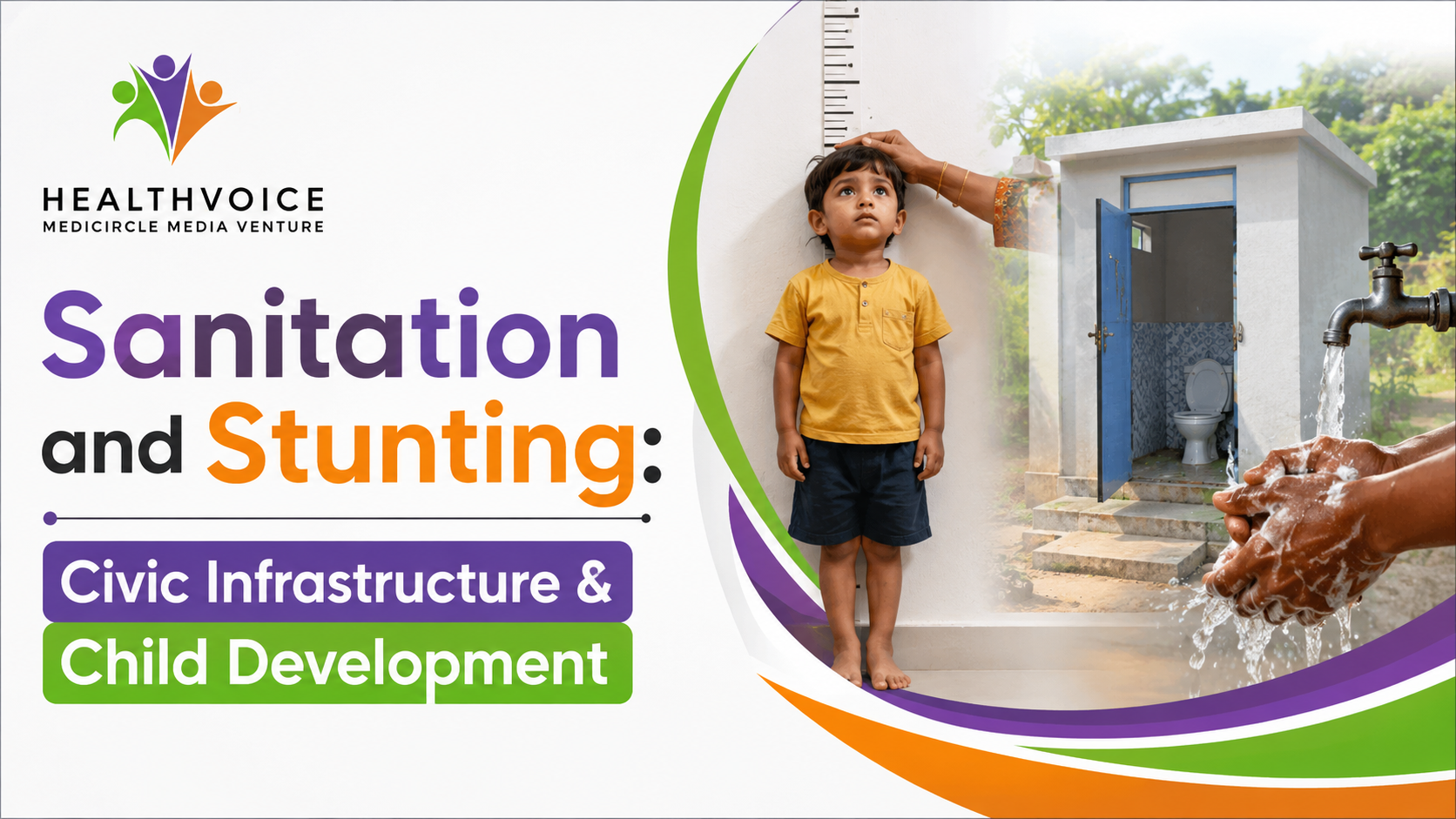
Sanitation and Stunting: The Intersect of Civic Infrastructure and Child Development
For decades, international development agencies and pediatric health associations evaluated childhood growth failures through a narrow nutritional lens. When a toddler presented with linear growth restriction—defined clinically as stunting, or a length-for-age z-score (LAZ) tracking more than two standard deviations below the World Health Organization (WHO) child growth standards—the standard response focused heavily on macro- and micronutrient supplementation arrays.
While caloric and mineral availSanitation and Stunting: Civic Infrastructure & Child Developmentability remain vital pieces of the developmental puzzle, multi-center global epidemiological tracking has exposed a missing link. Providing balanced nutrition is structurally ineffective if a child's immediate environment lacks clean water, basic sanitation, and hygiene (WASH) infrastructure.
[ THE ENVIRONMENTAL PATHOGENIC LOOP ] │ ┌────────────────────────┴────────────────────────┐ ▼ ▼ [ THE INFRASTRUCTURAL DEFICIT ] [ THE PATHOPHYSIOLOGICAL CHASM ] • Open defecation fields • Chronic microbial ingestion • Fecal-oral pathogen pathways • Environmental Enteric Dysfunction (EED) • Contaminated groundwater tables • Intestinal villa flattening & blunting • Outcome: Constant immune activation • Outcome: Chronic systemic nutrient malabsorption
Childhood stunting is deeply rooted in civic infrastructure failures. In areas characterized by open defecation, unlined open sewage drains, and poor fecal sludge treatment systems, infants are exposed to a relentless cycle of fecal-oral contamination.
This toxic environmental exposure goes beyond causing acute diarrheal illness. It triggers a chronic, silent intestinal condition known as Environmental Enteric Dysfunction (EED). This gut disorder damages the intestinal wall, rendering the body incapable of absorbing vital nutrients, which permanently impairs a child's physical growth and cognitive development.
1. The Pathophysiological Cascade: From Open Sewage to Stunted Growth
To understand how civic engineering directly influences pediatric biology, we must trace the clear, destructive path from an unlined street drain to a child’s long-term skeletal development:
[ THE INFRASTRUCTURE TO STUNTING TIMELINE ] Fecal Contamination ──► Persistent ingestion of ambient E. coli via mud, floors, and water. Intestinal Damage ──► Chronic inflammation flattens the gut microvilli, leaking bacterial matter. Nutrient Diversion ──► Liver downregulates growth factor (IGF-1) to fuel the immune battle. Linear Arrest ──► Epiphyseal growth plates stall, causing permanent short stature and cognitive loss.
- Microbial Overload and EED Activation: When toddlers crawl in areas with poor waste management, they swallow small amounts of fecal bacteria, like Escherichia coli, daily. This chronic exposure inflames the delicate lining of the small intestine, flattening the microvilli—the tiny finger-like structures responsible for processing food—and causing the gut wall to become abnormally porous.
- The Dynamic Diversion of Energy: This "leaky gut" allows dangerous bacteria to cross into the bloodstream, triggering a continuous, low-grade immune system response. Fighting this internal infection requires huge amounts of energy. The body is forced to divert precious proteins and calories away from bone development and tissue growth just to fuel a permanent immune defense.
- Hormonal Growth Interruption: In response to this constant inflammation, the liver downregulates the synthesis of Insulin-like Growth Factor 1 (IGF-1), the primary hormone that drives long-term bone growth. Consequently, the long bones stop developing normally at the epiphyseal plates, locking the child into a state of permanent short stature and limiting early brain and cognitive development.
Comparative Matrix: Fragmented Hygiene Perks vs. Structural Civic Infrastructure
The matrix below contrasts the limits of small-scale, individual behavior interventions against the systemic protection delivered by comprehensive public engineering.
Development Staging Axis
Individual Behavioral Hygiene Fixes
Integrated Civil Infrastructure Network
The Developmental Edge for the Child
Pathogen Elimination
Temporary handwashing with variable compliance.
Closed, underground piped blackwater systems.
Breaks the fecal-oral chain entirely, keeping children safe from exposure.
Water Security Profile
Sourcing water from shallow, uninsulated wells.
Deep, continuous clean piped tap supply.
Prevents toxic groundwater cross-contamination during rainy seasons.
Household Focus Zone
Inside house spaces only, ignoring adjacent paths.
Community-wide total sanitation corridors.
Protects toddlers when playing outside in common residential spaces.
Biological Gut Status
High risk of EED from contaminated surroundings.
Insulated gut environment with normal villi.
Preserves nutrient absorption, allowing normal growth.
Cognitive Potential
High long-term risks of intellectual development loss.
Uninhibited neurodevelopment tracking patterns.
Maximizes focus and long-term learning outcomes in early schooling.
2. A Strategic Action Plan for Urban and Public Health Directors
To break the link between poor sanitation and childhood growth failures, municipal corporation leaders, urban engineers, and public health directors must execute a multi-phase operational protocol:
- Execute High-Resolution Community Microbial and Water Contamination MappingPhase 1Identify contamination hotspots early. Audit local water supplies and evaluate soil sample lines across vulnerable neighborhoods to pinpoint hidden fecal links and track infant health risks systematically.
- Deploy Integrated Closed Drainage and Piped Clean Water SystemsPhase 2Replace unsafe, open waste channels. Construct modern, insulated underground pipelines, remove open street drains, and install clean, piped tap water connections straight into every household to separate families from waste.
- Integrate Universal Growth and EnvironmentalEnteropathy Tracking LogsPhase 3Monitor childhood health trends constantly. Connect local clinic registers with digital health platforms to track toddler length metrics and catch early markers of gut inflammation before growth stops.
Actionable Strategy: Your Long-Term Governance Roadmap
- Link Pediatric Health Metrics with the Universal ABHA Platform Natively: Ensure all community health counters, pediatric vaccination desks, and nutrition clinics log child length charts directly through the Ayushman Bharat Digital Mission (ABDM) network. Storing growth records natively under a child's unique ABHA ID preserves their developmental history, maps early stunting risks, and ensures clean data sharing across primary health nodes.
- Deploy Blended Finance Frameworks for Municipal Waste Re-Engineering: Move past traditional, slow public budget cycles. Partner with international development banks and private impact investors using green infrastructure bonds to fund municipal sewage treatment plants and modern fecal sludge systems, securing long-term capital for underserved tracts.
- Conduct Semi-Annual Multidisciplinary Water and Nutrition Calibration Reviews: Bring municipal engineers, public health officers, pediatricians, and community workers together twice a year for a structured performance review. Analyze rolling stunting counts alongside local water quality data, adjusting engineering priorities to resolve infrastructure gaps before development lags occur.
Frequently Asked Questions (FAQs)
Q1. How exactly does poor environmental sanitation cause childhood stunting?
Poor sanitation exposes children to chronic fecal-oral pathogen ingestion. This continuous exposure triggers Environmental Enteric Dysfunction (EED), a chronic gut disorder that inflames and flattens the intestinal lining, preventing the body from absorbing crucial nutrients needed for physical and bone growth.
Q2. What is Environmental Enteric Dysfunction (EED), and why is it often symptomless?
EED is a chronic, sub-clinical inflammatory condition of the small intestine. Unlike acute infections like cholera, it does not always cause noticeable diarrhea. Instead, it works silently, altering gut structure, causing intestinal leakage, and draining nutrients over years.
Q3. Can specialized nutritional supplements completely reverse stunting in poor sanitation areas?
No. While nutrition is highly vital, clinical trials demonstrate that nutritional supplementation delivers minimal growth improvements if a child continues to live in a highly contaminated environment, as gut inflammation will simply block nutrient absorption.
Q4. By what percentage does clean, piped infrastructure lower the risk of linear growth failure?
Comprehensive global health reviews indicate that combining deep piped clean water networks with closed sanitation systems drops community stunting numbers by 22% to 35%, outperforming standalone household education programs.
Q5. Why are toddlers and infants uniquely vulnerable to EED and stunting?
Infants explore their world through touch and taste, frequently crawling on floors and placing hands or objects into their mouths. In areas with poor sanitation, this behavior leads to constant, direct ingestion of soil pathogens and fecal matter.
Q6. How does chronic gut inflammation alter a child's natural growth hormones?
When the immune system is constantly active, the liver downregulates the production of Insulin-like Growth Factor 1 (IGF-1), the primary hormone that signals bone growth plates to develop, halting linear skeletal extension.
Q7. What is the economic long-term impact of childhood stunting on a country's workforce?
Childhood stunting permanently reduces adult stature, decreases physical labor capacity, and impairs cognitive development, causing an estimated 5% to 11% loss in lifetime adult wages and placing a significant drag on national economic productivity.
Q8. What parameters are evaluated on a 360-degree community health and infrastructure scorecard?
A holistic community scorecard monitors data across multiple layers, cross-referencing rolling stunting counts, groundwater coliform contamination levels, household piped water connectivity rates, intestinal inflammation marker profiles, and monthly pediatric check-in logs.
Q9. How fast can a community observe an improvement in child development markers after installing clean infrastructure?
When an urban tract updates its infrastructure to deploy closed pipelines, isolate open waste channels, and deliver clean piped tap water, the biological return is steady. You can observe improved digestive health and a stabilization in child growth charts within 4 to 6 months of active execution.
Q10. What immediate steps should a public health director take if a neighborhood flags a sudden spike in child stunting?
The director must act swiftly: immediately deploy mobile health vans to conduct targeted nutritional and gut health screenings, distribute portable water purifiers as a temporary shield, launch an urgent engineering audit to locate and repair broken local water lines, and prioritize the area for underground sewage upgrades.
 Team Healthvoice
#ChildDevelopment #SanitationForHealth
