Tackling Food Adulteration in Semi-Urban Markets: Local Food Safety Enforcement Capacities
Food adulteration in semi-urban markets threatens public health and consumer trust. Strengthening enforcement through rapid testing, digital surveillance, vendor registration, mobile laboratories, and faster adjudication can improve food safety.
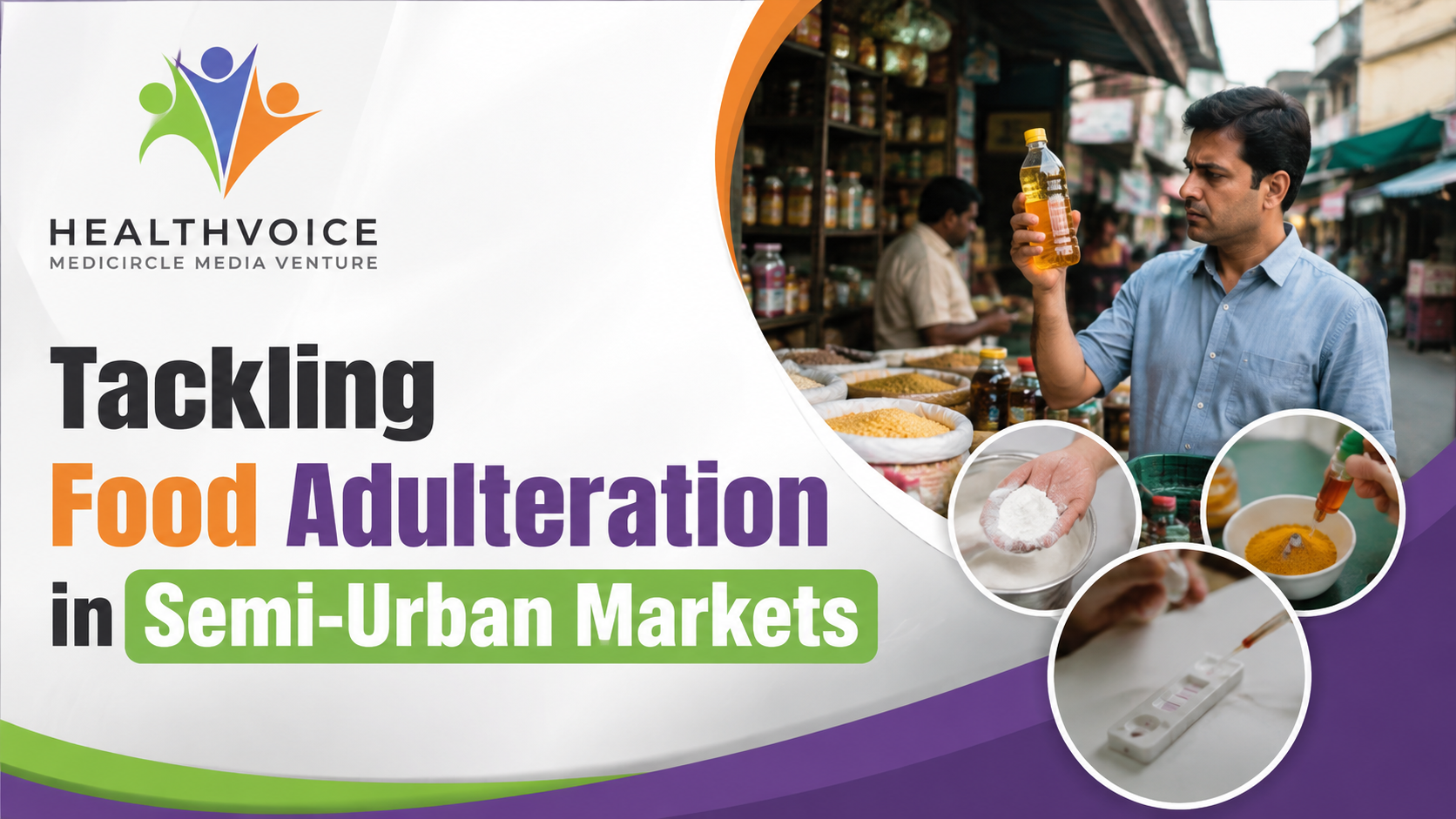
Food adulteration poses a significant public health threat, economic burden, and consumer rights challenge across emerging economies. While metropolitan retail chains and organized hypermarkets possess structured vendor compliance pipelines, semi-urban markets, weekly rural bazaars (haats), and unorganized street vendors often operate with minimal regulatory oversight.
In these transition zones, food products are frequently compromised by fraudulent practices: milk diluted with detergent and urea, spices adulterated with non-permitted synthetic dyes (e.g., Metanil Yellow or Sudan dyes), edible oils blended with argemone or cheap mineral oils, and vegetables coated with industrial copper sulfate or malachite green to mimic freshness.
Strengthening food adulteration semi-urban markets food safety enforcement requires upgrading local institutional capacities. By equipping Food Safety Officers (FSOs) with rapid on-site screening toolkits, mobile testing laboratories, digitized surveillance registries, and transparent legal prosecution frameworks, regulatory authorities can safeguard community health and restore market trust.
1. Common Adulterants and Public Health Risks in Semi-Urban Supply Chains
Adulteration patterns in semi-urban distribution hubs typically fall into two categories: intentional economic fraud and toxic chemical enhancement.
- Dairy Products (Milk, Paneer, Ghee): Dilution with contaminated water, stabilization with starch, and synthetic formulation using urea, caustic soda, refined oil, and detergents. Health Impact: Acute gastroenteritis, renal impairment, chronic endocrine disruption, and childhood malnutrition.
- Spices and Condiments (Turmeric, Chili Powder, Black Pepper): Adulteration of turmeric with carcinogenic azo dyes (Metanil Yellow, Lead Chromate), chili powder with brick dust or toxic Sudan I–IV red dyes, and black pepper with dried papaya seeds. Health Impact: Hepatotoxicity, heavy metal poisoning, neurodevelopmental toxicity, and gastrointestinal ulceration.
- Edible Oils and Fats (Mustard, Groundnut, Coconut Oil): Adulteration with toxic argemone oil, recycled frying oil, or unrefined mineral oil. Health Impact: Epidemic dropsy, cardiac failure, severe peripheral neuropathy, and carcinogenicity.
- Fresh Produce and Sweets: Artificial ripening of fruits using banned calcium carbide (releasing arsenic and phosphorus hydrides), dyeing green vegetables with malachite green, and decorating festival sweets with toxic non-silver foil (aluminum foil). Health Impact: Systemic toxicity, severe mucosal burns, and chronic carcinogenic exposure.
2. Structural Bottlenecks in Local Enforcement Ecosystems
Field-level enforcement in semi-urban jurisdictions frequently encounters systemic administrative and technical hurdles:
- Field Officer Shortages & Large Jurisdictions: A single Food Safety Officer (FSO) is often tasked with inspecting hundreds of square kilometers spanning thousands of unorganized food business operators (FBOs), leading to infrequent and reactive inspections.
- Testing Latency & Broken Cold Chains: Traditional regulatory sample testing relies on sending physical sealed jars to state public health laboratories located hundreds of kilometers away. Turnaround times often take 4 to 12 weeks, during which the adulterated commercial batch is entirely sold and consumed.
- Informal Market Fragmentation: High concentrations of unregistered micro-vendors, transient street food hawkers, and seasonal festival stalls make traceability and record maintenance difficult without digital registration systems.
- Evidentiary Gaps in Judicial Proceedings: Lack of standardized sampling kits and documented digital chains of custody frequently leads to procedural dismissals during legal adjudication under national food safety statutes.
3. Structural Comparison: Conventional Testing vs. Rapid Field Detection
Evaluating traditional laboratory testing workflows against modern point-of-sale rapid screening demonstrates how decentralized technology improves enforcement:
- Testing Venue: Conventional testing requires sending samples to centralized state or regional public food laboratories. Modern field workflows deploy Mobile Testing Vans (Food Safety on Wheels) and portable testing kits directly at the market stall.
- Turnaround Time: Conventional lab reporting requires 30 to 90 days for chemical and microbiological validation. Rapid field tests deliver preliminary colorimetric/strip screening results in 2 to 15 minutes.
- Operational Cost per Screen: Centralized testing requires high logistics, packaging, and reagent expenses. Rapid screening uses low-cost reagent strips, chemical test tubes, and portable spectroscopic scanners.
- Enforcement Impact: Conventional delays allow tainted inventory to clear the market before reports arrive. Rapid field testing enables immediate on-site seizure, stock embargoes, and corrective warning notices.
- Vendor & Consumer Engagement: Centralized testing remains opaque to consumers. On-site testing vans perform public live demonstrations, raising consumer awareness and deterring unethical vendors.
4. High-Performance Action Plan: 4-Phase Enforcement Modernization Roadmap
To build a resilient food safety enforcement infrastructure in semi-urban and tier-2/3 municipal clusters, food safety administrations can execute a structured four-phase roadmap:
- Conduct Universal Food Business Operator (FBO) Registration DrivesPhase 1: Vendor Mapping & Digital RegistrationOrganize decentralized registration camps in local grain markets, dairy collection centers, and street-food hubs. Issue instant digital registration certificates featuring QR codes linked to central licensing databases.
- Deploy Mobile Food Testing Vans & Rapid Analytical KitsPhase 2: Decentralized Rapid ScreeningEquip local municipal enforcement units with rapid testing kits (e.g., Magic Boxes, strip tests for starch/detergent, electronic oil testers) and schedule unannounced weekly market screenings.
- Implement GPS-Tagged Sample Ingestion & Lab TrackingPhase 3: Digital Surveillance & Chain of CustodyEquip Food Safety Officers with mobile inspection apps to capture GPS-tagged photos, log sample batch codes, and generate immutable digital inspection slips at the moment of sample collection.
- Establish Summary Adjudication Tribunals & Consumer RedressalPhase 4: Fast-Track Adjudication & Public ReportingDesignate dedicated administrative officers for fast-track hearings on sub-standard/misbranded offenses, publishing monthly enforcement dashboards to name non-compliant entities and deter repeat violators.
Actionable Strategy: Digital Governance & Public Health Alignment
- Maintain Epidemiological Linkages with Healthcare Networks: Link public food contamination alerts and municipal water-body quality reports directly to primary health clinics and community health centers—such as the ABHA ID (Ayushman Bharat Health Account) network. This enables primary care clinicians to track localized spikes in toxic gastroenteritis, heavy metal toxicities, and sudden-onset hepatic inflammation back to contaminated market batches.
- Verify Food Analyst & Safety Inspector Credentials via Academic Registries: Ensure food safety officers, accredited municipal laboratory analysts, and private compliance auditors hold recognized food science and toxicology certifications verified through national digital registries like the APAAR ID system within the Academic Bank of Credits (ABC) network.
- Deploy Consumer-Facing Mobile Verification Portals: Enable consumers to verify vendor licenses instantly via QR-code scans on stall signboards and provide a simple photo-upload reporting portal to submit suspected adulterated samples for local inspection squad follow-up.
Frequently Asked Questions (FAQs)
Q1. What is food adulteration?
Food adulteration is the intentional or accidental addition of inferior, unauthorized, or toxic substances to food, or the removal of valuable nutritional components, reducing food quality and endangering public health.
Q2. What are the most common foods adulterated in semi-urban markets?
The most commonly adulterated commodities include loose milk, paneer, loose edible mustard and vegetable oils, ground spices (turmeric, red chili), pulses (polished with synthetic dyes), and festival sweets.
Q3. How does rapid field testing help Food Safety Officers?
Rapid field test kits provide on-the-spot colorimetric or strip results in minutes, allowing inspectors to quickly identify suspicious batches, seize hazardous goods immediately, and prioritize genuine violations for formal confirmatory laboratory analysis.
Q4. What is the legal status of rapid screening test results?
Rapid screening tests serve as actionable presumptive evidence to justify stock seizure and administrative stop-sale orders. For formal criminal prosecution, statutory samples must still be confirmed by an accredited public food laboratory using validated analytical methodologies.
Q5. How does the presence of Lead Chromate in turmeric affect health?
Lead chromate is added to give low-grade turmeric a bright yellow color. It is highly toxic, causing chronic lead poisoning, irreversible cognitive impairment in children, anemia, kidney damage, and carcinogenic effects.
Q6. What is Epidemic Dropsy, and how is it caused?
Epidemic dropsy is an acute clinical syndrome characterized by severe bilateral limb edema, gastrointestinal distress, glaucoma, and cardiac failure. It is caused by consuming edible mustard or vegetable oil adulterated with toxic argemone oil containing sanguinarine.
Q7. How can consumers perform simple tests at home to detect starch in milk?
Consumers can boil a small sample of milk, allow it to cool, and add a few drops of standard iodine solution. The immediate appearance of a deep blue color indicates the presence of added starch.
Q8. What role do "Food Safety on Wheels" (mobile testing vans) play in rural markets?
Mobile testing vans are fully equipped mobile laboratories that visit semi-urban markets and rural fairs to conduct on-site testing of milk, fats, spices, and water, while simultaneously educating consumers and street vendors on hygiene standards.
Q9. Are small street food vendors legally required to register with food safety authorities?
Yes. Under modern food safety statutes (such as the FSSAI framework in India), all food business operators—regardless of scale, including temporary stall owners and street hawkers—must hold a basic valid registration certificate.
Q10. What penalties do food adulterators face under modern food safety laws?
Penalties range from substantial administrative fines for sub-standard or misbranded foods to heavy financial penalties and multi-year imprisonment (up to life imprisonment in cases resulting in grievous injury or death) for selling unsafe, toxic adulterated substances.
 Team Healthvoice
#FoodSafety #FoodAdulteration