The AI-Informed Patient: Communication Guide for Modern Medical Consultations (2026)
This article provides clinicians with communication strategies for consultations involving AI-informed patients while balancing empathy, evidence, and clinical judgement.
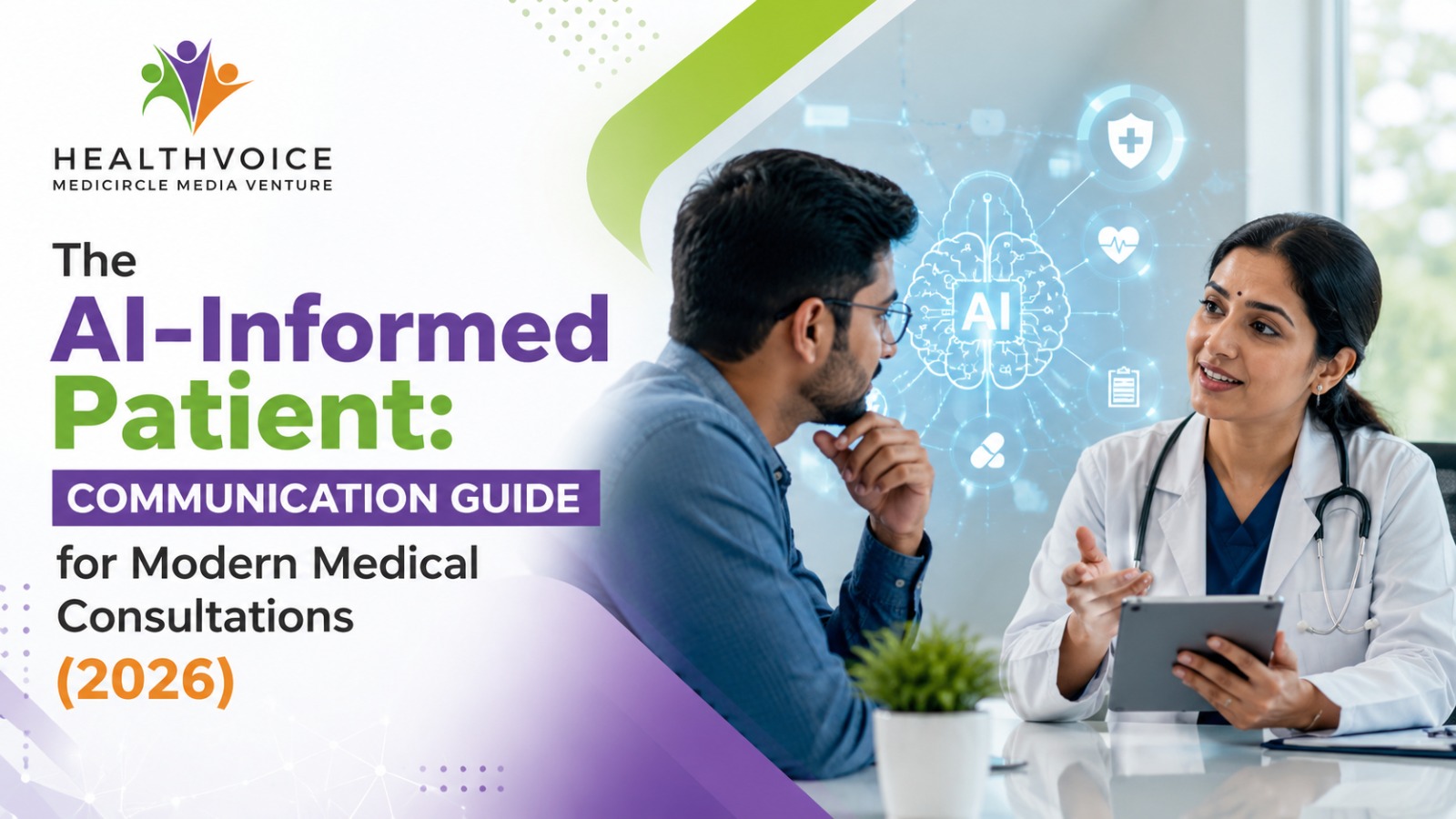
The AI-Informed Patient: A Clinical Communication Guide for Modern Consultations
How AI Is Changing the Doctor–Patient Conversation
More patients are arriving at medical appointments after consulting AI tools about their symptoms. Whether it's ChatGPT or another health chatbot, AI has become a common source of preliminary health information. The challenge for clinicians is no longer preventing patients from using AI—it is communicating effectively with patients who already have AI-generated opinions.
Recent surveys show that nearly one in four adults have used AI for health-related advice, with younger adults leading this trend. Most patients use AI to understand symptoms, medication side effects, possible diagnoses, and medical reports before or after visiting a doctor.
Why Patients Turn to AI Before Seeing a Doctor
Fast Answers and Better Understanding
Patients often use AI because it provides immediate information and helps them better understand their symptoms before seeking professional care.
Accessibility Challenges
Some patients rely on AI because healthcare is expensive, difficult to access, or because previous medical experiences left them feeling unheard. For many, AI fills an information gap—not a replacement for professional medical advice.
What AI Gets Right—and Where It Falls Short
Modern large language models can answer many medical knowledge questions accurately and even perform well in structured diagnostic studies. However, medicine is rarely straightforward.
AI cannot:
- Perform a physical examination.
- Interpret body language or emotional cues.
- Review subtle clinical findings.
- Understand a patient's complete medical history.
Because AI depends entirely on the information patients provide, incomplete or biased symptom descriptions can lead to misleading conclusions.
Communication Strategies for AI-Informed Patients
Acknowledge Before Correcting
When a patient mentions AI research, first acknowledge the effort behind it rather than immediately correcting the diagnosis. This builds trust and encourages open discussion.
Understand What the Patient Used
Ask which AI tool was used and what information was entered. This provides insight into both the patient's concerns and the quality of the AI-generated response.
Separate Possibilities from Diagnosis
Explain that AI usually provides possible causes rather than confirmed diagnoses. Reinforce that diagnosis requires clinical assessment, examination, and medical judgment.
Avoid Competing with AI
Instead of positioning yourself against AI, explain that AI provides information while clinicians provide context, examination, and individualized care.
When AI Is Correct
Sometimes patients arrive with an accurate understanding of their condition. In these situations, clinicians can validate the patient's preparation and focus on treatment planning, prognosis, and shared decision-making.
When AI Is Incorrect
If AI has produced an incorrect diagnosis, correct it with empathy rather than dismissal. Use examination findings and clinical reasoning to explain why another diagnosis is more likely.
Patients experiencing health anxiety may need reassurance alongside factual correction, as correcting the diagnosis alone may not resolve their concerns.
Managing AI-Driven Health Anxiety
Excessive online symptom searching can increase anxiety and reduce trust in healthcare professionals. Clinicians should recognize when AI has amplified fear and address both the medical issue and the emotional distress behind it.
Communication Across Different Age Groups
Younger Adults
Patients aged 18–35 often arrive with detailed AI conversations and expect collaborative discussions. They appreciate transparency and explanations behind clinical reasoning.
Older Adults
Older patients who consult AI are often motivated by fear, urgency, or previous negative healthcare experiences. Taking time to explore their concerns helps strengthen trust and improves communication.
Building Trust in the AI Era
Research suggests that most patients understand AI has limitations. They value its speed and accessibility but still seek professional medical advice for confirmation.
Rather than dismissing AI, clinicians should acknowledge its usefulness as an information tool while emphasizing the value of physical examination, clinical expertise, and personalized care.
Preparing Healthcare for AI-Informed Consultations
Medical communication training traditionally assumed patients entered consultations with limited medical knowledge. Today's clinicians increasingly encounter patients who already have AI-generated explanations before history-taking begins.
An effective communication framework includes:
- Acknowledge the patient's research.
- Explore what AI suggested.
- Clarify possibilities versus diagnosis.
- Add clinical context through examination.
- Address underlying concerns and anxiety.
As AI becomes a routine part of healthcare information-seeking, clinicians who communicate collaboratively rather than competitively will build stronger therapeutic relationships and improve patient outcomes.
 Team Healthvoice
#ClinicalCommunication #AIInHealthcare