The rise of digital health records in India
This article describes how India’s move from paper records to digital health systems empowers patients, strengthens continuity of care, improves efficiency for doctors and sets the foundation for a globally scalable health model.
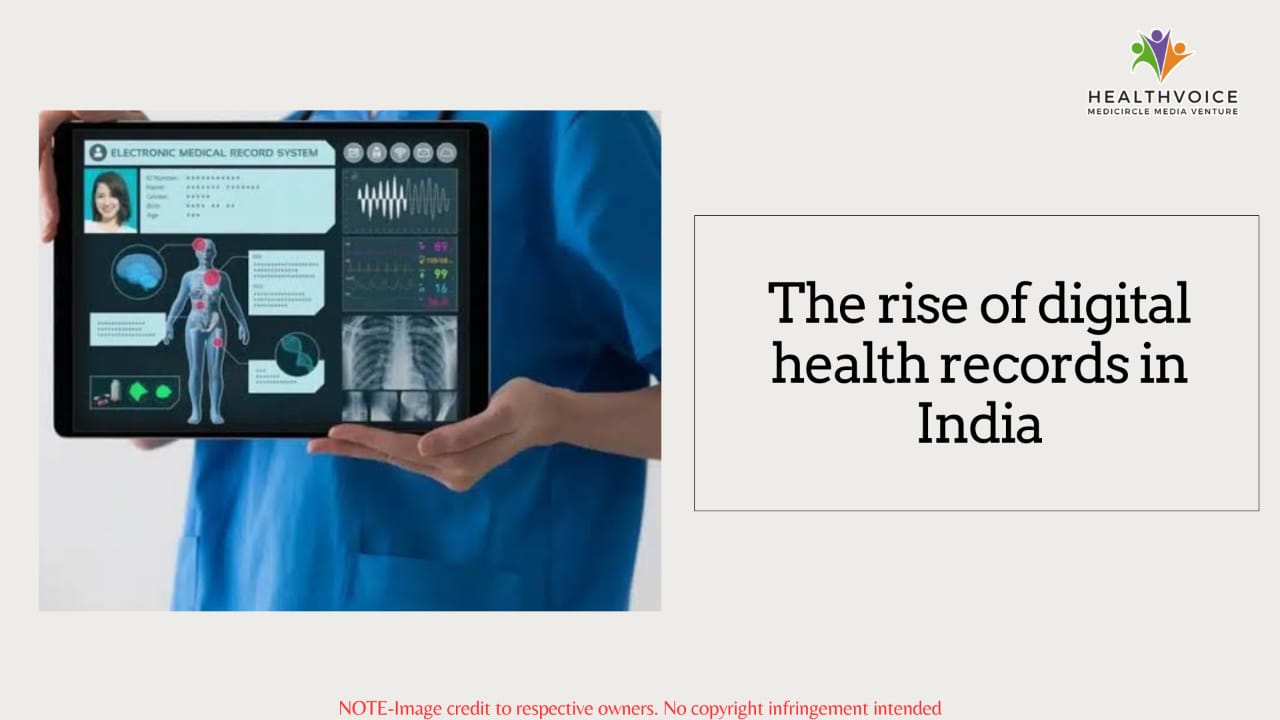
We all know the scene. The crinkled plastic bag, heavy with X-ray films and a thick file of papers. The frantic search for a missing lab report right before a doctor’s appointment. For generations, this was the reality of healthcare for millions in India; a fragile physical chain of medical history that was all too easy to break.
What if that familiar anxiety could become a thing of the past?
A significant shift is now underway across the country. The move towards digital health records is changing the game, not just for hospitals, but for every person who has ever struggled to keep their medical story straight. This is not merely about scanning papers into a computer. It is about building a healthcare system that is connected, efficient and most importantly, puts you at the center.
The ABDM story:
The journey began with India’s remarkable success in creating digital public goods. The widespread adoption of Aadhaar for identity and UPI for payments showed that the country was ready for a technology-driven leap. It was a natural progression to apply this same innovative spirit to healthcare, leading to the birth of the Ayushman Bharat Digital Mission or ABDM.
Think of ABDM as the architect of a new, interconnected health ecosystem. Before this, your medical information was often locked away in a single clinic’s filing cabinet. ABDM works to create a common language and a secure network that allows this information to travel with you, but only with your explicit consent. It ensures that a doctor in Delhi can access crucial information from your doctor in Chennai, if you permit it, leading to safer and more informed care.
A personal health key:
The most tangible element of this mission for you and me is the Ayushman Bharat Health Account or ABHA number. This is not just another number to remember. In simple terms, it is the key to your own digital health locker.
In the past, your medical records belonged to the hospital. With an ABHA linked digital health record, the power dynamics change. You become the custodian of your information. You get to create and manage a Personal Health Record on your phone, deciding which parts of your history to share when you visit a new specialist and which to keep private. This is the core of the revolution: you are in control.
Real-life impact:
This digital transition is more than a policy; it is creating practical, positive changes on the ground.
For patients and families:
No more story telling: How many times have you had to recite your entire medical history from memory? With connected digital records, your past treatments, known allergies and major reports are right there. This continuity means your doctor gets the full picture, leading to better care.
Healthcare in your living room: Platforms like eSanjeevani have shown the power of this connectivity, enabling millions of teleconsultations. This is a lifeline for those in smaller towns or for anyone seeking quick medical advice without travelling. Booking appointments and viewing lab reports online is becoming the new normal.
Becoming an active partner: When you have easy access to your own health data, you stop being a passive patient. You can track your health trends, understand your treatment plans better and have more meaningful conversations with your doctor.
For the doctors on the frontline:
The benefits are equally powerful for healthcare providers. A survey of doctors in India’s private hospitals revealed a strong desire for Electronic Medical Record systems. Why? Because it transforms their workflow.
Digital records mean less time spent deciphering handwritten notes and hunting for files and more time for actual patient interaction. They help reduce the chance of errors, such as prescribing a drug the patient is allergic to, because the complete history is clearly available. It is about making a doctor’s job more efficient and ultimately safer.
The roadblocks:
No transformation of this scale is without its challenges. Acknowledging them is the first step to finding solutions.
The digital divide remains: While cities enjoy high-speed internet, consistent connectivity in many rural and remote areas is still a hurdle. The quality of the network needs to match the ambition of the services. The answer lies in continued infrastructure investment and creating simpler applications that work smoothly even with slower internet speeds.
The critical question of privacy: As our most sensitive health information moves online, concerns about data security are natural and valid. The introduction of the Digital Personal Data Protection Act in 2023 is a foundational step. However, building lasting public trust will require transparent systems and demonstrably robust security measures that prove our data is in safe hands.
Getting everyone on board: Change can be daunting. Some hospitals are cautious about the cost and effort of upgrading their systems. Meanwhile, for many citizens navigating digital platforms requires a certain comfort with technology. States like Karnataka and Andhra Pradesh, which have seen early success, provide a blueprint for how to onboard both providers and the public by clearly demonstrating the benefits.
Looking ahead:
India’s foray into digital health is being watched closely around the world. The country’s unique combination of a vast, diverse population and proven technology expertise positions it as a potential global leader in creating scalable, affordable digital health solutions.
Initiatives like the Global Initiative on Digital Health, championed during India’s G20 presidency, highlight this ambition. The goal is to share the lessons learned in India to help other nations build their own digital health infrastructure, making quality healthcare more accessible worldwide.
Future built together:
The rise of digital health records in India, at its heart is a story of empowerment. It is about replacing that anxious clutch of a paper file with the quiet confidence of having your health story securely stored in your pocket. The path forward requires collaboration between the government, doctors, technology experts and an informed public.
This journey promises a future where healthcare is not defined by lost reports or forgotten details, but by seamless, continuous and personalized care. It is a future where your health history truly belongs to you. And that is a transformation worth embracing.
Have you started using a digital health record? We would love to hear about your experience. Connect with us at HealthVoice.in and share your story.
 Team Healthvoice
#DigitalHealth #HealthTech #HealthcareInnovation #ConnectedCare #Telemedicine #PatientCentricCare #DigitalTransformation #SmartHealthcare #HealthForAll #HealthcareReform #HealthcareAccessibility #DigitalIndia #HealthJourney #TechInHealthcare #HealthVoice
