Vaccine Equity: Lessons Learned from Recent Adult Vaccination Drives
The global population is aging at an unprecedented pace, marking a historic demographic shift in public health. With adults aged 65 and older now outnumbering children under five worldwide, healthcare systems must adapt to the growing demand for age-friendly, preventive, and long-term care strategies.
Vaccine Equity: Lessons Learned from Recent Adult Vaccination Drives
The global public health paradigm is adjusting to an inevitable demographic shift. According to data from the World Health Organization (WHO), the global population is aging at an unprecedented rate, with adults over the age of 65 now outnumbering children under five for the first time in history.
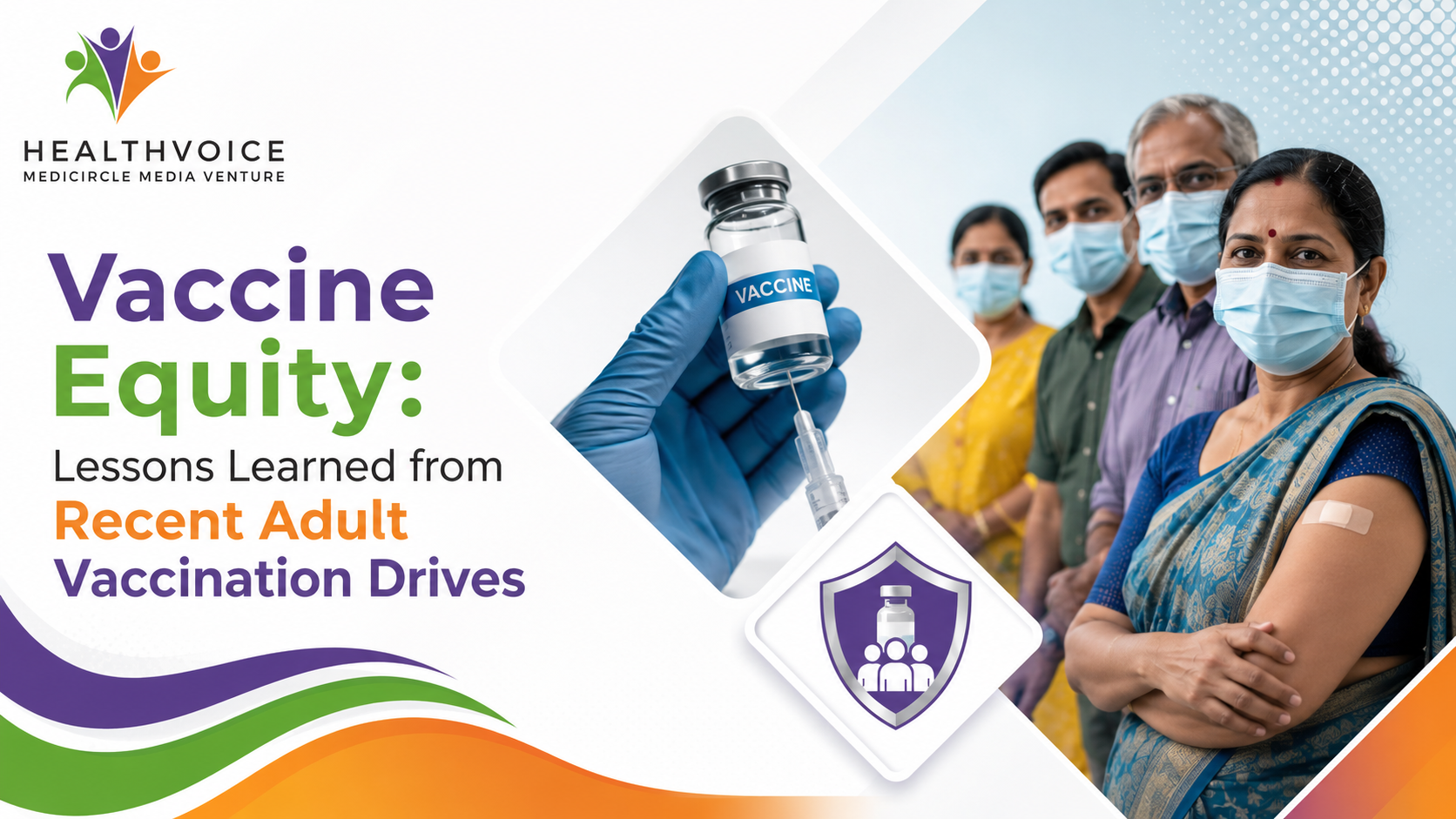
While pediatric vaccination networks have successfully saved millions of lives over past decades, adult immunization networks have historically been treated as secondary. Recent adult vaccination campaigns—spanning seasonal influenza, pneumococcal disease (PCV20), shingles (RZV), respiratory syncytial virus (RSV), and pandemic boosters—have highlighted a massive operational problem: vaccine inequity.
[ STRUCTURAL DISPARITY IN LIFE-COURSE IMMUNIZATION ] │ ┌──────────────────────────────┴──────────────────────────────┐ ▼ ▼ [ METROPOLITAN WELLNESS HUBS ] [ UNDERSERVED SEGMENTS ] • Private clinics with high copays • Rural, migratory, and daily-wage groups • Online-only registration portals • Language, scheduling, and clinic barriers • Abundant supply of advanced lines • Missing adult primary care nets • Result: Rapid protective stabilization • Result: High vulnerability hotspots
When a health system relies on standard pediatric infrastructure or passive, private-sector distribution to immunize an adult population, it fails to protect the most vulnerable groups. Lower-income individuals, minoritized populations, daily-wage laborers, and rural communities consistently experience lower vaccine uptake.
Addressing these health equity gaps requires analyzing recent campaigns, understanding that adult immunization is an excellent socioeconomic investment with an up to 19x return on investment (ROI), and building a flexible, proactive delivery blueprint.
1. Deconstructing the Structural Barriers to Adult Equity
Adults do not navigate public health frameworks the same way families do with children. Recent clinical surveys and global vaccine forums have pinpointed three core systemic barriers that prevent equal access:
[ THE TRIAD OF ADULT IMMUNIZATION ACCESSIBILITY ] Operational Friction ──► Fixed clinic hours that conflict directly with rigid blue-collar work shifts. Financial Gaps ──► Out-of-pocket costs for advanced adult formulas like shingles or RSV shots. Photic Distrust ──► Sophisticated misinformation targeting historical minority medical traumas.
- Operational and Spatial Friction: Unlike infants who have structured pediatric clinic timelines, working adults cannot easily sacrifice a day's wages to travel to a centralized municipal hospital. Inflexible clinical operational hours act as a direct barrier for the working poor.
- The Cost-Sharing Blind Spot: While child immunizations are heavily insulated by national public programs like India's Universal Immunisation Programme (UIP), adult therapeutics often require private insurance or high out-of-pocket cash payments. Advanced recombinant formulas are often priced out of reach for lower-income households.
- The Health Literacy Gap and Misinformation: Advanced multi-omics platforms and changing recommendations (such as shifting from older pneumococcal protocols to a single PCV20 dose) can cause patient confusion. This information vacuum is frequently filled by digital misinformation campaigns that target historically marginalized populations, causing vaccine hesitancy.
Comparative Matrix: Fragmented Adult Logistics vs. Equitable Life-Course Infrastructure
The matrix below contrasts the operational barriers of traditional adult health distribution with the strategic measures required to achieve genuine vaccine equity.
Health Delivery Vector
Fragmented Passive Distribution
Equitable Life-Course Infrastructure
Long-Term Public Health Edge
Clinic Access Design
Centralized metropolitan hospital nodes during daytime hours.
Decentralized pop-up centers inside transit hubs and workspaces.
Eliminates travel friction and preserves a worker's daily wages.
Financial Pathway
Opaque private billing or high out-of-pocket copays.
Universal integration into primary public insurance nets.
Removes financial barriers to guarantee access for low-income families.
Communication Engine
One-size-fits-all text ads using rigid institutional language.
Hyper-localized, native language toolkits via community peers.
Counters active digital misinformation and builds authentic clinical trust.
Data Architecture
Disconnected paper registers or isolated clinic logs.
Interoperable digital registries linked via patient health IDs.
Tracks under-immunized risk groups and maps systemic gaps early.
Clinical Activation
Relying on patients to proactively request adult formulas.
Opportunistic screening protocols at every adult clinic interaction.
Catches adults with comorbidities (e.g., diabetes, heart disease) early.
2. High-Performance Action Plan for Health Leaders and Clinical CIOs
To build a highly equitable, responsive adult immunization infrastructure that eliminates structural care gaps, healthcare directors, hospital boards, and public health officers must execute a multi-phase operational protocol:
- Execute a Geo-Targeted Social Determinants of Health (SDoH) AuditPhase 1Identify hidden vaccination gaps. Map regional electronic health records against socio-economic indices, transit lines, and primary languages to pinpoint under-immunized neighborhoods and trace vulnerable adult hotspots early.
- Deploy Opportunistic, Decentralized Delivery FrameworksPhase 2Bring protection directly to the patient. Embed mobile vaccination teams natively within adult daily environments—such as busy public transit lines, regional crop markets, and localized manufacturing plants—and train general practitioners to check vaccine eligibility at every routine health visit.
- Integrate Unified Digital Health Registries for Continuous TrackingPhase 3Ditch uncoordinated paper notes. Link your vaccination registry directly with national interoperable health networks, ensuring real-time tracking of adult doses, boosting patient safety, and allowing clinicians to run automated recall alerts across multiple sites.
Actionable Strategy: Your Institutional Governance Blueprint
- Link Vaccine Records Natively with the Universal ABHA Framework: Ensure your facility's frontend software logs adult immunization metrics cleanly through the Ayushman Bharat Digital Mission (ABDM) grid. Storing dose histories natively under a patient's digital health ID preserves their medical timeline, avoids duplicate testing, and ensures accurate data across distinct hospitals.
- Mobilize Peer-Led Vaccine Confidence Circles: Build trust within historically marginalized or hesitant communities by training local leaders, regional worker union heads, and community health activists (such as ASHAs and ANMs). Equipping these trusted voices with simple, native-language health literacy materials allows them to address safety concerns directly, dismantling misinformation at the grassroots level.
- Conduct Semi-Annual Quality Audits on Comorbidity Vaccination Rates: Bring your medical oncologists, endocrinologists, and cardiology leads together for a structured review. Audit your clinic logs twice a year to measure how many high-risk adults (such as individuals dealing with type-2 diabetes, chronic kidney disease, or advanced cardiovascular conditions) have received essential flu and pneumococcal protections.
Frequently Asked Questions (FAQs)
Q1. Why is vaccine equity specifically a critical issue within adult immunization drives?
Adult immunizations frequently lack the centralized public funding, mandatory school enrollment checks, and clear national infrastructure that support pediatric programs. This causes adult distribution to rely heavily on private out-of-pocket spending, creating a disparity where lower-income families are left exposed.
Q2. How do rigid working hours create an accessibility barrier for adult populations?
Unlike pediatric care, where parents consciously prioritize scheduling wellness visits, low-income hourly workers and daily-wage laborers face immediate financial penalties if they take time off. Fixed daytime clinic hours force a choice between a day's household income and preventative healthcare.
Q3. What is an "opportunistic vaccination strategy," and how does it improve equity?
An opportunistic strategy involves reviewing a patient's immunization history whenever they interact with the healthcare system for any reason—such as an annual diabetes check-up, an eye exam, or an emergency room visit for a minor sprain—allowing clinicians to administer missing doses immediately.
Q4. How does the single-dose PCV20 vaccine update streamline adult clinical logistics?
Older pneumococcal vaccination protocols required a complex, multi-stage scheduling pattern using two separate formulas (PCV13 and PPSV23) months apart, which caused a high patient drop-out rate. The updated single-dose PCV20 system provides comprehensive coverage in one visit, lowering follow-up friction.
Q5. Why does digital misinformation disproportionately affect minoritized or vulnerable adult groups?
Misinformation campaigns frequently target deep-seated, historical institutional trust gaps or past medical traumas within minority populations. When public health networks rely on passive, text-heavy communication lines, false narratives can easily spread across digital platforms to fuel vaccine hesitancy.
Q6. What economic return does a healthcare facility generate by expanding adult immunization?
Robust benefit-cost analyses show that adult programs for influenza, RSV, shingles, and pneumococcal disease deliver exceptional societal returns, showing an ROI ranging from 5 to 19 times the initial investment by reducing hospitalizations, preserving labor productivity, and lowering long-term care costs.
Q7. How does linking vaccine logs via a digital health ID help lower public health costs?
Storing records under a single, interoperable digital health account ensures that a patient's lifetime vaccination history travels with them across clinics, hospitals, and state borders, completely eliminating expensive, redundant re-vaccinations and streamlining automated screening.
Q8. What parameters are actively monitored on a 360-degree adult health equity scorecard?
A holistic equity scorecard tracks data past simple delivery numbers, cross-referencing vaccination coverage across distinct income brackets, geographic access distances, comorbidity status codes, native language accessibility indices, and public-to-private distribution ratios.
Q9. How long does it typically take to see a stabilizing trend in community uptake using these guidelines?
When a healthcare network moves past passive delivery to deploy mobile pop-up clinics, launch localized peer education programs, and activate automated electronic reminders, the cultural return is rapid. You can observe a distinct rise in vaccination rates and improved community trust within 4 to 6 weeks of active execution.
Q10. What actions should a municipal health director take if an adult disease outbreak spikes?
The response must be prompt and data-driven: immediately establish free, walk-in night clinics inside the impacted neighborhoods to remove scheduling barriers, deploy mobile health vans to distribute vaccine supplies directly to high-traffic local transit hubs, and partner with local community groups to push out trusted, native-language health safety messaging.
 Team Healthvoice
#VaccineEquity #AdultImmunization