Adapting clinical practice to system realities
Indian clinicians must adapt global medical standards to fit local resource constraints. By embracing frugal innovation, cultural empathy, and peer collaboration, doctors can overcome systemic hurdles to provide resilient healthcare.
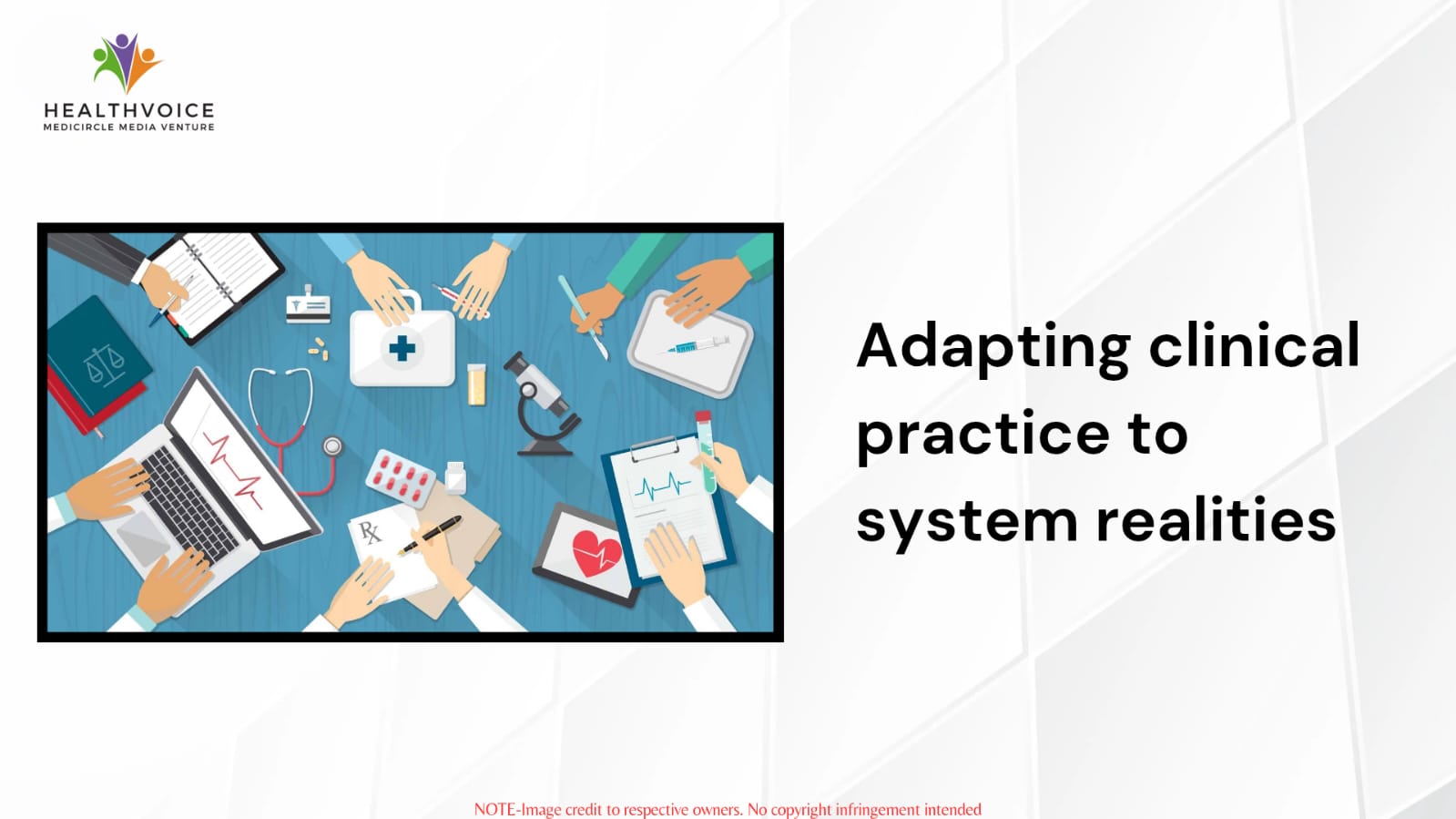
The life of a healthcare professional in India represents a study in sharp contradictions. The medical landscape currently experiences a remarkable surge in high technology advancements. These range from diagnostics enhanced by artificial intelligence to precision robotic surgeries in urban centers. However, the daily reality for the average clinician remains far more grounded. Most doctors operate in high velocity environments while balancing massive patient volumes with limited resources. They also face an ever growing pile of administrative paperwork. This burden can feel just as demanding as the actual clinical work.
For the modern Indian doctor, clinical excellence is not only about memorizing international journals. It is also not just about following global gold standards. True success lies in the art of adaptation. It involves taking high level theories and reshaping them to fit practical ground realities. Our national healthcare system is often unique and unpredictable.
Beyond The Textbook:
Medical school equips practitioners with a deep understanding of human biology and disease. However, the ideal cases found in textbooks rarely account for the organized chaos of a local outpatient department. In a bustling clinic or a government hospital, a doctor might consult with scores of patients in a single shift. In these high pressure settings, following a rigid diagnostic checklist for every single visitor is not just difficult. It is often entirely impossible for the physician.
Adapting to these realities requires a sharp and honed clinical intuition. Experienced practitioners learn to spot red flags and prioritize urgent needs within the first few minutes of a consultation. This approach is not about rushing care to save time. It is about optimizing it for the best results. It is the ability to provide high quality attention to those who need it most. This must happen while navigating the constraints of time and infrastructure that define our current system.
Practical Innovation Power:
Innovation in India does not always come from a laboratory setting. Often, it comes from the necessity of doing more with fewer resources. While other regions might focus on the most expensive new equipment, Indian healthcare often thrives on frugal innovation. This involves finding clever and cost effective ways to deliver excellent outcomes for all patients.
We see this clearly in the rise of telemedicine services. These connect remote villages to top tier urban specialists with ease. We also see it in the adoption of streamlined digital tools like the Ayushman Bharat Digital Mission. When digital record keeping is performed correctly, it eliminates redundant tests. It also clears the path for the patient and doctor relationship. For technology to truly work in our context, it must be an assistant. It should reduce busy work rather than acting as an extra burden that leads to professional burnout.
Cultural Family Dynamics:
Healthcare in India is rarely a solo journey for the individual. It is almost always a collective family experience. A treatment plan is only successful if it accounts for the socioeconomic situation and cultural background of the patient. This remains true no matter how scientifically sound the plan might appear on paper. If a patient cannot afford a specific brand of medicine, the plan will likely fail. The same is true if their local diet conflicts with strict clinical requirements.
The most effective doctors often act as vital bridge builders. They translate medical jargon into regional dialects for better understanding. They also patiently debunk long standing health myths that persist in society. One example is the idea that specific chronic diseases only affect certain age groups. By listening to practical concerns about cost and lifestyle, a doctor becomes more than a prescriber. They become a trusted partner in the long term health of the patient.
Essential Peer Support:
The era of the lone wolf doctor is quickly coming to an end. The sheer emotional and physical weight of practicing in a high volume system can lead to severe burnout. This is especially true if the challenges are managed in total isolation. This is why professional communities and digital platforms have become so vital for modern practitioners.
When a doctor in a smaller city shares how they managed a supply shortage, the entire community gains knowledge. A specialist might also discuss a more efficient way to implement a new medical protocol. Sharing these on the ground insights is a clinical necessity for everyone. It turns individual struggles into collective intelligence. This makes the entire healthcare framework more resilient against future challenges.
Sustainable Path Forward:
The hurdles within the Indian healthcare system are significant. However, they also foster a unique brand of professional resilience among staff. The future of medicine in our country lies in a balanced middle ground. This is a place where we respect scientific rigor but remain flexible enough to address local realities.
By focusing on smart technology and empathetic communication, we can create a better system. A strong network of peer support will ensure this system works for everyone. Medicine is not a static set of rules to be followed blindly. It is a living practice that must evolve alongside the people it serves. As we refine our ability to adapt, we move closer to a superior healthcare model. This model will be both world class and accessible to every citizen in the nation.
 Team Healthvoice
#MedicalPractice #IndianHealthcare #ClinicalExcellence #DigitalHealth #AyushmanBharat #HealthcareLeadership #PhysicianLife #MedicalCommunity #DoctorSupport #healthvoice
