Beyond the Lecture Hall: How India is Training the Next Generation of Doctors
India is shifting from traditional didactic lectures to Case Based Learning. This transformation aims to bridge the gap between textbook theory and real world clinical practice for doctors.
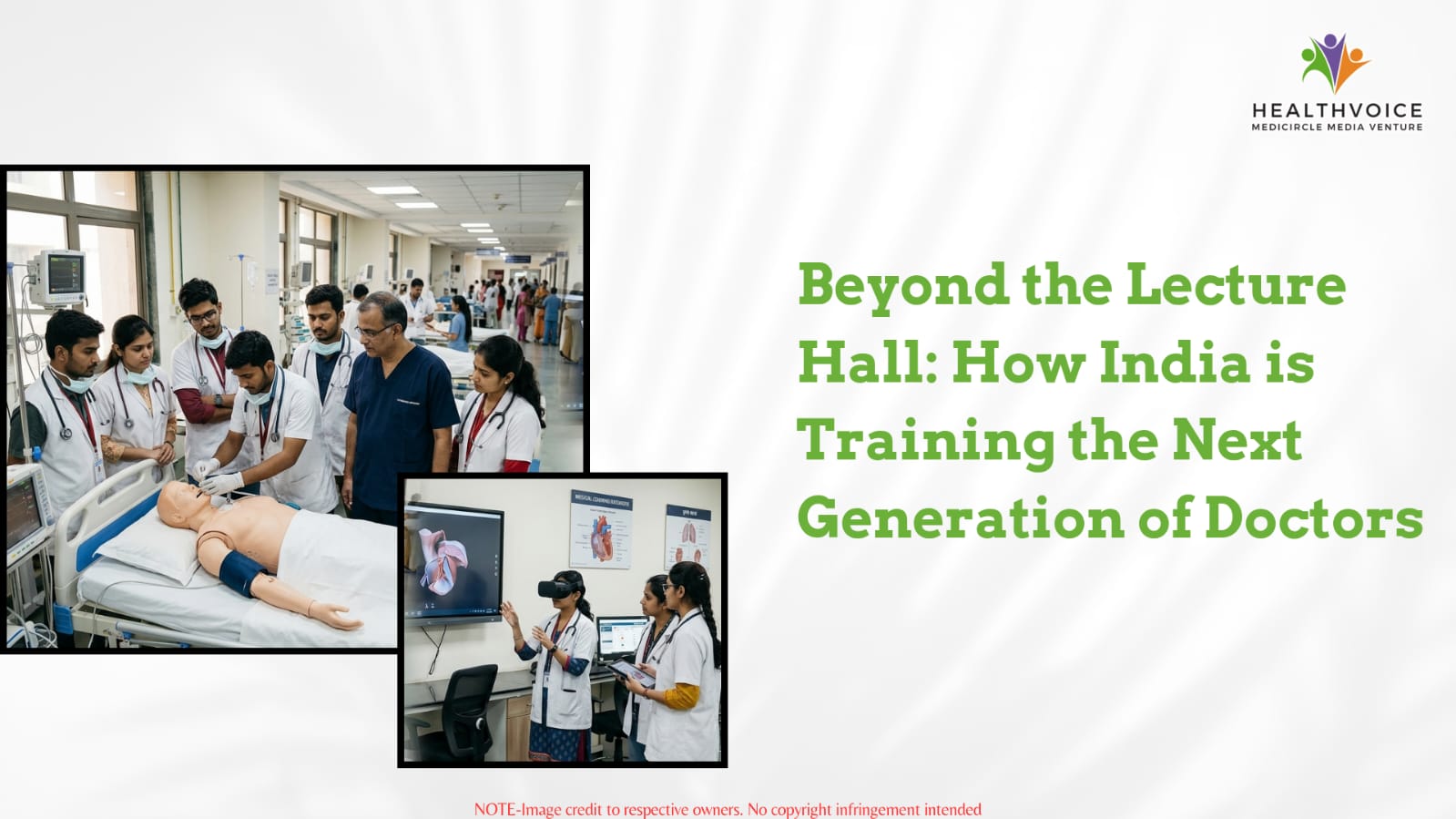
The landscape of medical education in India is currently undergoing its most significant overhaul in decades. For years, the gold standard of learning was the didactic model. This involved rows of students in a quiet hall while a professor delivered a detailed lecture from the front of the room. This method has built the foundation for thousands of successful physicians. However, as the demands on our healthcare system grow more complex, the way we train our healers is changing. We are moving toward a more dynamic and problem solving approach known as Case Based Learning.
Traditional Lecture Roles:
To understand where we are going, we have to appreciate where we started. Traditional didactic teaching is essentially an efficient knowledge dump. In a country like India, where medical syllabi are famously heavy with foundational subjects, the lecture remains a powerful tool. It allows an expert to pass a massive volume of structured information to hundreds of students at once.
This theoretical groundwork is vital for success. You cannot treat a heart condition without first understanding every valve and chamber of the cardiac system. However, the downside to this one way flow of information is that it can be passive. Students may become walking encyclopedias of medical facts but find themselves uncertain when a real person walks into their clinic. The challenge is turning that textbook knowledge into clinical wisdom.
Case Based Learning:
Case Based Learning changes the rhythm of the classroom. Instead of starting with a list of symptoms to memorize, students start with a patient story. They might be introduced to a local shopkeeper dealing with sudden dizziness or a young mother with a persistent cough.
In this setting, the professor steps away from the podium and becomes a guide. Students work in smaller groups to peel back the layers of the case. They debate possible diagnoses and discuss the best treatment plans. This method forces students to think like doctors from day one. It encourages clinical reasoning, which is the ability to filter through a patient life and symptoms to find the true cause of their ailment.
The Indian Context:
One of the biggest advantages of shifting toward case based education is the ability to ground medical training in the unique realities of Indian life. Our doctors do not just treat diseases. They treat people living in specific cultural, economic, and geographic conditions.
A textbook might explain nutrition in general terms, but a case study can explore how to manage health within the constraints of a specific regional diet. In many parts of India, a doctor must decide which tests are absolutely essential for a family with limited finances. This curriculum allows students to practice these ethical and practical decisions before they enter the workforce. By analyzing real world scenarios, students learn how to explain complex medical issues in simple terms.
Hurdles of Change:
Updating the way we teach is no small task. Transitioning away from a lecture only culture requires a massive shift in mindset for both faculty and students. It demands more time and more specialized training for educators. It also requires a higher level of daily preparation from the students themselves.
The National Medical Commission has been a driving force in this transition. They are pushing for a competency based curriculum that prioritizes hands on skills. While it will take time to fully equip every medical college with resources, the momentum is moving in the right direction.
A Human Future:
The future of Indian medical education is not about choosing one method over the other. It is about finding the perfect blend for everyone. The most effective curriculum uses traditional lectures to build a strong theoretical floor. It then uses case based sessions to build the walls of clinical experience.
When a student learns about a disease in the morning and spends the afternoon figuring out how to treat a patient, the knowledge becomes permanent. It transforms from a fact to be memorized into a tool to be used. This balance will produce doctors who are not only brilliant scientists but also empathetic problem solvers. This shift reflects a commitment to a medical fraternity that is ready for the reality of human health.
 Team Healthvoice
#HealthcareInnovation #ClinicalTraining #healthvoice