Emergency Care Infrastructure Gaps in Semi-Urban India
Semi-urban India faces a critical shortage of emergency infrastructure, specialized manpower, and advanced ambulances. Bridging this gap through technology and local trauma centers is essential to ensure healthcare equality for everyone.
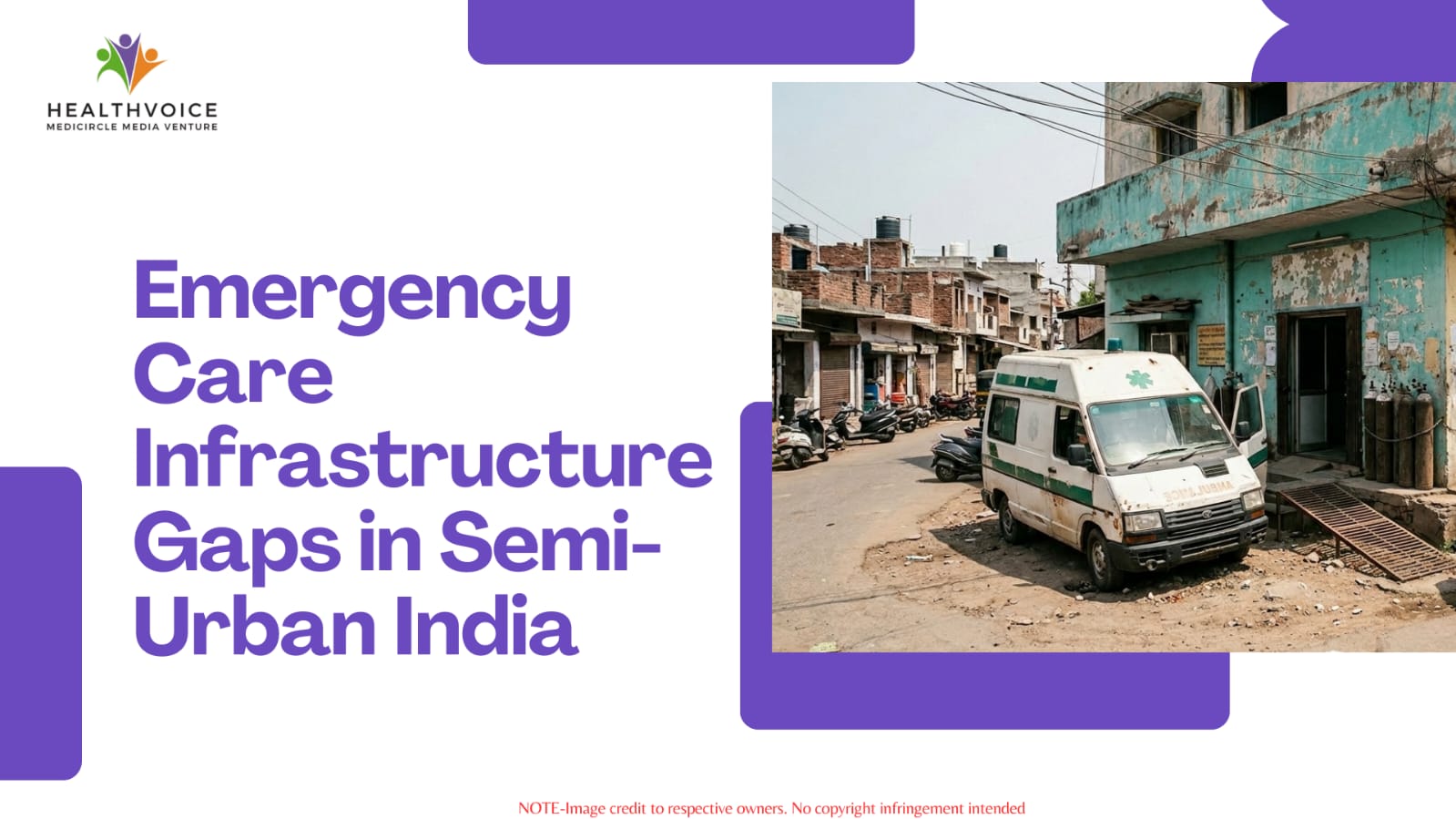
Within the bustling hearts of Indian metropolitan cities, a medical emergency usually triggers a sophisticated and rapid response. Even with the persistent challenge of heavy traffic, residents benefit from a visible safety net of Advanced Life Support ambulances and specialized trauma centers located within a short distance. However, the situation changes dramatically for individuals residing in the rapidly developing Tier-2 and Tier-3 towns that form the semi-urban backbone of the nation. In these expanding regions, the critical window known as the Golden Hour is frequently lost because the essential medical infrastructure has simply not arrived yet.
As smaller cities continue to grow economically, the local healthcare systems are finding it difficult to maintain the necessary pace of development. This creates a significant security gap for millions of families who contribute to the national economy but lack access to life-saving interventions when every second is vital.
The Proximity Illusion:
There is a frequent misunderstanding among residents that living near a growing town automatically ensures medical safety. Many families place their trust in local private clinics or small district hospitals, assuming these facilities are capable of handling any crisis that arises. While such centers provide essential services for routine healthcare and minor surgeries, they are rarely prepared for high-stakes emergencies such as acute cardiac arrest, severe strokes, or complex trauma resulting from highway accidents.
Most semi-urban casualty wards function as general intake areas rather than specialized emergency rooms equipped for high-intensity care. Without a robust system for triaging patients based on the urgency of their condition, precious time is often wasted on administrative tasks. Consequently, the window of survival for a critical patient slowly closes while they wait for basic assessments.
Advanced Medical Transport:
In any true medical emergency, the hospital visit represents only the second half of the survival story. The first half occurs on the road during the initial transport phase. In many semi-urban parts of India, ambulances are still viewed primarily as simple transport vehicles rather than mobile treatment units. Effective pre-hospital care requires an intensive care unit on wheels that features trained paramedics and automated external defibrillators.
For a patient located in a smaller town, the journey to a specialized city hospital can often exceed one hour. If the ambulance lacks the equipment needed for stabilization, it becomes a mere spectator to a deteriorating condition instead of an active participant in the recovery. Expanding the availability of advanced life support vehicles is an urgent requirement to reduce the number of avoidable deaths in these regions.
Specialized Workforce Needs:
Medical equipment is only effective when it is operated by highly skilled hands. Although India is known for producing world-class medical professionals, most specialists in emergency medicine tend to remain in metropolitan areas. In semi-urban hospitals, specialized care often relies on an on-call system where doctors are not physically present at the facility during the night.
If a neurological emergency occurs at midnight, a hospital might possess the necessary scanning technology, but the neurologist may require thirty minutes to travel from home to the ward. This delay can lead to catastrophic outcomes for the patient. True emergency care necessitates a permanent onsite team that is specifically trained in trauma care and capable of making immediate decisions without waiting for outside help.
Digital Health Solutions:
While the physical infrastructure gap remains wide, modern technology offers a promising bridge to connect these divided systems. Tele-emergency services are beginning to transform the landscape by linking small-town doctors with veteran trauma specialists in large cities through real-time video feeds. This hub and spoke model allows a local medical officer to perform complex stabilization procedures under the direct guidance of an expert located many kilometers away.
Beyond the walls of the hospital, community empowerment plays a vital role in the chain of survival. Training local police officers, shopkeepers, and residents in basic life support techniques can create a human safety net within the neighborhood. In many instances, these informed citizens are the only individuals available to help until a professional medical team can reach the scene.
Future Healthcare Equality:
The progress of the Indian healthcare system cannot be limited to the largest cities alone. The nation requires a framework where the geographic location of a person does not dictate their probability of surviving a heart attack. This goal requires a significant shift in how the government and private sector prioritize healthcare investments in Tier-2 and Tier-3 locations.
At HealthVoice, we believe that every citizen deserves a fair chance during a medical crisis. By identifying these systemic gaps and advocating for better local infrastructure, we can work toward a future where the Golden Hour is a promise of survival for everyone. Proper emergency care is a fundamental necessity that should be accessible in every corner of the country.
 Team Healthvoice
#Healthcare #PublicHealth #EmergencyMedicine #HealthCareAccess #HealthInfrastructure #HealthEquity #HealthcareInnovation #MedicalEmergency #EmergencyCare #HealthcareReform #HealthPolicy #DigitalHealth #Telemedicine #healthvoice
