Social Media Conduct Guidelines for Doctors
This article outlines ethical social media conduct for Indian doctors, emphasizing education over promotion, patient privacy, and professionalism to maintain public trust while adhering to National Medical Commission regulations.
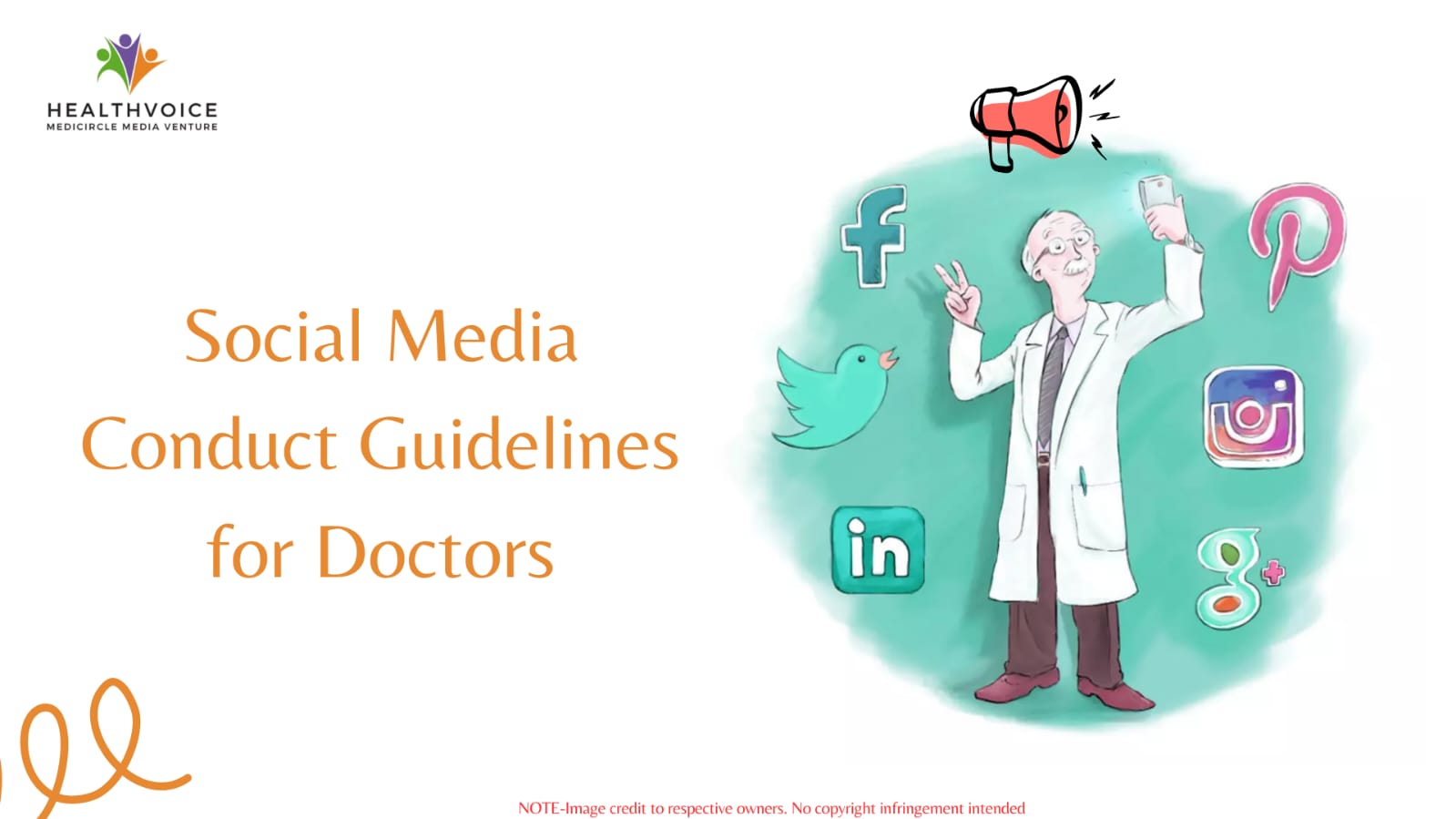
The healthcare landscape in India is currently experiencing a massive digital shift. It is no longer unusual for a patient in a small town to vet the Instagram profile of a surgeon before booking an appointment. For many doctors, social media has evolved from a personal pastime into a vital tool for public health advocacy and professional outreach. While the digital world offers a unique bridge to the community, it also introduces a new set of ethical hurdles.
To help clinicians navigate this space, the National Medical Commission has laid out specific regulations. These rules are not meant to silence medical professionals. Rather, they serve to protect the integrity of the profession and the sacred trust patients place in their healers. For any Registered Medical Practitioner, staying compliant is just as important as staying connected.
Educate Not Sell:
The fundamental rule for any doctor online is simple and requires prioritizing public education over self-promotion. The commission encourages sharing verifiable, science-based information that helps people live healthier lives. For example, an endocrinologist posting about the early signs of diabetes or the benefits of a balanced diet provides a genuine service to the public. This approach naturally builds authority and trust without crossing ethical lines.
On the flip side, social media should never be used as a billboard for soliciting patients. Tactics like offering limited discounts on procedures or calling oneself the top specialist in the city are strictly prohibited. In medicine, your merit is measured by your clinical expertise and patient care, not by marketing strategies that treat healthcare like a retail commodity.
Protect Patient Privacy:
Confidentiality is the cornerstone of medical practice, and it is easily compromised in the digital rush for content. The guidelines are explicit and state that doctors must never post identifiable patient information, such as names, clear photos, or diagnostic scans, on social platforms. Even if a patient gives their verbal or written consent, the internet is permanent. Once a sensitive image is uploaded, the doctor loses control over how that data is used or shared.
Furthermore, before and after photos are generally off-limits. While they might seem like a way to showcase surgical skill, they can inadvertently promise specific results to future patients. Every human body reacts differently to treatment. To stay safe and ethical, it is better to use medical illustrations or anatomical models to explain how a surgery works rather than using a real medical journey as a case study.
Maintain Professional Decorum:
As a doctor, your online persona is an extension of your white coat. This means maintaining a high level of decorum in every comment and post. The internet can be a volatile place, but it is crucial to avoid public disputes, especially with fellow practitioners. Disparaging the work of a colleague or engaging in comment section wars does not just look bad for the individual. It diminishes the respect of the public for the entire medical community.
It is also vital to remember that a direct message is not a consultation room. If a follower asks for a specific prescription or medical advice for an ailment, the only professional response is to direct them toward a formal clinic visit or a secure telemedicine platform. Offering specific medical orders on a public forum is a major medico-legal liability and risks the safety of the patient.
Avoid Vanity Metrics:
In an era of viral trends, the pressure to gain followers and likes can be intense. However, the commission forbids artificial growth shortcuts. This includes paying for higher search engine visibility, buying fake followers, or using third-party apps that promise to guarantee patient leads for a fee.
The success of a doctor is not defined by an engagement algorithm. Authenticity is far more valuable. By focusing on organic growth and sharing high-quality advice on issues that matter to Indians, such as seasonal flu prevention or managing chronic heart health, you build a community based on reliability. This kind of influence is sustainable and respects the dignity of the profession.
Navigate Patient Reviews:
In most businesses, positive reviews are a badge of honor. In the medical world, however, the 2023 guidelines prohibit doctors from soliciting or showcasing patient testimonials on their own pages.
The logic is rooted in patient safety because medical outcomes are never guaranteed. A glowing testimonial from one patient might lead another to believe they will have the exact same experience, which is often not the case. While you cannot prevent a patient from leaving a review on an independent site, you should not use those reviews as promotional tools on your own social media handles.
Integrity beyond Clinics:
Stepping into the digital arena requires a new set of skills, but the underlying values remain the same. The ethics of the consultation room, including empathy, honesty, and privacy, must be the same ethics you carry into your digital life.
At HealthVoice, we believe that when doctors use their platforms to provide clear, honest, and ethical information, the whole country benefits. By adhering to the official guidelines, you are not just protecting your license. You are reinforcing the bridge of trust between the medical fraternity and the Indian public. The goal is not to be an influencer. It is to be a voice of reason in a noisy digital world.
 Team Healthvoice
#HealthcareInIndia #MedicalEthics #DigitalHealth #DoctorsOnSocialMedia #HealthCommunication #MedicalProfession #DoctorResponsibility #PatientTrust #EthicalMedicine #HealthEducation #PublicHealthAwareness #MedicalGuidelines #HealthcareLeadership #ResponsibleHealthcare #PatientPrivacy #DoctorPatientRelationship #EvidenceBasedMedicine #HealthLiteracy #healthvoice
