Breaking Bad News: Structured Protocols for Indian Clinical Practice
This article explores structured protocols like SPIKES to deliver difficult medical news in India. By prioritizing empathy and clear communication, clinicians can improve patient outcomes and preserve human dignity.
Delivering life-altering medical information is arguably the most grueling part of being a healthcare provider. It is a moment where clinical expertise meets raw human vulnerability. In India, this task is particularly layered because we operate in high pressure environments where waiting rooms are packed. The patient is rarely just one person but an entire concerned family unit.
While many clinicians rely on their gut instinct to handle these moments, the reality is that intuition can sometimes falter under stress. Sharing a difficult diagnosis is not just about the facts; it is about how those facts are felt. When done with structure and heart, these conversations can actually improve the mental health of a patient. They make individuals more likely to follow treatment plans and they solidify the bond of trust between the doctor and the community.
Indian Medical Culture:
In Western models, the focus is often strictly on the individual. In India, however, healthcare is a collective experience. It is very common for family members to step in as protectors. Sometimes they even pull a doctor aside to ask that the full truth be hidden from the patient to prevent a breakdown. This places the physician in a delicate spot. One must respect the family wishes while upholding the right of the patient to their own health story.
Furthermore, bad news in our context carries a heavy financial weight. With a large portion of healthcare costs paid out of pocket, a diagnosis of a chronic illness is not just a health crisis. It is a family financial crisis. A doctor must navigate these practical anxieties alongside the medical ones. This requires moving beyond complex terminology to address the real world impact on the household.
The SPIKES Approach:
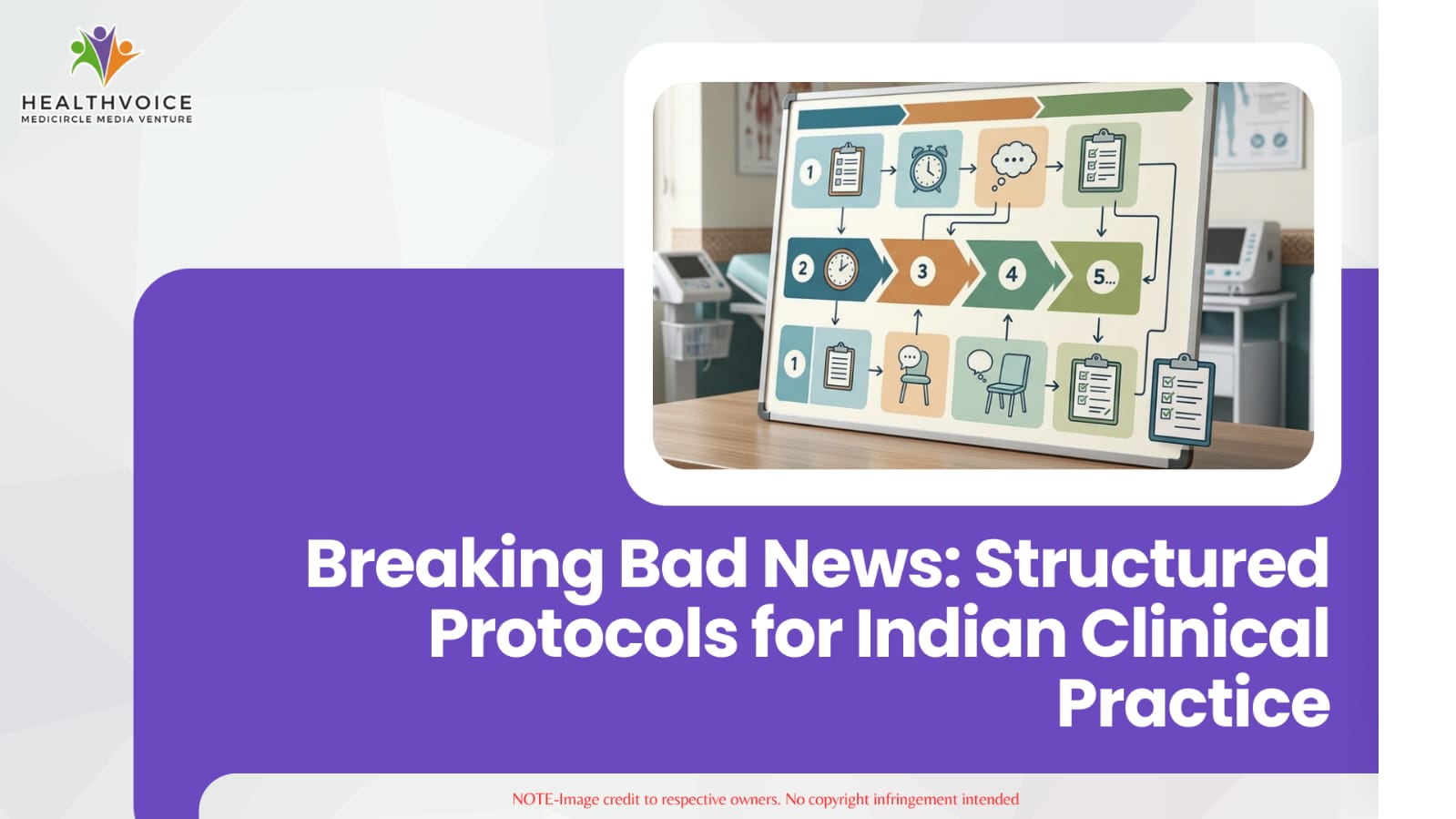
To manage these complexities, many experts recommend the SPIKES (Setting, Perception, Invitation, Knowledge, Empathy/Emotions, and Summary/Strategy) protocol. It acts as a mental checklist to ensure the person across from you feels seen and supported.
- Create Right Environment:
Even in a crowded government hospital or a bustling private clinic, the setting matters. Finding a spot where you are not interrupted is the first goal. Sitting down is a small gesture that carries massive weight. It tells the patient that you are here with them and you are not rushing to the next ward.
- Understand Their Perspective:
Before you explain the details, find out what they already know. Asking a simple question like what they have been told about their symptoms so far allows you to see the world through their eyes. It reveals if they are currently in denial or if they have been misinformed by the internet.
- Seek an Invitation:
Not everyone wants the full technical breakdown immediately. Some people prefer the big picture while others want to see every line of the pathology report. By asking how much detail they are ready for, you give them back a sense of agency at a time when they feel they have lost control over their own body.
- Communicate With Clarity:
This is the moment to put away the heavy medical textbooks. Use simple and everyday language. It helps to provide a warning shot to give them a moment to brace themselves. Speak in small bits and check in often to see if they are following you.
- Connect With Empathy:
When the news hits, the reaction may be tears, stunned silence, or even disbelief. The natural reflex for a busy doctor is to offer more facts to fix the silence. Resist that urge. Instead, acknowledge the emotion. Saying that you can see how much of a shock this is validates their pain. Sometimes, a sympathetic silence is the most powerful medicine you can offer.
- Build Path Forward:
The hardest part for a patient is leaving the room feeling like they are standing on the edge of a cliff. Always conclude with a clear plan. Summarize the next steps, whether it is a follow-up appointment or a new medication. When a patient walks out with a strategy, the news feels less like a dead end.
The Time Crunch Myth:
The most frequent pushback regarding these protocols is that there is simply not enough time in a typical Indian clinic. However, the opposite is actually true. Spending twenty focused and empathetic minutes at the start prevents hours of future confusion.
When a family feels dismissed or confused, they are more likely to seek second opinions needlessly. They might struggle with treatment adherence or harbor resentment that leads to legal disputes. A structured conversation is an investment that pays off in smoother transitions and a more peaceful clinical environment.
Healing Without Cure:
As medicine becomes more digitized and automated, the human connection becomes our most valuable tool. Breaking bad news is a clinical skill that can be studied and perfected. For Indian healthcare providers, it is about moving from being a transmitter of data to a partner in care.
By leading with empathy and using a clear roadmap, we do more than just deliver a diagnosis. We preserve the dignity of the patient. Even when a condition cannot be cured, the patient can still be healed through the power of a compassionate and honest conversation.
 Team Healthvoice
#MedicalEthics #PatientCenteredCare #healthvoice