Can Stress Cause Physical Health Problems?
Chronic stress affects far more than emotions. It can influence digestion, inflammation, sleep, metabolism, and long-term physical health through continuous nervous system activation. Understanding stress causing physical symptoms and learning how reduce stress through balanced daily habits supports both mental resilience and overall body function.
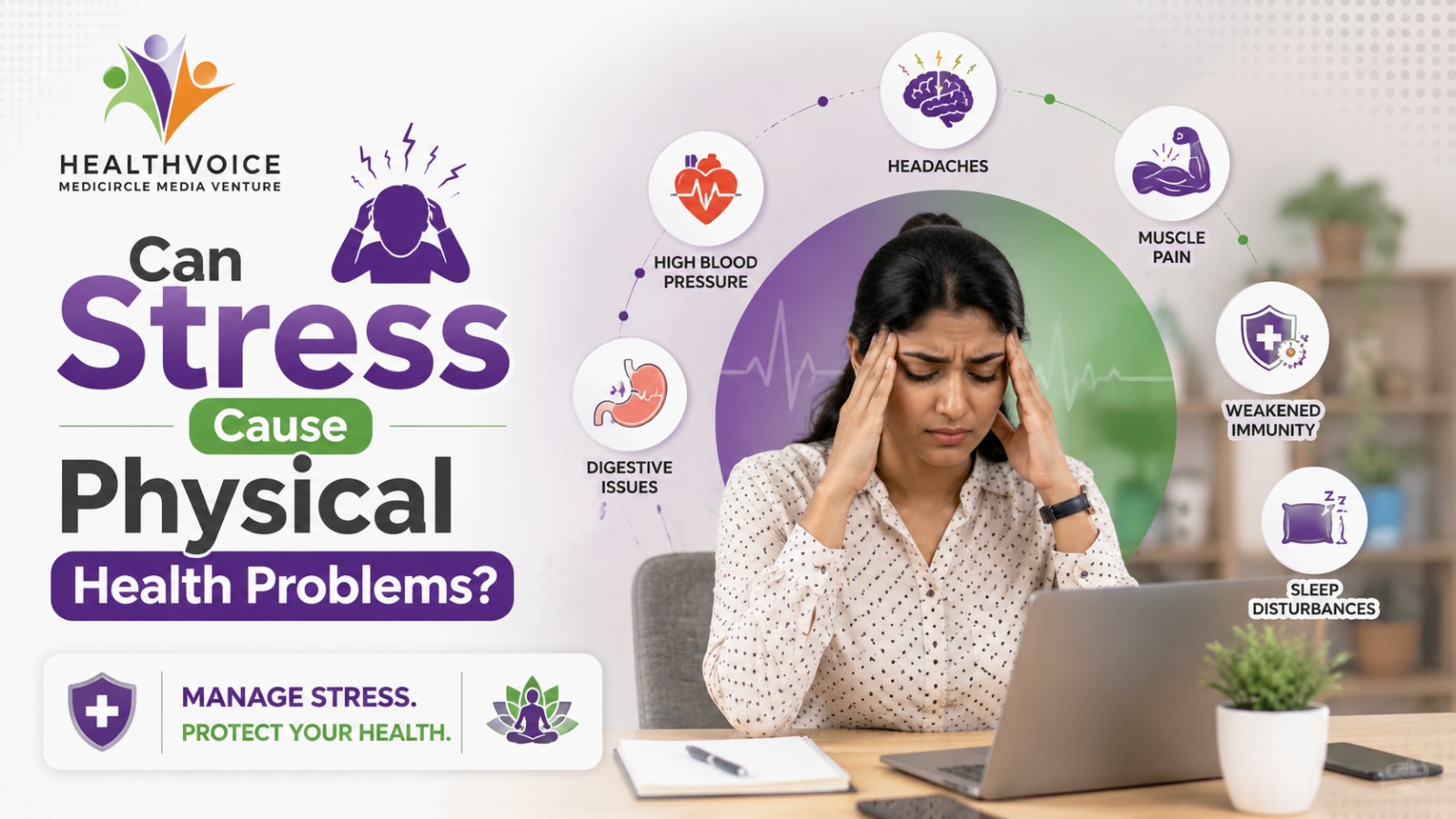
Can Stress Cause Physical Health Problems?
Stress is often treated as an emotional issue, but its effects rarely stay limited to the mind. Many people notice headaches, stomach discomfort, fatigue, sleep problems, or even sudden weight changes during stressful periods without realizing the body is reacting physically. Over time, stress causing ongoing tension can influence digestion, immunity, inflammation, and energy levels. Understanding stress and causes of stress is no longer just about mental wellness. It has become an important part of maintaining overall health, especially in fast-moving modern lifestyles where pressure has become normal rather than occasional.
Why Stress Affects the Body More Than People Realize
Stress begins as a protective response. When the brain senses pressure, uncertainty, or danger, it activates a chain reaction inside the body. Hormones like cortisol and adrenaline increase heart rate, sharpen focus, and prepare the body to respond quickly. In short bursts, this response is useful. The problem begins when stress becomes continuous.
Modern stress rarely comes from immediate physical danger. Instead, it often comes from work pressure, financial uncertainty, academic competition, digital overload, relationship strain, or constant multitasking. The body reacts to these modern triggers in the same way it would react to physical danger, even when no direct threat exists.
This is why chronic stress can lead to long-term physical symptoms. The body remains in a heightened state for too long, which gradually affects sleep quality, digestion, metabolism, and immune balance. Some people develop headaches and fatigue, while others notice digestive problems or changes in appetite. The same stress can affect different individuals in different ways because genetics, lifestyle, sleep patterns, and emotional resilience all influence how the nervous system responds.
A business owner handling nonstop responsibility may experience chest tightness and insomnia, while a student under academic pressure may develop stomach discomfort or migraines. The stress response is universal, but its physical expression is highly individual.
How Stress Changes Weight, Appetite, and Digestion
One of the most misunderstood physical effects of stress involves body weight and digestion. Many people ask, can stress cause weight loss, while others notice the opposite and gain weight during stressful periods. Both responses are possible because stress changes how the digestive and hormonal systems behave.
For some individuals, stress suppresses appetite completely. The nervous system becomes so activated that digestion slows down. Meals feel unappealing, hunger signals weaken, and the body begins using stored energy differently. This is one reason why people wonder, does stress cause loss of weight during emotionally demanding situations.
Others react differently. Stress may increase cravings for sugary or high-calorie foods because the brain seeks quick comfort and energy. Cortisol, the primary stress hormone, can increase hunger and disrupt normal eating patterns. This often leads to emotional eating, irregular meal timing, and unstable energy levels.
The digestive system is especially sensitive to emotional pressure because the gut and brain communicate constantly. This connection is sometimes called the gut-brain axis. When stress becomes prolonged, digestion may become irregular, causing symptoms like:
- Bloating and stomach discomfort after meals can increase during stressThe digestive system slows down when the body prioritizes survival mode. This affects how food moves through the stomach and intestines, leading to heaviness, gas, or irritation after eating.
- Stress may alter appetite in unpredictable ways across different peopleSome individuals lose interest in food completely, while others overeat unconsciously. These patterns are often connected to emotional regulation and hormone fluctuations rather than simple hunger.
- Sleep disruption caused by stress can indirectly affect metabolismPoor sleep changes hunger hormones and energy regulation. This creates stronger cravings, unstable appetite patterns, and greater fatigue throughout the day.
These patterns explain why stress-related weight changes rarely have a single cause. The body responds to stress as a complete system, not as isolated symptoms.
The Connection Between Stress and Inflammation
Inflammation is another area where stress quietly affects physical health. Many people search for how to reduce bodily inflammation without realizing emotional stress can contribute to it.
Inflammation itself is not always harmful. It is part of the body’s defense system. When temporary, it helps healing. The issue develops when stress keeps the inflammatory response active for long periods.
Continuous stress hormones can influence immune behavior and increase low-grade inflammation throughout the body. This may contribute to fatigue, body aches, skin flare-ups, digestive sensitivity, and slower recovery from illness. In some cases, people feel physically drained even without a visible illness because the nervous system and immune system remain overstimulated.
Lifestyle patterns connected to stress also worsen inflammation indirectly. People under pressure often sleep less, exercise inconsistently, skip meals, or rely heavily on caffeine and processed foods. These behaviors compound the body’s stress response.
Understanding how to reduce bodily inflammation therefore involves more than diet alone. It also includes restoring balance in daily routines and nervous system regulation.
Daily Habits That Quietly Increase Stress and Inflammation
- Constant digital stimulation keeps the nervous system activated longerContinuous notifications, work messages, and screen exposure reduce mental recovery time. The brain remains alert even during rest periods, which may increase physical tension and fatigue.
- Irregular sleep patterns disrupt hormonal recovery processesSleep is when the body regulates cortisol, repairs tissues, and restores immune balance. Inconsistent sleep weakens this recovery cycle and may increase stress sensitivity.
- Skipping recovery time creates long-term physical exhaustionMany high-performing individuals normalize constant pressure without realizing the body requires recovery periods to maintain balance and resilience.
These patterns show why stress management is increasingly viewed as a physical health strategy rather than only an emotional one.
Why Stress Symptoms Often Go Unnoticed in Daily Life
One reason stress-related physical problems become difficult to identify is because symptoms usually develop gradually. Most people do not suddenly feel overwhelmed physically. Instead, the body gives smaller signals over time.
A person may first experience disrupted sleep, followed by frequent headaches, digestive discomfort, low energy, or muscle tightness. Because these symptoms appear separately, they are often treated individually instead of being connected to chronic stress.
Modern lifestyles also reward overwork and constant productivity. Fatigue becomes normalized. Skipping rest becomes common. Many professionals, students, and entrepreneurs continue functioning while stressed because performance has not completely collapsed yet.
This creates a dangerous misunderstanding. Being functional does not always mean the body is healthy.
Real-life stress patterns often look subtle:
- Working late regularly while relying heavily on caffeine
- Feeling physically tired despite enough food intake
- Constantly thinking about unfinished tasks even during rest
- Losing appetite during stressful deadlines
- Feeling mentally alert but physically exhausted
Over time, these patterns may affect blood pressure, digestion, immunity, and metabolic balance. The challenge is that the body adapts temporarily before symptoms become more visible later.
How Different People Experience Physical Stress Differently
Stress responses are shaped by personality, environment, workload, emotional habits, and even cultural expectations. This is why two individuals in similar situations may experience completely different physical symptoms.
Students often experience stress physically through sleep disruption, digestive discomfort, headaches, or difficulty concentrating. Entrepreneurs and business owners may develop chronic fatigue, muscle tension, or irregular eating habits because work pressure rarely switches off completely.
Remote workers face a newer kind of stress pattern linked to isolation, screen fatigue, and blurred work-life boundaries. Many people remain mentally engaged long after working hours end because digital access removes clear stopping points.
Climate and lifestyle also matter. Busy urban environments with long commutes, irregular meals, and reduced physical movement create conditions where stress accumulates more easily. In colder climates, lower sunlight exposure and indoor lifestyles may intensify fatigue and mood imbalance during stressful periods.
The body’s response is therefore not just emotional or biological. It is heavily shaped by lifestyle patterns and environmental conditions.
Practical Ways to Reduce Stress Before It Becomes Physical
People often search for how reduce stress after symptoms become overwhelming, but the most effective strategies usually involve smaller daily adjustments before the body reaches exhaustion.
Stress reduction does not always require dramatic lifestyle changes. Small patterns repeated consistently often influence the nervous system more effectively than occasional extreme efforts.
Simple Habits That Support Physical Recovery From Stress
- Creating recovery periods during the day improves nervous system balanceShort breaks without screens, noise, or multitasking allow the brain to reset gradually. Even brief recovery moments reduce mental overload over time.
- Regular movement helps release accumulated physical tension naturallyWalking, stretching, or moderate exercise supports circulation and helps regulate stress hormones without placing additional pressure on the body.
- Consistent meal timing stabilizes energy and digestionIrregular eating patterns increase stress on metabolism and digestion. Balanced meals at predictable times support both physical and mental stability.
- Reducing overstimulation before sleep improves recovery qualityLowering screen exposure and mental stimulation before bedtime helps the body transition into deeper recovery states more effectively.
Understanding how reduce stress is ultimately about creating sustainable habits that protect long-term physical balance.
Conclusion
Stress is not only an emotional experience. It can influence digestion, sleep, weight, inflammation, energy, and overall physical health in ways that often develop gradually. Understanding stress and causes of stress helps explain why modern lifestyles can affect the body even when symptoms initially seem unrelated.
Whether someone is wondering can stress cause weight loss or searching for how to reduce bodily inflammation, the deeper answer lies in recognizing how closely the nervous system and physical health work together. Small, consistent lifestyle adjustments often play a major role in reducing long-term stress effects and improving overall well-being.
Frequently Asked Questions (FAQs)
1. Can stress really cause physical health problems?
Yes, stress can affect the body in multiple ways. Continuous nervous system activation may influence digestion, sleep, energy levels, and even inflammation. Over time, chronic stress can lead to physical symptoms because the body stays in a prolonged state of alertness. Understanding the health effects of stress helps explain why emotional pressure often turns into physical discomfort.
2. Can stress cause weight loss without trying?
Yes, many people notice appetite changes during stressful periods. This is why questions like can stress cause weight loss are very common. Stress may reduce hunger signals, disturb digestion, and increase physical tension, all of which affect metabolism. Learning how reduce stress effectively can help stabilize appetite and energy levels.
3. Why does stress affect the stomach and digestion so quickly?
The gut and brain are closely connected through the nervous system. When stress increases, digestion often slows down, leading to bloating, nausea, or stomach discomfort. This connection explains why stress causing digestive symptoms is common during emotionally demanding situations. Supporting the gut-brain balance and maintaining regular eating habits may help reduce discomfort.
4. How does stress increase inflammation in the body?
Long-term stress keeps cortisol and other stress hormones active for extended periods. This can affect immune behavior and increase low-grade inflammation over time. People searching for how to reduce bodily inflammation often overlook emotional stress as a contributing factor. Better sleep, recovery time, and balanced routines support overall inflammation management naturally.
5. What are the early physical signs of chronic stress?
Early signs may include fatigue, headaches, muscle tension, sleep disruption, digestive discomfort, or changes in appetite. Since stress and causes of stress affect people differently, symptoms may appear gradually rather than all at once. Recognizing these early patterns helps prevent long-term physical exhaustion.
6. Does stress affect sleep quality and energy levels?
Yes, stress can keep the brain mentally alert even when the body feels tired. This often leads to shallow sleep, interrupted rest, and daytime fatigue. Poor recovery increases physical tension and may worsen the effects of chronic stress on metabolism and immunity.
7. Why do some people gain weight while others lose weight during stress?
Stress affects hormones and eating patterns differently across individuals. Some people lose appetite completely, while others crave high-calorie comfort foods. This is why both does stress cause loss of weight and stress-related weight gain are possible. The body’s stress response system behaves differently depending on lifestyle, sleep, and emotional habits.
8. Can work pressure and burnout create physical symptoms?
Yes, prolonged work pressure often affects the body before people fully recognize burnout mentally. Headaches, chest tightness, digestive discomfort, and fatigue are common examples of stress causing physical strain in high-pressure environments. Supporting mental and physical recovery habits becomes essential in such situations.
9. How can daily habits help reduce physical stress symptoms?
Small routines often influence stress more than occasional major changes. Regular movement, consistent meals, reduced screen overload, and proper sleep all support nervous system recovery. People searching for how reduce stress usually benefit more from sustainable habits than temporary solutions. These practices also support healthy inflammation control naturally.
10. Can chronic stress weaken overall physical health over time?
Yes, when stress continues for long periods, the body’s recovery systems become overworked. This may affect immunity, digestion, sleep, and energy regulation. Understanding how chronic stress can lead to long-term physical imbalance helps people recognize the importance of prevention, recovery, and consistent lifestyle support.
 Team Healthvoice
#StressManagement #MentalHealthAwareness