Building a Culture Where Doctors Feel Heard
A culture where doctors feel heard strengthens patient safety, reduces burnout, and improves institutional quality, making physician voice a central priority for Indian healthcare leadership.

Building a Culture Where Doctors Feel Heard: Why It Matters for Indian Healthcare
Introduction
Across Indian hospitals, medical colleges, and healthcare institutions, there is a growing conversation that deserves serious attention: do doctors actually feel heard in the environments where they work? This is not a question about salary or infrastructure alone. It is a question about professional dignity, institutional trust, and the kind of healthcare system India is building for its future.
A doctor who feels genuinely heard is a doctor who communicates openly, raises concerns early, participates in institutional decisions, and ultimately delivers better patient care. Conversely, when doctors feel ignored, dismissed, or sidelined by administration, the consequences are significant. Burnout increases, errors become more likely, and the best medical talent begins to look for options elsewhere.
In a country where the doctor-to-population ratio continues to remain far below the World Health Organization recommended standard of 1:1000, retaining and empowering existing doctors is not just a human resource priority. It is a patient safety and public health imperative.
Understanding Physician Voice and Why It Is Often Suppressed
The term "physician voice" refers to the ability of doctors to participate meaningfully in clinical decisions, institutional policies, workload discussions, and systemic concerns without fear of professional consequence. It is one of the most fundamental components of a healthy healthcare workplace, yet in many Indian hospital settings, it remains significantly underdeveloped.
Several structural factors contribute to the suppression of physician voice in Indian healthcare:
- Hierarchical culture in medical institutions, where junior doctors are often expected to follow without questioning
- Administrative-clinical divides, where hospital management and medical staff operate in separate silos
- Fear of professional repercussions when doctors raise concerns about workload, patient safety, or institutional practices
- The absence of formal grievance or feedback mechanisms within most Indian hospitals
- An overwhelming patient load that leaves little time or energy for institutional engagement
Understanding these barriers is the first step toward dismantling them. When hospital leadership acknowledges that these structural issues exist, and commits to addressing them, the shift toward a more inclusive and physician-centered culture can genuinely begin.
Why Feeling Heard Directly Affects Clinical Outcomes
The connection between physician engagement and patient outcomes is well-documented in global medical literature. Doctors who feel respected and included in institutional decisions are more likely to report safety concerns before they escalate into incidents, adhere to quality improvement protocols, mentor junior doctors effectively, and remain committed to long-term roles within the institution.
In the Indian context, this connection carries additional weight. Many government and private hospitals operate under significant resource constraints, managing high patient volumes with limited support systems. In these environments, a doctor's ability to flag systemic issues, propose workflow improvements, or communicate clinical concerns to leadership can make a measurable difference to care quality.
Research published in medical leadership and organizational health journals consistently shows that hospitals with active physician engagement programs report lower rates of medical errors, reduced staff turnover, and higher patient satisfaction. India's healthcare sector stands to benefit enormously from embedding these principles into institutional practice.
The National Health Policy of India and the guidelines of the National Medical Commission both emphasize the importance of professional well-being and institutional ethics in healthcare delivery. A culture where doctors feel heard is not separate from these mandates. It is central to them.
Primary Challenges Facing Doctors in Indian Healthcare Institutions
To build a culture where doctors feel heard, institutions must first understand the specific challenges that doctors face in expressing their voice.
Workload and Burnout
India's public health system is under considerable strain. Government doctors in district hospitals and primary health centres often manage patient loads that far exceed safe clinical practice standards. This leaves little bandwidth for institutional engagement, professional development, or meaningful communication with administration. When doctors are exhausted, the energy required to raise concerns or participate in decision-making simply is not there.
Communication Gaps Between Doctors and Administration
In many Indian hospitals, the gap between clinical and administrative leadership is wide. Doctors often report that their feedback reaches middle management and goes no further. There is rarely a clear, direct, and trustworthy channel through which clinical concerns can be communicated to those with the authority to act on them.
Lack of Formal Recognition Systems
Indian healthcare institutions have historically lacked robust systems for recognizing and celebrating clinical excellence, research contributions, or leadership among doctors. When professional achievements go unacknowledged, the message received is that individual contributions do not matter. This erodes the motivation to engage, participate, and invest in institutional culture.
Challenges Specific to Women Doctors
Women doctors in India face a distinct set of challenges in making their voices heard. Issues related to work-life balance, gender bias in leadership appointments, and professional visibility continue to limit their participation in institutional decision-making. Building an inclusive physician culture must deliberately address these gender-specific barriers.
How Hospitals Can Build a Culture of Physician Voice
Creating a culture where doctors genuinely feel heard requires deliberate institutional commitment, structural changes, and consistent leadership behavior. The following approaches represent both global best practices and contextually appropriate strategies for Indian healthcare settings.
Establish Formal Feedback and Grievance Mechanisms
Hospitals must create structured, transparent, and safe channels through which doctors can share feedback, raise concerns, and propose improvements. This can include regular physician town halls, anonymous feedback systems, clinical advisory councils, and direct communication pathways to hospital leadership. The key is that these channels must be genuinely responsive. If doctors share concerns and see no action, trust is lost quickly.
Include Doctors in Strategic Decision-Making
Physician input should be treated as a foundational element of institutional strategy, not an afterthought. When hospitals are designing new departments, restructuring workflows, updating clinical protocols, or planning capacity expansions, doctors who work in those areas should be part of the conversation from the beginning. This is not just ethically sound. It also produces better institutional decisions.
Invest in Leadership Development for Clinicians
Many doctors in India receive no formal training in leadership, communication, or institutional management. Healthcare organizations should invest in physician leadership programs that prepare doctors to engage confidently with administration, lead multidisciplinary teams, and contribute to systemic quality improvement. NABH accreditation standards increasingly recognize institutional leadership development as a component of quality healthcare delivery.
Create Peer Support and Community Systems
Doctors benefit from professional communities where they can share experiences, discuss challenges, seek mentorship, and build collaborative relationships. Medical associations, hospital-based peer support groups, and digital platforms dedicated to physician engagement all serve this function. When doctors are connected to a professional community, they are less likely to feel isolated and more likely to speak up constructively.
Celebrate Physician Contributions Publicly
Recognition matters deeply. Hospitals and healthcare institutions should create consistent mechanisms for publicly acknowledging clinical excellence, research contributions, community health impact, and professional leadership among doctors. Whether through institutional awards, published profiles, or community forums, visible recognition reinforces the message that physician voices and achievements are valued.
The Role of Medical Associations and Digital Communities
In the Indian healthcare ecosystem, medical associations have historically served as important vehicles for collective physician voice. Bodies such as the Indian Medical Association, state medical councils, and specialty associations have played a role in advocating for the professional interests of doctors and communicating collective concerns to health policy stakeholders.
However, in recent years, the landscape has shifted. Digital platforms, online medical communities, and doctor-focused media have emerged as powerful new spaces where physician voice can be amplified beyond institutional boundaries. These platforms allow doctors to share clinical knowledge, engage in professional debates, build reputations, and collectively advocate for systemic improvements in Indian healthcare.
This evolution is significant. A doctor who has a credible professional presence online, who participates in respected medical communities, and who is recognized by peers is a doctor whose voice carries weight inside and outside the institution. Building physician visibility and voice through professional digital platforms is now an important component of healthcare community development in India.
Connecting Physician Voice to Healthcare Leadership and Patient Safety
There is a direct and well-established link between environments where doctors feel heard and the quality of patient safety culture in those institutions. When doctors feel psychologically safe to report errors, near-misses, and systemic concerns without fear of blame, institutions can learn and improve. When they do not feel safe, problems are concealed, patterns go unaddressed, and preventable harm occurs.
Patient safety frameworks used by internationally recognized accreditation bodies place psychological safety and open communication among clinical staff at the center of safety culture assessment. In India, as NABH accreditation becomes more widely pursued by private and public hospitals, understanding the connection between physician engagement and patient safety culture becomes increasingly relevant for institutional leaders.
Healthcare quality improvement in India must therefore be understood not only as a technical or procedural challenge but as a cultural and leadership challenge. The question of whether doctors feel heard is, ultimately, a question of whether Indian hospitals are safe, accountable, and genuinely committed to improving care for patients.
Conclusion
Building a culture where doctors feel heard is one of the most impactful investments a healthcare institution can make. It affects physician well-being, clinical quality, patient safety, and institutional resilience. For Indian hospitals, medical associations, and healthcare leaders, this is not a peripheral concern. It is central to building a healthcare system that is worthy of the trust placed in it by millions of patients across the country.
The path forward requires deliberate action: formal feedback channels, inclusive leadership practices, physician recognition systems, strong professional communities, and a genuine commitment to treating physician voice as an institutional asset rather than a management inconvenience. Platforms and communities dedicated to amplifying doctor voice, enabling peer engagement, and supporting professional visibility have a meaningful role to play in this broader cultural shift.
When doctors feel heard, patients are safer, institutions are stronger, and Indian healthcare moves closer to the standards it is capable of achieving.
Frequently Asked Questions
Q1: Why do doctors in India often feel unheard in their workplace?
Doctors in India frequently report feeling unheard due to hierarchical workplace cultures, limited formal feedback mechanisms, administrative-clinical communication gaps, and overwhelming patient loads that leave little time for institutional engagement. Many hospitals do not have structured channels through which doctors can raise concerns safely and expect meaningful responses.
Q2: How does physician voice affect patient safety in Indian hospitals?
When doctors feel psychologically safe to speak up about clinical concerns, errors, and systemic issues, hospitals are better positioned to identify and correct problems before they harm patients. Institutions with strong physician engagement cultures consistently report better patient safety outcomes, fewer adverse events, and more effective quality improvement programs.
Q3: What steps can hospital administrators take to make doctors feel more included in decision-making?
Hospital administrators can start by creating formal, confidential feedback systems, including doctors in policy and strategy discussions, establishing clinical advisory committees, investing in physician leadership development, and ensuring that concerns raised by doctors are acknowledged and acted upon transparently.
Q4: What role do medical associations play in supporting physician voice in India?
Medical associations serve as collective advocacy bodies that represent the professional interests of doctors, communicate concerns to health regulators and policymakers, and create community spaces for peer engagement. Organizations such as the Indian Medical Association and various state and specialty bodies have historically been important channels for organized physician voice in India.
Q5: How can digital platforms help amplify the voice of doctors in India?
Digital platforms and doctor-focused professional communities allow physicians to share clinical knowledge, engage with peers across geographic boundaries, build professional visibility, and participate in broader healthcare conversations. These platforms supplement institutional channels and give individual doctors a credible professional presence that strengthens their voice both within and beyond their institutions.
Resources
- World Health Organization (WHO): Global recommendations on health workforce well-being, physician engagement, and patient safety culture
- National Medical Commission (NMC): Regulatory guidelines and professional ethics frameworks for medical practice in India
- National Accreditation Board for Hospitals and Healthcare Providers (NABH): Standards for quality healthcare delivery and institutional leadership in Indian hospitals
- Indian Council of Medical Research (ICMR): Research publications on healthcare workforce challenges, burnout, and clinical quality in India
- Ministry of Health and Family Welfare (MoHFW): National Health Policy frameworks and government health system improvement initiatives
Interlinking Keywords
physician burnout India, doctor well-being in hospitals, healthcare leadership India, physician engagement strategies, NABH accreditation standards, medical association India, patient safety culture, doctor feedback systems, healthcare workplace culture, hospital quality improvement India, medical community platforms, clinical leadership development
Last reviewed by:
Dr. Manthan Tripathi, HealthVoice Editorial and Medical Advisory Team, October 13, 2026.
Disclaimer
This article is intended for informational and professional awareness purposes only. It does not constitute clinical advice, institutional policy guidance, or legal counsel. Readers are advised to consult qualified healthcare administrators, legal advisors, or relevant regulatory authorities for decisions specific to their institutional context.
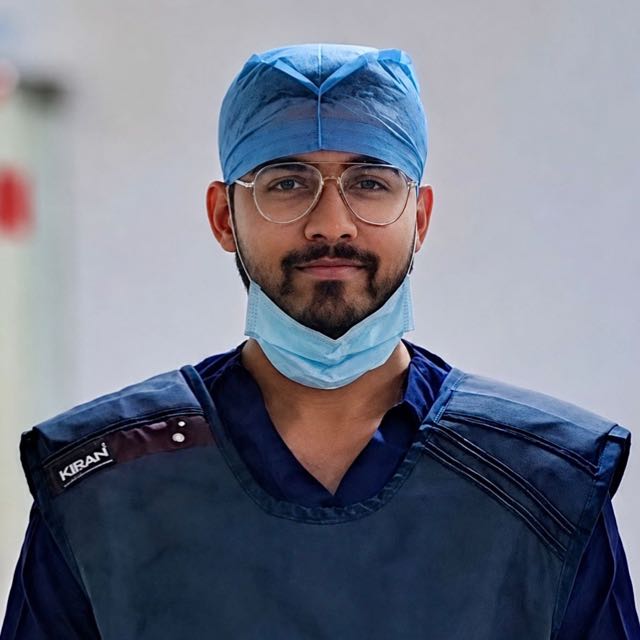 Dr. Manthan Tripathi
#DoctorEngagement #HealthcareWorkCulture