Building Stronger Medical Association Networks in India
Strong state and national medical association networks in India drive better policy advocacy, doctor engagement, and healthcare outcomes through structured coordination and meaningful digital communication.
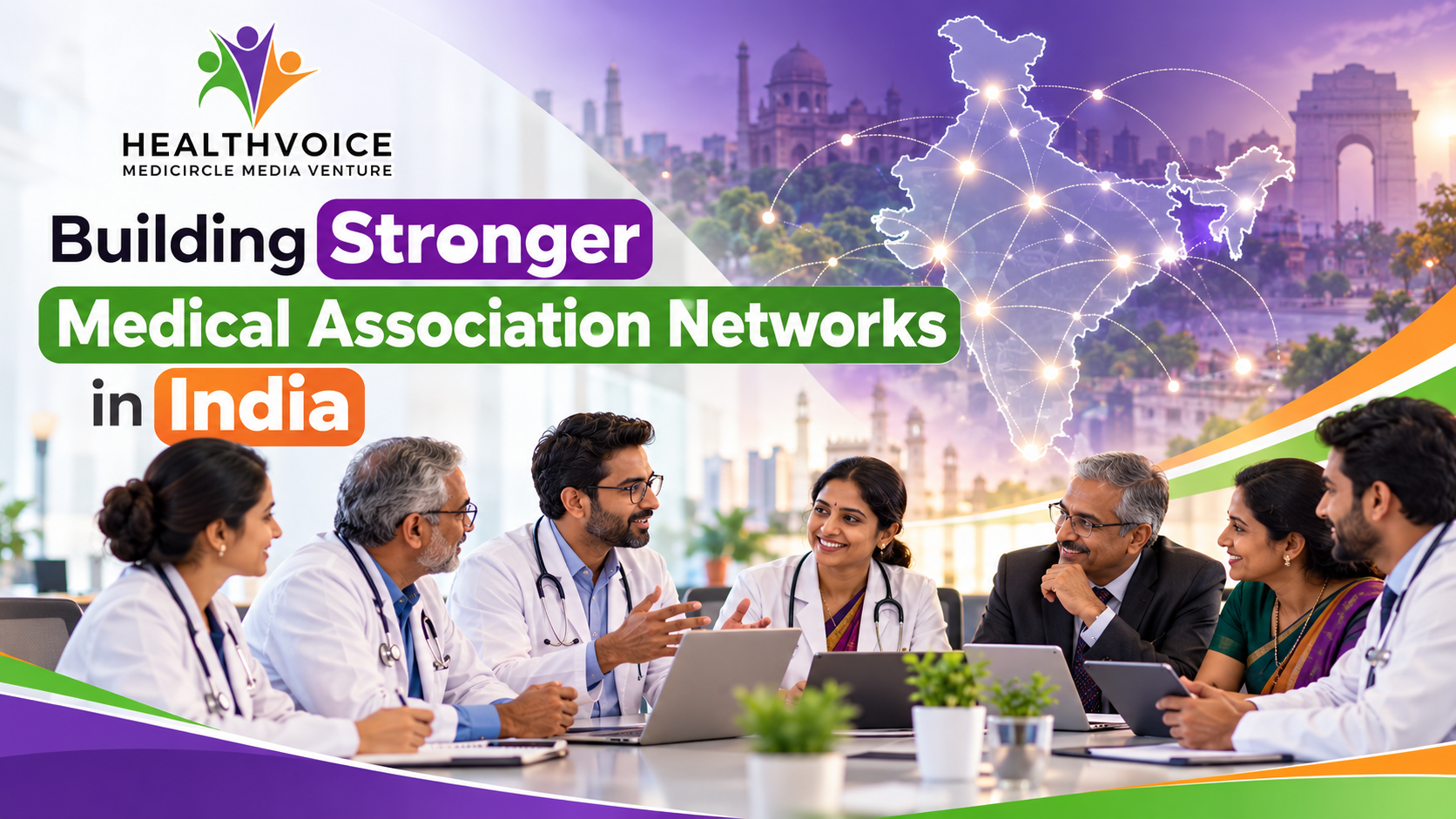
Building Stronger State and National Medical Association Networks in India
Introduction
Medical associations are among the most important pillars of a functional and respected healthcare system. They serve as the collective voice of doctors, the guardians of medical ethics, and the organized force behind healthcare policy change. In India, where the healthcare landscape is vast, diverse, and rapidly evolving, the need for well-connected, well-organized, and well-respected medical association networks has never been greater.
From the Indian Medical Association with its thousands of state and local branches to specialty-focused bodies such as the Association of Physicians of India, Cardiological Society of India, and the Indian Academy of Pediatrics, the country has an impressive ecosystem of professional organizations. Yet, many of these associations continue to struggle with fragmented communication, low member engagement, weak digital presence, and limited coordination between state and national chapters.
Strengthening these networks is not simply an organizational goal. It is a professional and public health priority that affects how doctors are heard, how healthcare policies are shaped, and how the medical community responds to national challenges.
Understanding the Current State of Medical Associations in India
India has over 1.3 million registered allopathic doctors regulated by the National Medical Commission, along with hundreds of thousands of practitioners in Ayurveda, Homeopathy, and other systems registered under respective councils. Despite this massive professional base, organized association membership and active participation remain inconsistent across states and specialties.
Several challenges limit the strength of association networks in India today.
The first is geographic fragmentation. India has 28 states and 8 union territories, each with its own state medical associations, specialty chapters, and regional bodies. Coordination between these entities and the national headquarters is often informal, sporadic, and dependent on individual relationships rather than structured systems.
The second challenge is a generational communication gap. While senior doctors have traditionally engaged with associations through physical meetings, conferences, and printed journals, younger doctors prefer digital engagement, mobile-first communication, and quick access to professional updates. Associations that have not adapted to this reality are losing the attention and participation of a large segment of their own membership.
The third challenge is limited visibility and perceived value. Many doctors, especially those in Tier 2 and Tier 3 cities, do not feel that association membership offers them direct professional or career benefits. Without visible value, membership renewal rates drop and engagement stagnates.
Why Stronger Networks Matter for Indian Healthcare
The importance of a well-connected medical association network goes far beyond professional gatherings and conference schedules. Strong networks have a measurable impact on healthcare policy, professional welfare, and public health outcomes.
When state and national associations communicate regularly and act cohesively, they are able to represent doctors more effectively in front of government bodies, legislative committees, and healthcare regulators. Policies under the National Medical Commission Act, amendments to the Clinical Establishments Act, and discussions around the National Health Policy all require organized, evidence-based advocacy from the medical community. Fragmented associations are unable to present a unified position, and their voices carry less weight in policy discussions.
Strong networks also support better clinical outcomes. When associations invest in continuing medical education, peer learning platforms, and clinical guideline dissemination, doctors across India gain access to updated, evidence-based practices. This is especially critical in states with limited access to tertiary care infrastructure or low doctor-to-population ratios.
Additionally, well-networked associations serve as a first line of institutional support during healthcare crises. During the COVID-19 pandemic, associations that had strong communication systems and active member bases were able to mobilize resources, share real-time clinical guidance, and support doctors in ways that disorganized or inactive associations simply could not.
Key Strategies for Building Stronger Association Networks
Rebuilding and strengthening medical association networks in India requires deliberate strategy, modern tools, and a genuine commitment to serving members rather than managing them.
Investing in Digital Infrastructure and Communication
One of the most impactful changes associations can make is to build a strong, consistent, and professional digital presence. This means more than maintaining a website. It requires active engagement through digital newsletters, webinars, member portals, mobile applications, and platforms designed specifically for medical professionals.
When associations communicate consistently through digital channels, members stay informed about policy changes, CME opportunities, election updates, and advocacy campaigns. Regular communication builds a sense of community and belonging, which is the foundation of long-term engagement.
Creating Structured State-to-National Coordination Mechanisms
One of the most persistent weaknesses in Indian medical association networks is the informal nature of state-to-national coordination. Many state associations function almost independently, with limited regular interaction with national leadership. This creates duplication of effort, inconsistent messaging, and missed opportunities for collective action.
Associations should establish formal coordination structures that include:
- Regular quarterly meetings between state presidents and national leadership
- Shared digital dashboards for membership data, event calendars, and policy updates
- Designated liaison officers at the state level responsible for two-way communication
- Joint task forces for major national healthcare issues
These structures do not require large budgets. They require political will, organizational discipline, and a shared belief that a connected association is more powerful than a collection of independent chapters.
Prioritizing Young Doctor Engagement
The future of any professional organization lies in its ability to attract and retain its next generation of members. For medical associations in India, this means creating meaningful entry points for resident doctors, postgraduate students, and early-career physicians.
Young doctors are looking for mentorship, professional visibility, career guidance, networking opportunities, and a platform to raise concerns that are specific to their generation. Associations that create dedicated young doctors wings, youth leadership programs, and digital-first engagement channels will be better positioned to build lasting loyalty among doctors who will carry the organization forward.
Focusing on Advocacy That Members Can See and Feel
Doctors continue to face serious challenges related to medicolegal threats, workplace violence, service conditions in both public and private sectors, and the psychological toll of professional burnout. Associations that visibly and actively advocate on these issues create a direct, emotional connection with their membership.
When a state association successfully negotiates better working conditions for government doctors, secures legal support for a member facing unjust litigation, or leads a successful campaign for stronger patient safety policies, every member notices. This kind of visible advocacy is the most powerful membership retention and recruitment tool any association can have.
Leveraging Healthcare Communication Platforms
Dedicated healthcare communication platforms are changing how medical associations operate in India and globally. Rather than relying solely on annual conferences and printed bulletins, associations can now use purpose-built platforms to publish updates, share expert opinion, recognize member achievements, promote events, and facilitate peer-to-peer discussions.
Platforms like HealthVoice are built specifically for this purpose. They offer medical associations a trusted digital space to amplify their voice, engage members across geographies, and build a professional community presence that works continuously rather than only during conference season. For associations looking to strengthen their digital identity and member communication, such platforms represent a meaningful and practical step forward.
The Role of Specialty Associations in the Broader Network
National medical associations and specialty bodies must also invest in stronger horizontal networks between each other. In India, specialty associations often operate in relative isolation from the broader medical community. A cardiologist may be deeply engaged with the Cardiological Society of India but have little connection with the broader IMA network or with specialists in adjacent fields such as diabetology or nephrology.
Cross-specialty collaboration is increasingly important in a healthcare environment defined by complex, multi-system diseases. Building stronger horizontal networks between specialty associations, general practitioner bodies, and national platforms allows the medical community to present a more integrated, authoritative voice on issues that cut across disciplines.
Conclusion
India's medical associations have the institutional foundation, the professional legitimacy, and the membership base to become among the most influential professional networks in the country. What many lack is the structural coherence, the digital infrastructure, and the member-first orientation needed to translate that potential into real impact.
Building stronger state and national medical association networks is not simply about organizational efficiency. It is about ensuring that the medical community has a strong, unified, and credible voice in shaping the future of Indian healthcare. It is about making every doctor feel that their association is genuinely working for them and with them, not just managing them as a membership number.
As India continues to navigate ambitious healthcare reforms, the quality of its medical association networks will have a direct bearing on how effectively doctors can contribute to, participate in, and benefit from those reforms. The time to invest in that strength is now.
Frequently Asked Questions
Q1: Why are strong medical association networks important in India?
Strong medical association networks allow doctors to collectively advocate for better healthcare policies, protect professional rights, share clinical knowledge, and improve healthcare delivery across India. A connected network ensures that the medical community speaks with a unified and credible voice in front of policymakers and regulators.
Q2: How can state medical associations connect better with national bodies?
State associations can connect with national bodies through structured digital communication systems, regular joint meetings, shared data infrastructure, and designated liaison officers who coordinate policy discussions and membership matters. Formal coordination mechanisms replace the informal, personality-dependent connections that currently limit effectiveness.
Q3: What role does digital communication play in medical association networking?
Digital platforms enable real-time communication, member engagement, event promotion, knowledge sharing, and policy dissemination. They help associations remain relevant and active between physical meetings, reaching members across geographies and at all stages of their careers.
Q4: How can medical associations increase doctor membership and participation?
Associations can improve membership and participation by offering visible, tangible professional benefits such as CME credits, legal support, mentorship programs, and digital visibility. Members who feel genuinely heard and represented are far more likely to remain engaged and renew their participation year after year.
Q5: What is the role of HealthVoice in strengthening medical association networks?
HealthVoice provides medical associations with a trusted, doctor-first digital platform to engage members, publish professional updates, promote events, and build a stronger community presence across India. It serves as a dedicated communication bridge between associations, doctors, and the broader healthcare ecosystem.
Resources
- National Medical Commission (NMC): The statutory body governing medical education and registration of allopathic doctors in India, providing regulatory guidance relevant to all medical associations.
- Indian Medical Association (IMA): The largest voluntary organization of doctors in India, with state branches and local chapters across the country.
- World Medical Association (WMA): An international organization representing national medical associations globally, offering guidance on professional ethics and physician welfare.
- Ministry of Health and Family Welfare, Government of India: The central government body overseeing national health policy, schemes, and regulatory frameworks affecting the medical community.
- HealthVoice: A doctor-focused healthcare community platform that helps medical associations build digital engagement, member visibility, and professional communication across India.
Interlinking Keywords
Medical association India, state medical associations, national medical bodies India, IMA network, doctor professional association, NMC India, medical community engagement, healthcare policy advocacy India, continuing medical education India, HealthVoice medical platform, doctor networking India, specialty medical associations, young doctors association, medical leadership India, healthcare professional community
Last reviewed by:
Dr. Manthan Tripathi, HealthVoice Editorial and Medical Advisory Team, October 5, 2026.
Disclaimer
This article is intended for informational and professional awareness purposes only. It reflects perspectives on medical association leadership, organizational development, and healthcare community engagement. It does not constitute legal, regulatory, or clinical advice. Readers should consult the relevant medical association bodies, regulatory authorities, or legal advisors for guidance on specific organizational or professional matters. HealthVoice does not represent or officially speak on behalf of any medical association or regulatory body mentioned in this article.
 Dr. Manthan Tripathi
#MedicalAssociations #HealthcareNetworks #DoctorCollaboration #HealthcareLeadership